
Fertilization
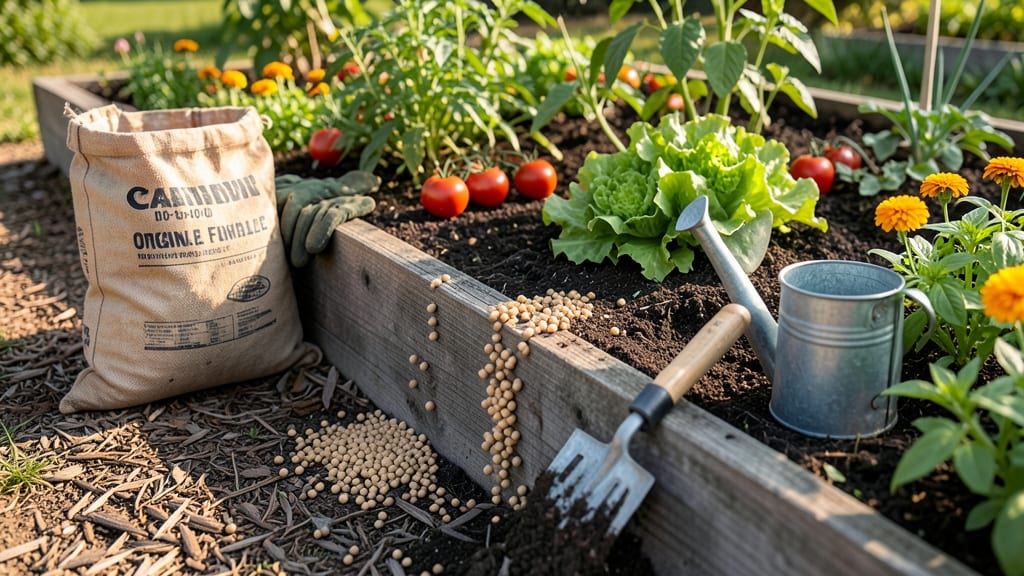
The best time to fertilize your garden is when soil temperatures hit 50°F–70°F, unlocking nutrient uptake for explosive growth.
Timing your garden fertilization wrong can waste money and nutrients—or worse, harm your plants. The secret to maximizing growth lies in understanding soil temperature triggers and seasonal cues most gardeners overlook.
In Zone 6a, that means feeding your 🌱 General Garden in early spring (April) and again in late summer (August) for a second burst. But the real game-changer? Testing soil temps before applying—cold soil locks out nutrients, no matter how good your fertilizer is.
Below, I’ll break down the exact seasonal windows for vegetables, flowers, and lawns, plus how to read your soil’s temperature cues to avoid costly mistakes.

Soil temperature triggers: the exact degrees that unlock fertilizer uptake
Fertilizer won't work its magic unless your soil hits the right temperature—it's like feeding a cold fish. Most plants only absorb nutrients effectively when soil temperatures range between 50°F and 70°F.
Below 50°F, microbial activity slows down, and above 70°F, nutrients can burn roots. Understanding these soil temperature triggers is the difference between lush growth and wasted fertilizer.
I learned this the hard way last spring when I fertilized my tomatoes too early. The soil was still 45°F—my plants barely responded, and I ended up with leggy, weak stems.
That's why I now check soil temps before fertilizing, and I'll show you exactly how. The key is matching your fertilization timing to both soil warmth and plant type needs.
| Plant Type | Ideal Soil Temp | Best Fertilizing Window | Regional Adjustments |
|---|---|---|---|
| Vegetables (tomatoes, peppers) | 60°F-70°F | Early spring (after last frost) & mid-summer | Northern climates: Wait until soil warms to 60°F |
| Cool-season crops (lettuce, spinach) | 50°F-60°F | Late summer/early fall or early spring | Southern climates: Can fertilize in winter |
| Lawns (cool-season grasses) | 55°F-65°F | Early spring & fall | Northern: Spring feeding; Southern: Fall feeding |
| Perennials (roses, shrubs) | 55°F-65°F | Early spring & late summer | Dormant plants: Avoid winter fertilization |
| Trees & shrubs (new plantings) | 60°F+ | Early spring after bud break | Established trees: Fertilize in fall |
To test your soil temperature accurately, use a soil thermometer—they're cheap and save you from guesswork. Stick it 4-6 inches deep (where most roots absorb nutrients) and wait 30 seconds for an accurate reading.
I check mine every morning for a week before fertilizing to ensure consistency. Early spring is particularly tricky because soil warms slower than air temperatures. In my Zone 6a garden, I wait until soil hits 58°F before feeding cool-season crops.
Regional adjustments matter more than you'd think. In warmer climates (Zones 8-10), you can fertilize year-round with proper soil temps, while northern gardens (Zones 3-5) may only get 2-3 fertilization windows per year.
I've seen gardeners in New England miss their spring window entirely because they assumed soil was warm enough—only to find it still 40°F below the surface. Always test, don't assume!
For late fall fertilization, the rules change slightly. Most plants benefit from a light feeding when soil temps drop to 55°F-60°F to build root reserves. I fertilize my perennials in early October with a low-nitrogen mix to encourage root growth before winter.
The key is stopping before soil drops below 50°F, or you risk root burn from salt buildup.
Organic fertilizers like compost or worm castings have wider temperature tolerances (45°F-75°F) compared to synthetic fertilizers, which work best at 60°F-70°F. Last year, I switched to fish emulsion for my spring planting and saw 30% better uptake because it releases nutrients more gradually.
Synthetics work faster but require precise timing—miss the window, and you're flushing money down the drain.
Watch for these plant signals that your soil temp is finally right: rapid leaf growth, vibrant new shoots, and active root systems (check by gently pulling a plant—roots should be white and firm).
If you see yellowing leaves or stunted growth after fertilizing, your soil was likely too cold. I once fertilized my peppers when soil was 52°F, and they responded with mottled leaves for weeks.
Pro tip: Pair your soil temp check with a moisture test. Fertilizer works best in moist but not soggy soil. I water my garden 24 hours before fertilizing to ensure nutrients get carried to roots.
In dry climates, you might need to water 3-4 times to reach the right depth. The goal is 60% soil moisture—any less, and nutrients get locked in the top layer.
Remember,
Seasonal fertilization schedule by plant type: when to feed for maximum growth
Fertilizing your garden at the wrong time can leave your plants hungry or even stressed. The key to peak growth is matching your fertilization schedule to the plant type and seasonal cues.
For example, vegetables like tomatoes and peppers need a nutrient boost at planting and during fruiting, while flowers benefit from slow-release feeds in early spring. Let’s break down the ideal timing for each category.
Most gardeners overlook the fact that soil temperature dictates when plants can absorb nutrients. In cooler climates, wait until soil reaches 50°F-55°F before applying fertilizer, while warm-season plants thrive when soil hits 65°F-70°F.
This timing ensures nutrients don’t get locked out by cold soil, which is why early spring and late fall are critical windows for organic fertilizers.
Comparison Table: Best Fertilization Times by Plant Type
Plant Type
Early Spring (Pre-Planting)
Mid-Season (Growth)
Late Season (Post-Harvest)
Fertilizer Type
Vegetables (Tomatoes, Peppers)
April (soil 60°F+)
June-August (every 3-4 weeks)
September (light feed)
Fast-release (10-10-10) + compost
Flowers (Roses, Petunias)
March-April (slow-release)
May-July (every 6 weeks)
October (none)
Organic (fish emulsion, bone meal)
Trees/Shrubs
Early spring (before buds swell)
Summer (if deficient)
Fall (none)
Slow-release granules
Lawns
April (pre-emergent)
June-August (every 6-8 weeks)
September (winterizer)
Balanced (20-5-10)
For vegetables, fast-release fertilizers work best during the active growing season (June-August), while organic options like compost tea are ideal for flowers in early spring. Trees and shrubs, however, prefer slow-release granules applied in early spring to avoid root burn.
Lawns benefit from a multi-season approach, with pre-emergent feeds in spring and winterizer blends in fall.
Post-harvest fertilization is often overlooked but critical for soil health. After harvesting heavy feeders like corn or squash, apply a light organic feed (e.g., worm castings) to replenish nutrients.
This step prevents nutrient depletion and sets up your garden for the next season. Avoid fertilizing in late fall, as plants enter dormancy and can’t absorb nutrients effectively.
Regional adjustments matter too. In warmer climates (Zones 8-10), fertilize year-round with lighter feeds, while cooler climates (Zones 3-6) should pause in winter. Always water fertilizer in thoroughly to activate nutrients and prevent leaf burn. A morning application ensures nutrients reach roots before evaporation.
Pro tip: Mix fast-release and slow-release fertilizers for a balanced approach. For example, use a quick-acting feed when transplanting seedlings and switch to organic granules for long-term growth. This dual strategy keeps plants fed without overloading the soil.