
Pests and Diseases
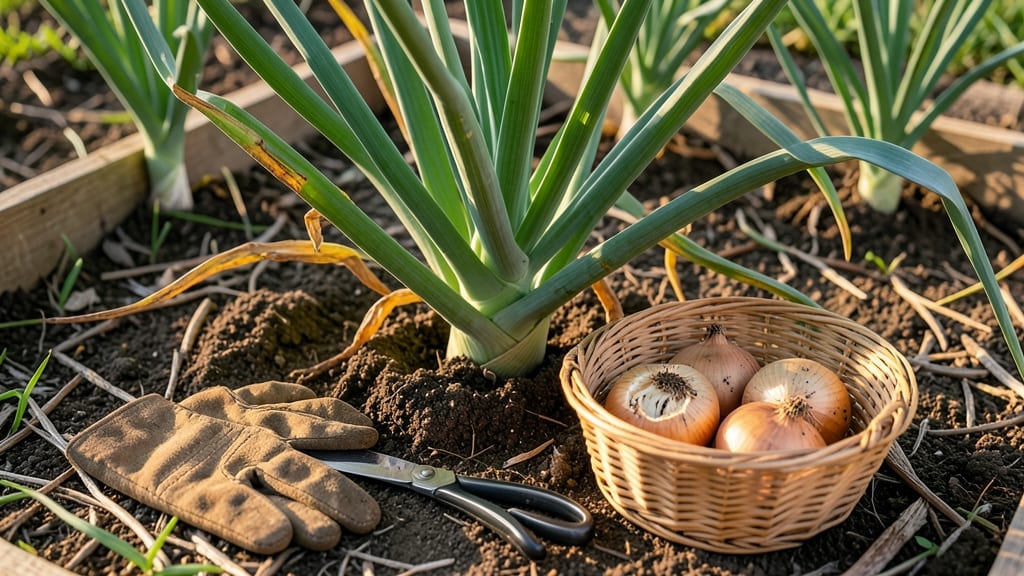
Harvesting onions at the right time ensures sweet, flavorful bulbs that store well—late summer through early fall is when onion harvest season hits its peak.
Picture this: you’ve nurtured your 🧅 for months, and now the tops are yellowing and flopping over. That’s not a sign of failure—it’s your cue to pull them before they turn bitter or sprout. Timing is everything, and missing this window means sacrificing both taste and storage life.
Whether you’re in USDA Zone 6a or further south, the key is watching for three clear signs: bulbs reaching 1-2 inches in diameter, tops drying out, and a papery neck. Skip these cues, and you risk onions that split, rot, or lose their sweetness.
Below, I’ll break down the exact months to watch, how climate affects your harvest, and the simple steps to cure and store your onions for months—so you can enjoy homegrown flavor long after the garden fades.


Onion harvest season timeline: months and climate-based guidelines
Timing your onion harvest correctly ensures you get the sweetest, most flavorful bulbs that store well for months. Unlike many vegetables, onions mature over a wide window, and their harvest time depends on variety type, planting season, and your local climate zone.
Miss the window, and you risk bitter, pungent onions that won’t keep. Let’s break down the exact months and conditions for your region.
Onions are classified into three main types based on daylight requirements: short-day, long-day, and intermediate-day. Each type has a distinct maturity timeline that aligns with your USDA hardiness zone.
For example, short-day onions thrive in southern climates (Zones 3-7) and mature quickly, while long-day onions need cooler northern summers (Zones 4-9) to develop properly. Even within these categories, spring vs. fall planting shifts harvest windows by 3-4 months.
Here’s the critical harvest season breakdown by onion type and planting season, tailored to common USDA zones. Use this as your monthly calendar guide to avoid missing peak harvest.
If you’re in USDA Zone 5 or colder, focus on long-day varieties planted in early spring for a late-summer harvest (August-September). In Zones 8-10, you can plant short-day onions twice a year—once in early spring and again in late summer—for harvests in June-July and October-November, respectively.
This dual-planting strategy ensures a steady supply year-round.
For intermediate-day onions, like the popular Yellow Granex, aim for a spring planting in
5 Clear signs your onions are ready for harvesting
Harvesting onions at the right time ensures sweet, flavorful bulbs that store well. Over-mature onions become tough and bitter, while underripe ones won’t develop proper flavor. The key is watching for these 5 visual and tactile cues that signal perfect harvest timing.
First, focus on the top growth of your onions. Healthy green tops indicate active growth, but when they start changing color, it’s time to pay closer attention. Yellowing tops are the first clear sign that your onions are nearing maturity and ready to be pulled.
-
1. Tops Yellow and Fall Over
When 50-60% of tops turn yellow and flop, bulbs are ready. -
2. Bulb Diameter Reaches 1-2 Inches
Measure at soil level—smaller bulbs lack flavor. -
3. Papery Skin Forms at Neck
Dry, crinkly skin indicates moisture is moving into the bulb. -
4. Roots Detach Easily When Pulled
Gently tug—roots should slip free without resistance. -
5. Skin Resists Gentle Pressure
Press a bulb—firm skin means it’s harvest-ready.
Don’t wait until the tops turn completely brown—this means your onions have over-matured. The ideal moment is when half the tops yellow and the bulbs feel firm. For storage onions, harvest when the necks begin drying out, while green onions can be pulled anytime before flowering.
To test for doneness, dig up one onion and examine its neck and skin. If the neck feels dry and papery, and the skin resists gentle pressure, it’s ready. Underripe onions will have soft skin and green tops, while overripe ones may sprout or develop hollow centers.
For long-day onions (like Yellowstone or Sweet Spanish), harvest in late summer (August-September), while short-day varieties (like Texas Early White) mature earlier. Always harvest on a dry, sunny day to prevent disease and ensure proper curing.
Once you’ve confirmed readiness, use a sharp knife or fork to loosen soil around the bulb before pulling gently. Leave roots attached to help the bulb dry properly during curing—this step is critical for storage life and flavor development.