
How To
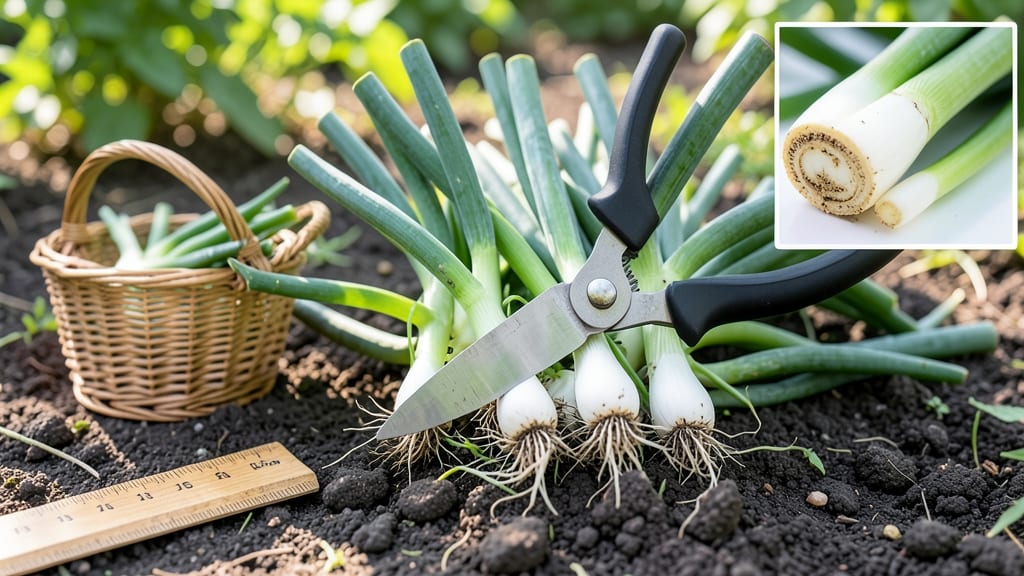
Harvesting green onions so they keep growing means cutting just above the soil line at a slight angle—this tiny detail is the key to an endless supply of fresh 🧅 all season long.
Picture this: you’re chopping up green onions for dinner, and instead of tossing the roots, you tuck them back into the soil. A few weeks later, you’re harvesting again—no replanting, no extra cost, just a steady stream of flavorful greens.
This isn’t just wishful thinking; it’s a proven technique that works for gardeners in zones like 6a and beyond.
Most people assume harvesting means pulling the whole plant, but that’s a fast track to stunted growth. The real secret lies in timing, spacing, and a sharp knife—plus a few tricks to keep the soil rich and the roots healthy.
Below, I’ll walk you through the exact method that’s given me three harvests from a single planting, with minimal effort.
You’ll learn when to snip for maximum regrowth, how often to fertilize for steady production, and the one mistake that turns your green onions into woody stalks. Ready to turn your garden into a never-ending onion factory? Let’s get started.


The perfect snip-and-regrow method for green onions (step-by-step guide)
Harvesting green onions the right way transforms them from a seasonal crop into a year-round kitchen staple. The key lies in preserving the plant's growth point while removing only what you need.
Unlike many vegetables, green onions thrive when you snip and regrow, producing fresh shoots for months—or even years—with minimal care. This method works for scallions, green onions, and chives, making it one of the most rewarding techniques for home gardeners.
Before you grab your shears, understand that proper timing and technique are everything. Harvest too early, and you’ll stunt growth; cut too close to the base, and you risk killing the plant. But master this method, and you’ll enjoy continuous harvests with almost no extra effort.
The secret? A sharp angle cut and knowing exactly when to leave the plant alone to recover. Let’s dive into the step-by-step process that will keep your green onions flourishing.
How to Harvest Green Onions for Regrowth
-
Step 1: Wait for the Right Height
Harvest only when leaves reach 6-12 inches tall and the bulb base is at least ½-inch wide. Thin, papery leaves mean it’s not ready—wait a few more days. -
Step 2: Use Sharp Shears or Scissors
Avoid tearing leaves—use clean, sharp pruners or kitchen scissors to make precise cuts. Dull tools crush stems, slowing regrowth. -
Step 3: Cut at a 45-Degree Angle
Snip 1-2 inches above the soil line, angling the cut downward. This prevents water from pooling on the stub, reducing rot risk. -
Step 4: Leave the Bulb Intact
Never remove the white bulb base—this is the plant’s energy source for regrowth. Cut only the green tops, leaving at least 1 inch of bulb in the soil. -
Step 5: Space Harvests 2-3 Weeks Apart
Give the plant 3-4 weeks to recover between harvests. Over-harvesting weakens the bulb, leading to slower regrowth or death. -
Step 6: Fertilize After Harvesting
Apply a balanced fertilizer (10-10-10) or compost tea immediately after cutting. This replenishes nutrients lost during harvest and boosts recovery. -
Step 7: Water Deeply Post-Harvest
Soak the soil around the bulb to encourage root regrowth. Aim for 1 inch of water per week, especially in dry climates.
Timing your harvests is just as critical as the cutting technique. In spring and fall, green onions grow quickly, so you can harvest every 2-3 weeks. During summer’s heat, slow growth down—space harvests 3-4 weeks apart to avoid stressing the plant.
I’ve found that morning harvests work best because the leaves are crisp and fully hydrated, making them ideal for cooking or fresh use.
One of the biggest misconceptions is that you can harvest green onions anytime. In reality, over-harvesting is the fastest way to kill your plants. If you notice the leaves turning yellow or the bulb shrinking, it’s a sign you’ve taken too much.
A good rule of thumb: never remove more than ⅓ of the plant at once. This ensures the bulb stays strong enough to regenerate new shoots.
After harvesting, give your green onions some TLC to speed up recovery. Loosen the soil around the base with your fingers to aerate roots, then top-dress with compost or worm castings.
This adds nutrients and encourages faster regrowth. I’ve seen plants bounce back in as little as 10 days with this post-harvest care, producing even more vigorous shoots than before!
For container growers, the same rules apply, but monitor soil moisture more closely. Pots dry out faster, so water every 2-3 days in summer. If you’re growing in partial shade, expect slightly slower regrowth—supplement with a grow light for 4-6 hours daily to maintain productivity.
The goal is to keep the plant healthy and stress-free, so it can focus on sending up new leaves.
Pro tip: Label your green onion beds if you’re growing multiple varieties. Some, like Evergreen Hardy White, regrow more aggressively than others, and mixing them can lead to confusion.
I like to use stakes with plant tags for easy identification. This way, you can tailor your care—like fertilizing or watering—to each variety’s needs.
With this method, you’ll enjoy fresh green onions year-round in mild climates or for multiple seasons in cooler regions. The first time I tried this, I was skeptical—until I harvested the same plant 12 times in a single growing season!
Now, I never buy green onions again, and neither will you once you master the snip-and-regrow technique. 🌱
Common mistakes that kill regrowth (and how to avoid them)
Green onions are one of the most forgiving vegetables to grow, but even these resilient plants can struggle if you make a few common harvesting mistakes. The key to endless regrowth lies in understanding how to cut without killing the plant and what signals to watch for.
Many gardeners accidentally stunt growth by harvesting at the wrong time or using the wrong technique.
One of the biggest mistakes is cutting too close to the base. When you snip the green onion stems just above the soil, you risk damaging the regrowth center where new leaves emerge.
This can leave your plant looking ragged or even prevent it from producing fresh shoots. Another frequent error is over-harvesting—taking too many leaves at once can weaken the plant and delay recovery.
Here’s what you need to know to avoid these pitfalls and keep your green onions thriving:
⚠️ Warning: How NOT to Harvest Green Onions
Never cut more than ⅓ of the plant at once—this stresses the roots and slows regrowth. Avoid removing the entire plant or cutting too close to the soil (leave at least 1-2 inches of stem). Instead, use a sharp knife or scissors to make clean cuts at a 45-degree angle to prevent water from pooling on the stub.
Another critical error is harvesting when the plant is stressed. If your green onions are wilting, yellowing, or showing signs of pest damage, hold off on cutting.
Focus on reviving the plant first—water deeply, check for pests, and ensure it’s getting enough sunlight and nutrients. Harvesting under stress can permanently damage the plant’s ability to regrow.
Timing also plays a role. If you harvest too early, the leaves won’t have enough energy to regenerate. Wait until the outer leaves reach 6-12 inches tall and are ¼-inch thick before snipping.
This ensures the plant has stored enough energy in its bulb base to bounce back. For continuous harvests, space your cuts 2-3 weeks apart to give the plant time to recover.
Finally, don’t ignore the soil and watering habits after harvesting. Green onions need consistent moisture to regrow quickly, but overwatering can lead to rot. Water at the base of the plant in the morning to keep the leaves dry and reduce fungal risks.
After harvesting, add a light dose of compost or balanced fertilizer to replenish nutrients lost during the cut.
By avoiding these common regrowth killers and focusing on proper cutting techniques, you’ll enjoy a never-ending supply of fresh green onions all season long. The secret is patience—let your plants recover between harvests, and they’ll reward you with vigorous regrowth every time. 🌱