
Advice
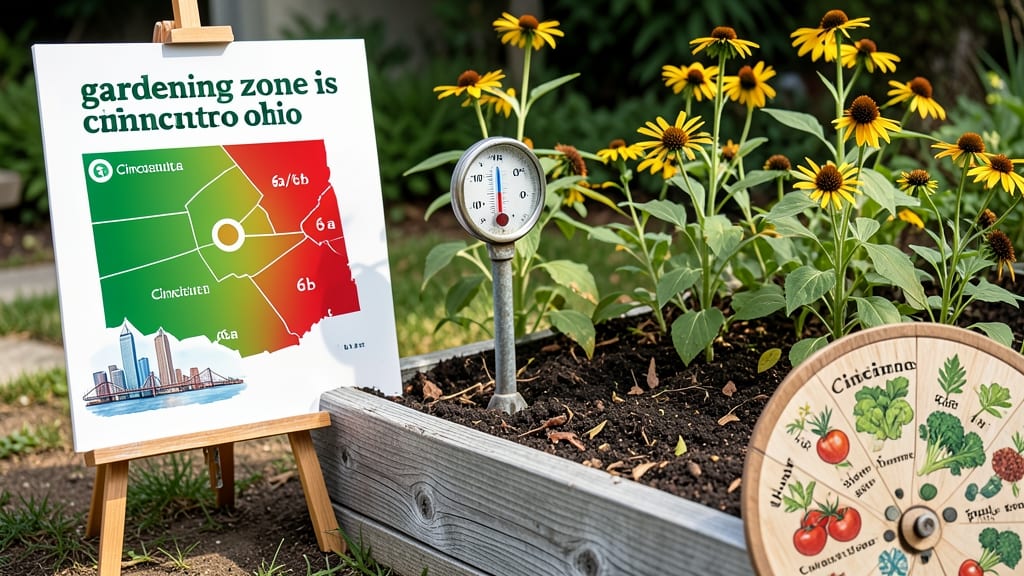
What gardening zone is Cincinnati, Ohio? The city sits squarely in USDA Plant Hardiness Zones 6a-6b, where last frost dates and summer heat shape what you can grow—and when.
If you’ve ever picked up frost-bitten tomatoes or watched your tender perennials wilt in a late spring chill, you know how much the zone matters. A Zone 6a-6b garden means cooler winters and hot summers, but also a short but critical planting window that demands precision.
Understanding your zone isn’t just about picking the right plants—it’s about timing. Too early, and a late frost ruins your efforts; too late, and summer’s heat arrives before your veggies mature.
Below, I’ll break down how to use this zone to plan your spring planting schedule, choose cold-hardy varieties, and even extend your growing season with smart tricks.
Ready to stop guessing and start growing with confidence? Let’s dive into the key dates, plants, and strategies that make Cincinnati gardens thrive.
How to identify Cincinnati’s USDA Zone 6a-6b and what it means for planting
Cincinnati’s USDA Zone 6a-6b classification determines which plants thrive in your garden year-round. The USDA Plant Hardiness Zone Map divides North America into 13 zones based on average annual minimum temperatures, helping gardeners select cold-hardy plants.
Cincinnati’s Zone 6a (-10°F to -5°F) and Zone 6b (-5°F to 0°F) mean you can grow a wide variety of perennials, shrubs, and even some cold-tolerant vegetables.
Understanding your zone ensures you avoid frost damage to tender plants and optimizes your planting schedule. For example, Zone 6b (warmer microclimates) may support slightly later plantings than Zone 6a.
The key is knowing your last average frost date (April 15–May 1) and first frost date (October 15–November 1) to time plantings correctly.
Here’s how Cincinnati’s climate breaks down in a summary table to help you plan:
| Climate Factor | Zone 6a | Zone 6b | Key Notes |
|---|---|---|---|
| Average Min Winter Temp | -10°F to -5°F | -5°F to 0°F | Critical for perennial survival |
| Last Frost Date | April 15 | May 1 | Wait until after this date for frost-sensitive plants |
| First Frost Date | October 15 | November 1 | Plan to harvest or protect plants before frost |
| Frost-Free Days | 180–200 days | 200–220 days | Longer growing season in Zone 6b |
| Annual Rainfall | 36–40 inches | 36–40 inches | Consistent moisture supports lush gardens |
| Summer Highs | 85°F–90°F | 85°F–90°F | Heat-tolerant plants thrive here |
Your USDA zone directly impacts which perennials will return year after year. For instance, black-eyed Susans and daylilies thrive in Zone 6a-6b, while roses may need winter protection.
Annuals like marigolds and zinnias are safe to plant after your last frost, but tomatoes and peppers need to wait until soil warms to 60°F.
Vegetables are another critical category. Cold-hardy greens like kale and spinach can be planted in early spring or fall, while warm-season crops like corn and beans should only go in after May 15. Use your zone to extend your harvest by succession planting or using row covers for early starts.
Microclimates in Cincinnati—like urban heat islands or shaded yards—can shift your effective zone slightly. A south-facing wall might create a Zone 7 microclimate, allowing you to grow tender perennials like fuchsias successfully. Always monitor your local weather and adjust plant choices accordingly.
If you’re new to gardening in Cincinnati, start with native plants like butterfly weed or Virginia bluebells, which are already adapted to your zone’s temperature swings and soil conditions. These low-maintenance options build confidence while teaching you how your zone behaves.
Pro tip: Use a garden journal to track your frost dates over 3–5 years. Cincinnati’s climate can shift slightly year to year, and your notes will help refine your planting timeline for future seasons.
Even a 5-day delay in frost can mean the difference between a thriving garden and a failed crop.
Finally, leverage Cincinnati’s community gardens and local nurseries for zone-specific advice. They often host
Best plants for Cincinnati’s Zone 6a-6b: a seasonal planting calendar
Cincinnati’s Zone 6a-6b climate offers a perfect balance for gardeners—cool winters and warm summers that support a diverse range of plants. Whether you’re growing cold-hardy vegetables, ornamental perennials, or native trees, timing is everything.
Zone 6a (average lows of -10°F) and 6b (lows of 0°F) share many plants, but a few varieties thrive better in one zone over the other.
Spring planting begins after your last frost date (typically April 15–May 1), while fall crops like kale and spinach can handle light frosts. Perennials like lavender and coneflowers establish roots early, while trees like redbud and serviceberry reward patience with stunning spring blooms and fruit.
Top 5 Cold-Resistant Plants for Cincinnati Gardens
- 1. Winter Spinach – Thrives in Zone 6a-6b with 50+ days of cool weather. Harvest leaves before bolting in spring.
- 2. Purple Coneflower (Echinacea) – A perennial that blooms from summer to fall, attracting pollinators. Drought-tolerant once established.
- 3. Eastern Redbud (Cercis canadensis) – A native tree with pink spring blooms and Zone 6a hardiness. Plant in full sun for best growth.
- 4. Russian Sage (Perovskia) – Drought-resistant shrub with lavender-blue flowers. Ideal for Zone 6b’s hotter summers.
- 5. Garlic (Hardneck Varieties) – Plant in fall (October) for a spring harvest. Survives Zone 6a winters with mulch protection.
For spring planting, focus on cool-season crops like peas, lettuce, and radishes (Zone 6a-6b friendly). In summer, switch to tomatoes, peppers, and beans, but use row covers for heat-sensitive varieties.
Fall is prime for broccoli, carrots, and kale, which sweeten after frost.
Zone 6a gardeners should prioritize extra mulch for perennials like hostas and heucheras, while Zone 6b can push the limits with daylilies and black-eyed Susans. Both zones benefit from native plants like serviceberry and butterfly weed, which require minimal care and support local ecosystems.
Pro tip: Use season extenders like cold frames for Zone 6a to protect tender greens, or shade cloth in Zone 6b to shield summer crops from intense heat. Adjust your schedule by 1–2 weeks if your microclimate runs warmer or cooler than average.
By aligning your planting calendar with Cincinnati’s Zone 6a-6b specifics, you’ll enjoy a longer harvest season and healthier plants year-round. Start with these cold-resistant stars, and your garden will thrive! 🌱