
Vegetables
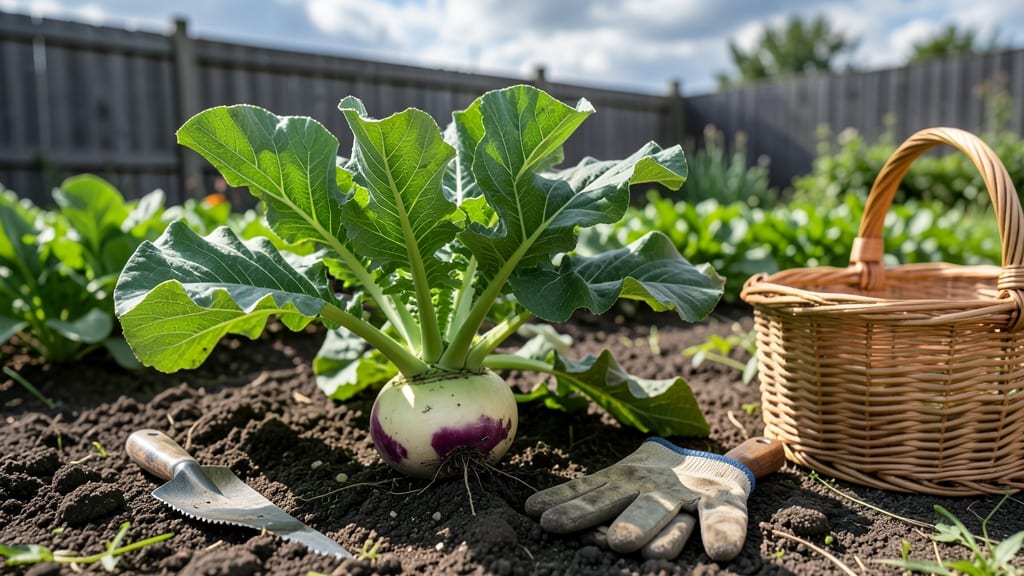
Harvesting turnips at the right time means the difference between a tender, sweet root and a tough, pithy mess—so timing is everything.
Picture this: you’ve nurtured your 🥕 turnips all spring, watching them grow from tiny sprouts to plump roots, only to pull one that’s hollow or bitter. That’s the cost of waiting too long, and it happens more often than you’d think.
The key is knowing when the leaves start yellowing and the roots reach 1–3 inches in diameter—before they get woody. In Zone 6a, that’s usually June–July for spring plantings and October–November for fall crops, but soil temperature and rainfall can shift that window.
In this guide, I’ll walk you through the exact visual cues (leaf color, root firmness) and regional tweaks to nail perfect harvest timing—plus how to avoid the three mistakes that turn great turnips into garden flops.

When to harvest turnips: leaf color and root size cues for perfect maturity
Timing your turnip harvest correctly ensures you enjoy crisp, sweet roots and tender greens at their peak. Unlike many vegetables, turnips offer dual harvest opportunities—you can pull the entire plant or harvest just the greens while leaving the root to mature further.
But knowing when to make that call is everything.
For most varieties, turnips reach harvest readiness between 30 to 70 days after planting, depending on whether you're growing them for roots or greens. Spring-planted turnips often mature faster than fall varieties, thanks to cooler temperatures.
The key lies in watching for three critical visual cues: leaf color changes, root size, and skin firmness.
| Harvest Indicator | Spring Turnips (30-50 days) | Fall Turnips (50-70 days) | Action Required |
|---|---|---|---|
| Root Size | 1-2 inches diameter | 2-3 inches diameter | Harvest roots when firm |
| Leaf Color | Dull green to yellowing | Bright green to yellowing | Harvest greens when leaves yellow |
| Skin Texture | Firm but smooth | Firm with slight ridging | Avoid woody or cracked skin |
| Plant Height | 6-10 inches | 10-12 inches | Taller plants need sooner harvest |
Start by checking the root diameter. For spring turnips, aim for roots between 1 to 2 inches in diameter—any larger, and they risk becoming woody. Fall varieties can tolerate slightly bigger roots (2 to 3 inches) since cooler temperatures slow their growth.
Use your thumb to gently press the root; it should feel firm but not hard.
Next, examine the leaf color. Healthy turnip greens start bright green but gradually shift to a duller green or yellowish hue as they mature. If the outer leaves begin yellowing while the inner leaves remain vibrant, it's time to harvest.
For greens-only harvests, snip the outer leaves when they reach 6-12 inches tall, leaving the inner leaves to keep growing.
Seasonal variations play a huge role. Spring turnips often mature faster due to cooler soil temperatures, while fall turnips benefit from longer daylight hours, allowing them to develop larger roots.
In warmer climates, turnips may bolt (flower) prematurely, so prioritize harvesting when you spot the first signs of yellowing leaves—this prevents bitterness.
Don't overlook the skin texture as a final check. A perfectly mature turnip has smooth, taut skin that resists gentle pressure. If the skin feels spongy or cracks easily, the turnip has passed its prime.
Over-mature roots develop a tough, fibrous texture and often split open, making them less palatable. For storage, leave a 1-inch stem attached to the root to prevent drying.
Pro tip: Harvest turnips on a cool, overcast day to minimize stress on the plant. Pull roots gently by hand or use a garden fork to avoid damaging nearby plants.
If you're growing turnips for both roots and greens, prioritize harvesting the greens first—they mature faster and can be harvested multiple times per plant.
Remember, turnips store best in cool, humid conditions (around 32-40°F). After harvest, trim the greens and store them separately from the roots. Roots will keep for 2-3 weeks in the fridge, while greens last about 1 week when wrapped in a damp paper towel.
Missing the harvest window? Don't worry—turnips are forgiving if harvested slightly early. Just avoid waiting until the leaves turn completely brown or the roots develop a hollow core. With these cues, you'll never guess again—just watch, wait, and harvest at the perfect moment! 🥕
Turnip harvest mistakes: how to avoid over-mature roots and bitter greens
Even experienced gardeners sometimes struggle with turnip harvest timing, leading to roots that become woody and tough or greens that turn bitter and stringy. The most common mistake? Waiting too long to harvest, assuming bigger always means better.
In reality, over-mature turnips lose their sweetness and develop a harsh texture, making them unpalatable. I’ve learned the hard way that timing is everything—especially when dealing with fast-growing varieties like ‘Purple Top White Globe’ or ‘Tokyo Cross.’
Another frequent error is ignoring leaf discoloration as a harvest cue. Many gardeners focus solely on root size, but the leaves tell a critical story. Yellowing or wilting foliage signals that the plant is redirecting energy to seed production, which directly impacts root quality.
If you’ve ever bitten into a bitter turnip and wondered why, the answer likely lies in delayed harvests. Let’s fix these mistakes before your next planting season.
⚠️ callout warning ⚠️
🚨 3 Critical Turnip Harvest Mistakes to Avoid
- Ignoring leaf yellowing: Leaves turning yellow or brown means the root is over-mature and woody.
- Harvesting too late: Roots left in the ground beyond 50-70 days become tough and pithy.
- Skipping soil checks: Poor drainage or compacted soil causes deformed, bitter roots.
💡 Pro Tip: Harvest turnips when roots are 1-3 inches wide and leaves show early yellowing (not full browning).
One of the biggest culprits behind hollow or pithy turnips is improper soil conditions. Turnips thrive in loose, well-draining soil rich in organic matter. If your garden soil is clay-heavy or compacted, roots struggle to develop properly, leading to internal cavities.
I once grew turnips in a backyard with heavy clay soil, and the results were disappointing—small, misshapen roots with bitter flavors. The fix? Amend your soil with compost or sand before planting to improve drainage and aeration.
Another common oversight is harvesting greens at the wrong time. While turnip greens are edible and nutritious, they become bitter and fibrous when left too long on the plant. For the best flavor, harvest greens when they’re 6-12 inches tall and still tender.
If you’re growing turnips for both roots and greens, prioritize the greens first—they mature faster and won’t compete with the roots for nutrients. This dual-harvest strategy ensures you get the best of both without sacrificing quality.
For troubleshooting tough or woody turnips, start by examining the root’s texture. A properly harvested turnip should feel firm but not hard when squeezed gently. If it’s rock-hard or hollow inside, it’s past its prime.
In my garden, I’ve found that consistent moisture is key—turnips need 1 inch of water per week, but avoid waterlogging, which can cause rot. Mulching around plants helps maintain even moisture and prevents soil crusting, which can stifle root growth.
Finally, don’t overlook the role of variety selection in harvest success. Some turnips, like ‘Hakurei’, are bred for early harvest and stay tender longer, while others, like ‘Golden Ball’, mature faster but require quicker attention.
Always check the seed packet for days to maturity and adjust your harvest timeline accordingly. With the right variety and vigilant monitoring, you’ll avoid the pitfalls of over-mature turnips and enjoy crisp, sweet roots all season.
🌱