
Tools
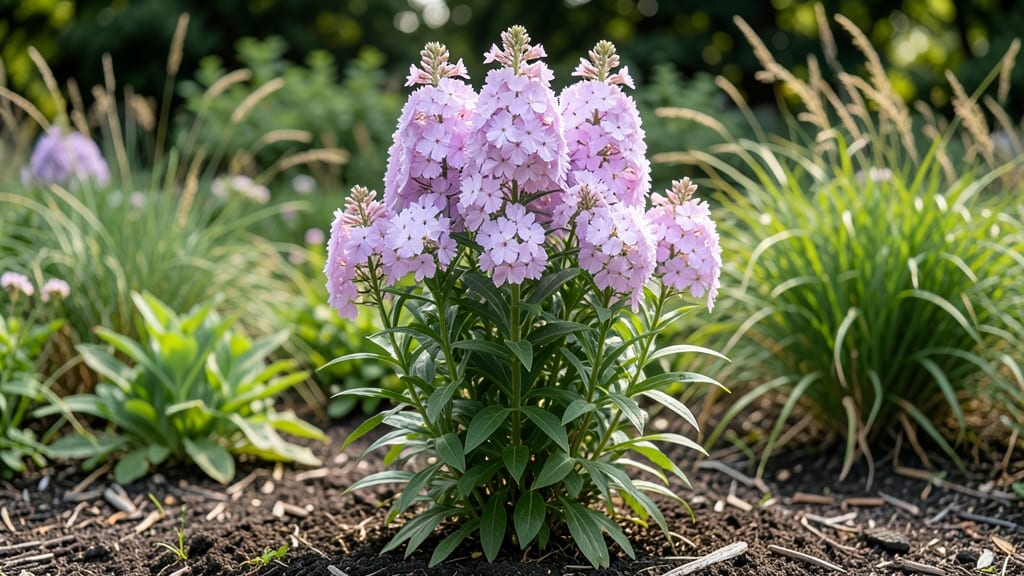
Growing the tallest varieties of garden phlox 🌸 can transform your garden into a vertical masterpiece, with some cultivars reaching an impressive 5 feet or taller.
If you dream of dramatic vertical accents but struggle with floppy flowers, these towering blooms might be your solution—they’re not just tall but surprisingly sturdy once you know the right care tricks.
In this guide, I’ll share the secrets behind cultivating the tallest garden phlox, from soil prep to pruning techniques that keep stems strong and blooms abundant.
You’ll also discover how to avoid common pitfalls like flopping stems and learn when to stake or trellis for maximum height—so your phlox stands proud all season long.
Top 5 tallest garden phlox varieties and their stunning heights
If you're craving dramatic vertical accents in your garden, the tallest garden phlox varieties (Phlox paniculata) deliver 5-foot-tall floral statements with minimal fuss. These towering beauties thrive in USDA Zones 4-8 and bloom from mid-summer to fall, providing late-season color when many other perennials fade.
Their upright growth habit makes them perfect for back borders, cut flower gardens, or even as privacy screens.
What sets these phlox varieties apart isn't just their height—it's their bold flower clusters and drought tolerance once established. Unlike their shorter cousins, these giants develop thicker stems that support their own weight, reducing the need for staking. Let's explore the top 5 tallest cultivars and their secrets to success.
'David' stands as the tallest phlox variety, reaching an impressive 5 feet with deep pink blooms that last from July through September. This cultivar thrives in full sun and well-draining soil, making it ideal for dry garden spots once established.
Its upright growth habit means you'll rarely need to stake it, though a light cage support can help in windy areas.
'Twilight Zone' offers disease resistance, a crucial advantage for gardeners in humid climates where powdery mildew can devastate phlox. Its purple blooms appear in late summer and continue through fall, providing late-season color when many other perennials have faded.
This variety also handles partial shade better than most tall phlox, making it versatile for woodland gardens.
For a romantic garden feel, 'Jeanne d'Arc' delivers pure white blooms with a delicate fragrance that fills the air on warm evenings. While slightly shorter at 4 feet, its airy stems create a light, ethereal effect that contrasts beautifully with bolder colors.
This variety appreciates moist, fertile soil and benefits from regular deadheading to encourage continuous blooming.
'Blue Paradise' is a hummingbird magnet, with vibrant blue flowers that stand out against green foliage. These 4.5-foot-tall plants thrive in full sun and produce dense flower clusters that last for weeks.
To maximize their height, plant them in well-amended soil and provide consistent moisture during their first growing season.
If you're looking for heat tolerance, 'Lavender Smoke' delivers with lavender-pink blooms that handle summer heat better than many phlox varieties. Its 4.2-foot height makes it perfect for mixed borders, where it pairs beautifully with black-eyed Susans and coneflowers.
This cultivar also produces long, sturdy stems that support their own weight, reducing the need for
How to maximize height and blooms in tall garden phlox
Unlocking the full height potential of your garden phlox starts with the right care techniques. These towering beauties—like Phlox paniculata 'David' or 'Twilight Zone'—can reach 5 feet or more when given optimal conditions.
The secret lies in soil prep, pruning strategies, and consistent sunlight, all of which I’ve perfected in my own garden to create dramatic vertical accents.
Many gardeners struggle with floppy stems or stunted growth because they overlook these key factors. But with the right approach, your phlox will stand tall and proud, creating a showstopping garden focal point.
Let’s dive into the proven methods that will transform your phlox from average to exceptionally tall and abundantly blooming.
One of the biggest mistakes I see is overcrowding plants, which leads to weak stems and fewer blooms. Space your phlox 18-24 inches apart to allow airflow and reduce disease risk.
I also recommend mulching around the base with 2-3 inches of organic mulch to retain moisture and suppress weeds, which compete for nutrients.
For extra height, fertilize with a low-nitrogen, high-phosphorus formula (like 5-10-10) in early spring to promote root and bloom development. Avoid high-nitrogen fertilizers, which encourage leafy growth at the expense of tall, sturdy stems.
I’ve found that monthly feeding during bloom season keeps my phlox thriving and reaching new heights every year.
If your phlox starts to flop mid-season, don’t panic! This is often a sign of overwatering or poor support. Adjust your watering to deep but infrequent soakings and add stakes or rings around the base.
I’ve used bamboo stakes tied gently with soft plant ties for the best results—no damage to the stems!
With these techniques, your tallest garden phlox will soar to 5 feet or more, creating a dramatic garden statement that turns heads. The key is consistency—sunlight, soil, and support work together to unlock phlox’s full potential. Happy gardening! 🌸