
Tools
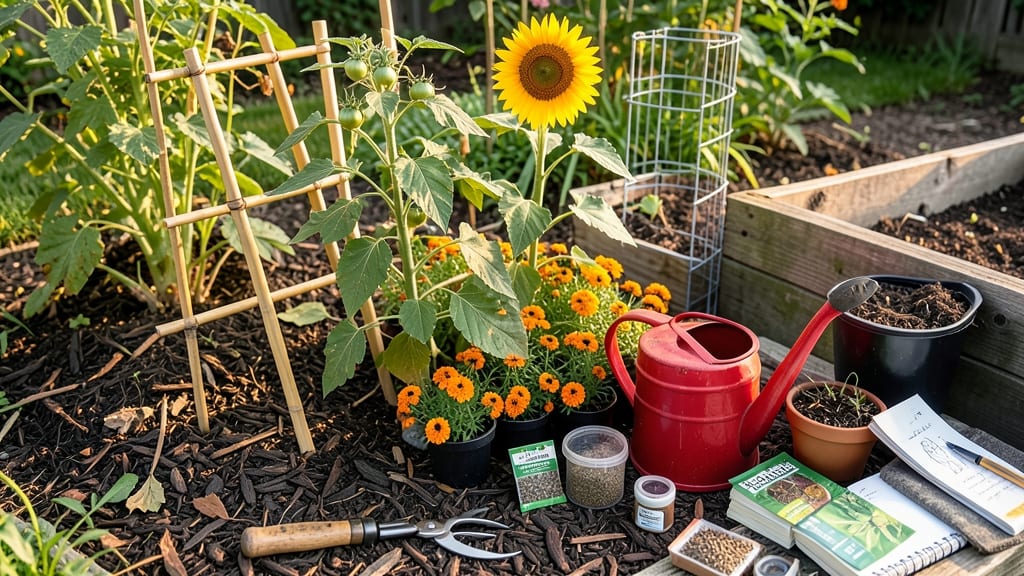
Following the right steps for gardening is the difference between a thriving plot and a pile of wilting disappointment — and the good news is, you don’t need a green thumb to get it right.
Picture this: You’ve spent hours digging, planting, and dreaming of a garden that looks like a postcard, only to watch your seedlings stretch toward the light like they’re reaching for salvation. That’s where a structured plan saves the day — because gardening isn’t just about throwing seeds in the dirt.
It’s about knowing when to prep the soil, which plants play well together, and how to keep them alive through the hottest summer days or the first frost.
Whether you’re working with a sunlit backyard or a windowsill indoors, the key is breaking it down into simple, seasonal steps.
We’ll cover everything from soil prep to harvest time, so you can skip the guesswork and focus on the rewarding part: watching your 🌱 General Gardening Steps come to life.
By the end, you’ll have a checklist that works for your climate, a toolkit for every task, and the confidence to troubleshoot when things don’t go as planned. Ready to turn dirt into dinner? Let’s get started.
Seasonal gardening steps: a month-by-month checklist for beginners
Gardening success hinges on understanding your local climate and adjusting tasks accordingly. In temperate zones, spring awakens your garden, while tropical regions may see year-round growth.
Cold climates demand extra winter prep. By following this seasonal checklist, you’ll stay ahead of pests, weather shifts, and plant life cycles—no guesswork required.
Start by testing your soil pH and adjusting it with lime or sulfur if needed. Most vegetables thrive in 6.0-7.0 pH, while blueberries prefer 4.5-5.5. Amend your soil with compost or aged manure to boost nutrients. This foundational step prevents poor growth before you even plant!
Use this seasonal summary to track tasks month-by-month, with climate-specific notes for temperate, tropical, and cold regions. Adjust timing based on your last frost date—typically late April in Zone 6a, but earlier in warmer areas.
| Season | Temperate Zones | Tropical Regions | Cold Regions |
|---|---|---|---|
| Spring (Mar-May) | Test soil, plant cool-season crops (Mar), transplant seedlings (Apr-May) | Sow heat-tolerant seeds (Mar-Apr), mulch to retain moisture | Start seeds indoors (Feb), harden off (May), protect from late frosts |
| Summer (Jun-Aug) | Water deeply (Jun-Jul), fertilize (Jul), harvest regularly | Plant shade-loving crops, increase watering frequency | Mulch heavily, watch for pests, extend season with row covers |
| Fall (Sep-Nov) | Plant garlic/onions (Oct), harvest remaining crops, add compost | Sow winter greens, prune perennials, protect from storms | Plant cold-hardy crops (Sep), cover soil with mulch |
| Winter (Dec-Feb) | Plan next year’s garden, prune dormant trees, protect tender plants | Minimal care—focus on weeding and light pruning | Insulate plants, store tools, check for winter damage |
In spring, focus on soil prep and planting cool-season crops like lettuce or peas. For tropical climates, prioritize shade-loving plants during peak heat. In cold regions, start seeds indoors 6-8 weeks before your last frost date to ensure timely outdoor planting.
Summer demands consistent watering—aim for 1 inch per week—and vigilance against pests. Use mulch to retain moisture and suppress weeds. In tropical areas, afternoon shade cloth can protect delicate plants from intense sun. For cold climates, extend the season with row covers or cold frames.
Fall is prime time for soil enrichment. Add compost or leaf mold and plant garlic or onions for next year’s harvest. In tropical zones, focus on winter greens like kale or spinach. Cold regions should cover soil with straw mulch to insulate roots during frost.
Winter isn’t a break—it’s prep time. Plan your planting layout, sharpen tools, and protect tender perennials with burlap wraps. In tropical climates, minimal care is needed, but weeding prevents springtime competition. For cold climates, store tools properly and check for winter damage to structures like trellises.
Pro tip: Keep a gardening journal to track what thrives (or fails) each season. Note plant varieties, soil conditions, and pest issues—this becomes your roadmap for future success. Adjust your checklist yearly based on these observations!
Remember, gardening is flexible. If your local microclimate differs from general guidelines, trust your observations. A shady spot might grow lush ferns where others fail—embrace what works for your space. Happy growing!
Critical mistakes to avoid when following gardening steps
Even with the best intentions, many gardeners make avoidable mistakes that stunt plant growth or waste time. I’ve learned the hard way that skipping soil testing or ignoring local frost dates can turn a promising garden into a disappointment.
These common errors often happen because we rush the process or overlook small details that make a big difference in plant health.
One of the biggest pitfalls is planting too deep or too shallow. Seeds need just the right depth to germinate properly—some need light to sprout, while others require darkness.
I once buried my marigold seeds too deep, and they never emerged, leaving me wondering why my garden looked bare. Always check the seed packet for guidelines!
Another frequent mistake is overcrowding plants, which leads to competition for nutrients and air circulation. I’ve seen beginners squeeze too many seedlings into small pots, only to watch them struggle as they outgrow their space. Proper spacing isn’t just about aesthetics—it’s crucial for healthy growth and reducing disease risks.
Here’s where things get tricky: ignoring your local frost dates can mean the difference between a thriving garden and a failed one. I once planted tomato seedlings too early in spring, only to have a late frost wipe them out.
Always check your USDA hardiness zone and plan accordingly—it’s a game-changer for timing everything right.
⚠️ Warning: Common Gardening Mistakes That Kill Plants
1. Skipping Soil Testing: Unbalanced soil pH stunts growth. Test your soil before planting—most garden centers offer kits for under $20.
2. Wrong Planting Depth: Seeds need specific depth (e.g., tomatoes at 1/4 inch, carrots at 1/2 inch). Follow seed packet instructions.
3. Overcrowding: Plants need space to breathe. Check spacing guidelines—lettuce needs 6 inches, while sunflowers need 12-24 inches.
4. Ignoring Frost Dates: Wait until after the last frost date to plant warm-season crops like peppers and eggplants.
5. Overwatering: Soggy soil suffocates roots. Water deeply but less frequently—1 inch per week is a good rule for most plants.
Even experienced gardeners sometimes forget to mulch properly. I’ve seen gardens where mulch was piled too high against stems, trapping moisture and causing rot. Keep mulch 2-3 inches deep and at least 1 inch away from plant stems to prevent this.
Mulch isn’t just for looks—it conserves water, suppresses weeds, and regulates soil temperature.
Finally, don’t underestimate the power of patience. I’ve rushed to harvest vegetables before they were ready, only to find them bland or underdeveloped. Always check the days to maturity on seed packets and resist the urge to pick too soon.
A little waiting goes a long way in flavor and yield!
By avoiding these mistakes, you’ll set your garden up for success. Start with soil prep, follow planting guidelines, and stay mindful of your local climate. Your plants—and your future harvests—will thank you! 🌱