
Watering
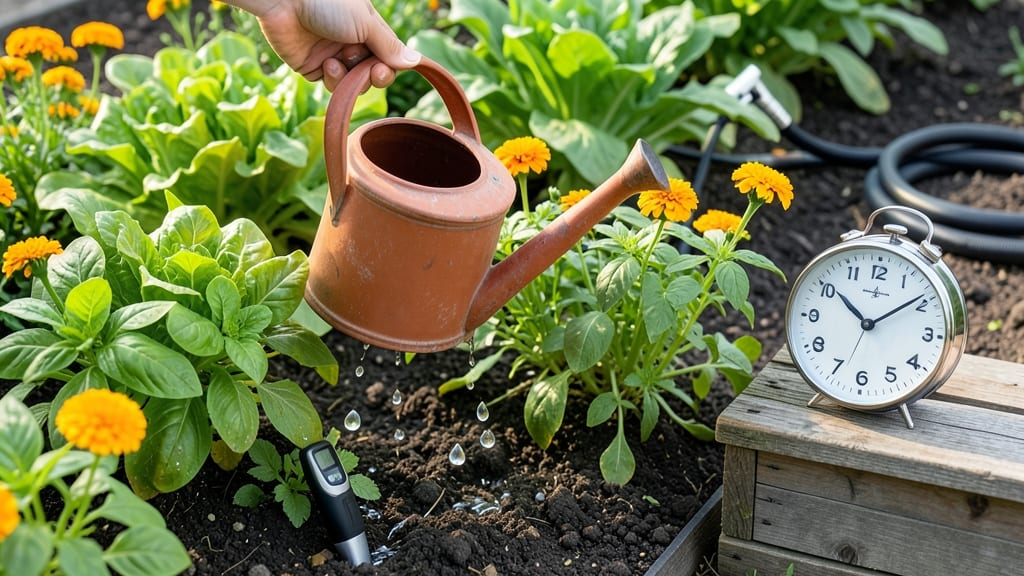
Watering your garden in the morning or evening makes a surprising difference in plant health, water waste, and even pest control — and the science behind it is simpler than you might think.
Struggling to decide whether morning or evening watering is best for your garden? The timing of your watering routine can dramatically impact plant health, pest resistance, and even water efficiency—so get this right!
Morning watering lets roots soak up moisture before the heat of the day, while evening sessions reduce evaporation but can leave foliage damp overnight—inviting fungal problems. Both have trade-offs, and the best choice depends on your climate, soil type, and the plants you’re growing.
In this guide, I’ll break down the pros and cons of each approach, share plant-specific timing tips, and reveal how to adjust your schedule for humidity, drought, or seasonal shifts—so you can water smarter, not harder.
Morning vs evening watering: how timing affects plant growth and health
Deciding whether to water your garden in the morning or evening isn’t just about convenience—it’s a science-backed choice that impacts root development, disease prevention, and even water efficiency.
Studies show that plants absorb moisture most effectively when soil temperatures are cooler, which happens during early morning hours. But evening watering has its perks too, especially in hot climates where evaporation is a major concern.
Let’s break down the key differences so you can optimize your watering schedule for healthier plants.
The evaporation rate is the biggest factor separating morning and evening watering. Watering in the morning allows moisture to penetrate deep into the soil before the sun intensifies. This encourages stronger root systems as roots grow toward the water.
In contrast, evening watering can lead to surface evaporation, wasting up to 30% more water in dry climates. However, if you water at dusk, you reduce the risk of foliar diseases like powdery mildew, which thrive in damp conditions overnight.
Soil temperature also plays a critical role. Cooler morning soil helps water absorb more efficiently, while evening watering can cool the soil too quickly, potentially shocking sensitive plants like tomatoes or peppers. Additionally, morning watering gives foliage time to dry completely before nightfall, reducing the risk of fungal infections. This is why many professional growers recommend watering between 6 AM and 10 AM for optimal results.
Now, let’s compare the two approaches side by side to help you decide what works best for your garden.
| Factor | Morning Watering | Evening Watering |
|---|---|---|
| Evaporation Rate | Low (water penetrates deep) | High (up to 30% loss in dry climates) |
| Root Development | Encourages deep root growth | Shallow absorption (roots stay near surface) |
| Fungal Disease Risk | Low (foliage dries quickly) | High (moisture lingers overnight) |
| Water Efficiency | Optimal (minimal waste) | Poor (higher evaporation) |
| Soil Temperature | Cooler (better absorption) | Warmer (can shock roots) |
| Best For | Most plants (veggies, flowers, lawns) | Dry climates (reduces heat stress) |
If you’re growing vegetables like tomatoes or berries, morning watering is ideal because it reduces the risk of blossom end rot and fruit splitting, both of which are exacerbated by inconsistent moisture.
For succulents and cacti, however, evening watering can be beneficial in arid regions because it allows the soil to retain moisture longer without scorching the plants during the day.
Another critical factor is humidity levels. In humid climates, evening watering can create a breeding ground for powdery mildew and rust diseases by keeping foliage damp overnight.
On the other hand, in low-humidity areas, evening watering might be your only option if you’re dealing with water restrictions during peak daylight hours. Always check your local weather forecasts—if rain is expected, adjust your schedule to avoid overwatering.
For container gardens, morning watering is almost always the best choice. Pots dry out faster, and evening water can lead to root rot if drainage isn’t perfect. If you must water in the evening, do so before sunset to give plants a few hours to dry out.
Pro tip: Use a moisture meter to check soil conditions—this takes the guesswork out of timing and ensures your plants get just the right amount of water.
Regional adaptations matter too. In Mediterranean climates, where summers are hot and dry, evening watering is sometimes preferred to cool the soil and reduce heat stress on plants. But in temperate zones, morning watering aligns better with natural rainfall patterns and plant growth cycles.
Always observe your garden’s response—if you notice yellowing leaves or wilting, it might be a sign your watering timing needs adjustment.
Ultimately, the best time to water depends on your plant types, climate, and garden goals. Start with morning watering as your default, then tweak based on what you observe.
And remember: deep, infrequent watering is always better than shallow, frequent soaks, regardless of timing. Your plants will thank you with vibrant blooms and bountiful harvests!
🌱
Best watering times by plant type: what your garden needs
Not all plants thrive on the same watering schedule. Succulents and drought-tolerant perennials need deep watering in the early morning to prevent rot, while leafy greens and vegetable crops benefit from evening watering to retain moisture in hot climates.
The key is understanding your plants' needs and adjusting for your local climate.
In drought-prone areas, morning watering reduces evaporation loss by up to 30%, giving roots time to absorb moisture before the heat peaks. Conversely, high-humidity regions may require evening watering to prevent fungal diseases like powdery mildew, which thrives in damp foliage overnight.
Seasonal shifts also demand flexibility. During summer months, water vegetables like tomatoes and peppers in the early morning to avoid scorching leaves, while lawns often need deep evening watering to combat daytime evaporation. In winter, reduce frequency but maintain consistency for woody plants like roses.
For container gardens, water earlier in the day to prevent stagnant water in pots, which can breed pests like fungus gnats. Herbs like basil and cilantro prefer morning watering to avoid fungal issues, while root crops such as carrots and beets need consistent moisture but benefit from deeper watering cycles.
Regional adjustments matter too. In arid climates, mulch heavily around plants and water in the early morning to maximize absorption. In tropical zones, split watering into morning and evening sessions to balance evaporation and humidity.
Always check soil moisture with your finger—if the top 1-2 inches are dry, it's time to water.
Pro tip: Use a soaker hose or drip irrigation for precision. These systems deliver water directly to roots, reducing waste and fungal risks regardless of timing. For delicate seedlings, water gently in the morning to keep soil evenly moist without disturbing tender stems.