
Tools
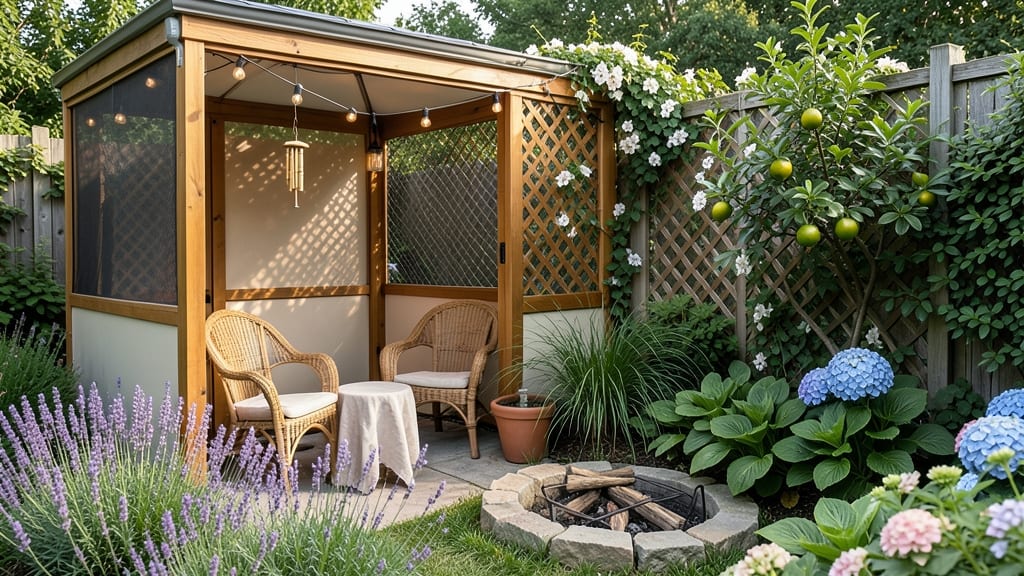
A screened-in garden blends outdoor charm with protection from pests, wind, and weather 🌿—creating a versatile space that works year-round.
Picture this: a cozy corner where you can sip coffee surrounded by blooming flowers, or a sheltered patio where kids play safely without bugs buzzing around. That’s the magic of a screened-in garden—it’s not just a backyard escape, it’s a functional extension of your home that adapts to your lifestyle.
From stylish layouts for small urban patios to sprawling retreats for large yards, the possibilities are endless. You’ll discover how to pick the right materials—whether it’s durable lattice or sleek fabric—to balance aesthetics and durability.
Plus, we’ll cover the best plants for enclosed spaces, so your garden stays lush without the hassle of high-maintenance upkeep.
Ready to design a space that’s as practical as it is beautiful? Here’s how to turn your vision into a reality with 15 creative layouts that maximize privacy, wind protection, and year-round enjoyment.
15 Stylish screened-in garden layouts for small, medium, and large spaces
A screened-in garden transforms any outdoor space into a private oasis while protecting your plants from wind, pests, and harsh weather. Whether you have a tiny balcony or a spacious backyard, these layouts maximize functionality and beauty.
I’ve designed options for every space—from compact urban nooks to expansive retreat-style gardens—using sustainable materials and low-maintenance plants to keep your space thriving year-round.
For small spaces, focus on vertical gardening and multi-functional furniture to save room. In medium-sized areas, create zones for dining, relaxing, and growing. Large spaces can become luxurious retreats with built-in seating, water features, and lush plantings.
Each design balances privacy, wind protection, and aesthetic appeal while adapting to your climate and lifestyle.
For small spaces, I recommend the corner nook garden—perfect for balconies or patios under 50 square feet. Use vertical planters to grow herbs and succulents, and add foldable furniture to maximize flexibility. Bamboo screens provide privacy and wind protection while blending seamlessly with urban aesthetics.
This layout is ideal for city dwellers who want a low-maintenance green escape without sacrificing space.
Medium-sized areas (50-200 sq ft) shine with a retreat-style patio that combines functionality and luxury. Install a pergola draped with climbing roses or jasmine to create a romantic canopy.
Add a built-in bench with storage for gardening tools and a small fire pit for cozy evenings. Lattice panels offer customizable privacy while allowing light and air to flow through—perfect for entertaining or unwinding after work.
Large spaces (200+ sq ft) can become multi-functional paradises with zoned layouts. Divide the area into a dining nook, a herb spiral garden, and a relaxation corner with a hammock or swing.
Incorporate a water feature like a small fountain to add calming ambiance and humidity for plants. Hardy plastic or aluminum screens provide durability and wind resistance, making this setup ideal for year-round use in climates with harsh winters or strong winds.
If you live in an urban apartment, a hanging garden is a space-saving miracle.
Use macramé hangers or tiered shelves to grow trailing plants like string of pearls or pothos. Mesh screens attached to railings offer privacy without bulk, while drought-resistant plants like sedum or lavender thrive with minimal care.
This design is perfect for rooftops or small balconies where floor space is limited.
For wind-prone areas, like coastal homes or open fields, a windbreak haven is essential. Use double-layered screens—one for aesthetics (like lattice panels) and another for wind resistance (such as aluminum frames).
Plant wind-resistant shrubs like boxwood or holly along the perimeter to soften gusts naturally. Add cozy seating with weather-resistant cushions to create a protected retreat where you can enjoy the outdoors without the chill or debris.
No matter your space, lighting plays a crucial role in screened-in gardens. Solar-powered LED lights or string lights add warmth and ambiance during evenings. For small gardens, battery-operated fairy lights draped along screens create a magical glow.
In larger spaces, pathway lighting guides visitors safely while highlighting key plant features. Always choose weather-resistant fixtures to ensure longevity.
Climate considerations are key when designing your screened-in garden. In hot climates, opt for fabric shades or retractable awnings to reduce heat buildup. For cold regions, double-layered screens with insulated panels help retain warmth. In
How to choose the best screening materials for durability and aesthetics
A screened-in garden transforms your outdoor space into a functional retreat, but the right screening material makes all the difference. You’ll need something that balances durability, wind resistance, and visual appeal while withstanding years of sun, rain, and wear.
Let’s break down the top options—from natural bamboo to modern hardy plastics—to help you pick the perfect fit for your garden’s needs.
When selecting materials, prioritize UV protection and maintenance ease. Some options, like lattice panels, offer a rustic charm but may require staining, while others, such as polycarbonate sheets, resist fading and warping.
Your choice should also align with your garden’s climate zone—coastal areas need wind-resistant screens, while hot climates benefit from breathable, UV-blocking fabrics.
Screening Material Pros & Cons
✅ Affordable
✅ Customizable designs
✅ Supports climbing plants
⚠️ Requires staining
⚠️ Limited UV protection
✅ Eco-friendly
✅ Natural aesthetic
✅ Lightweight
⚠️ Needs sealing
⚠️ Limited wind resistance
✅ UV-blocking
✅ Easy to install
✅ Breathable
⚠️ Limited durability
⚠️ Fading over time
✅ High UV resistance
✅ Windproof
✅ Low maintenance
⚠️ Less aesthetic
⚠️ Can get hot
For wind-prone areas, I recommend polycarbonate sheets or aluminum lattice, as they hold up against gusts without sagging. If you’re aiming for a natural look, bamboo or cedar screens add warmth but may need annual sealing to prevent rot.
Meanwhile, fabric shades are ideal for UV protection in sunny climates, though they’ll need replacing every few years.
Don’t overlook ventilation—some materials, like thick plastic, can trap heat. Opt for perforated screens or mesh panels if your garden gets hot, as they allow airflow while still blocking pests. Pair your screening with climbing plants like jasmine or ivy to soften the structure naturally over time.
Consider your budget and long-term upkeep too. While bamboo and lattice are budget-friendly upfront, they’ll need regular maintenance (staining, sealing). On the other hand, polycarbonate or vinyl screens cost more initially but pay off in low maintenance and longevity.
Test a small section first to see how it holds up to your garden’s conditions before committing to a full install.
Finally, think about installation ease. Fabric shades and lightweight lattice panels are DIY-friendly, while heavy materials like stone or brick may require professional help. Measure your space carefully and leave room for expansion—plants and vines will grow, so avoid overly tight fits.
With the right screening, your garden will stay protected, stylish, and inviting year-round. 🌿