
Vegetables
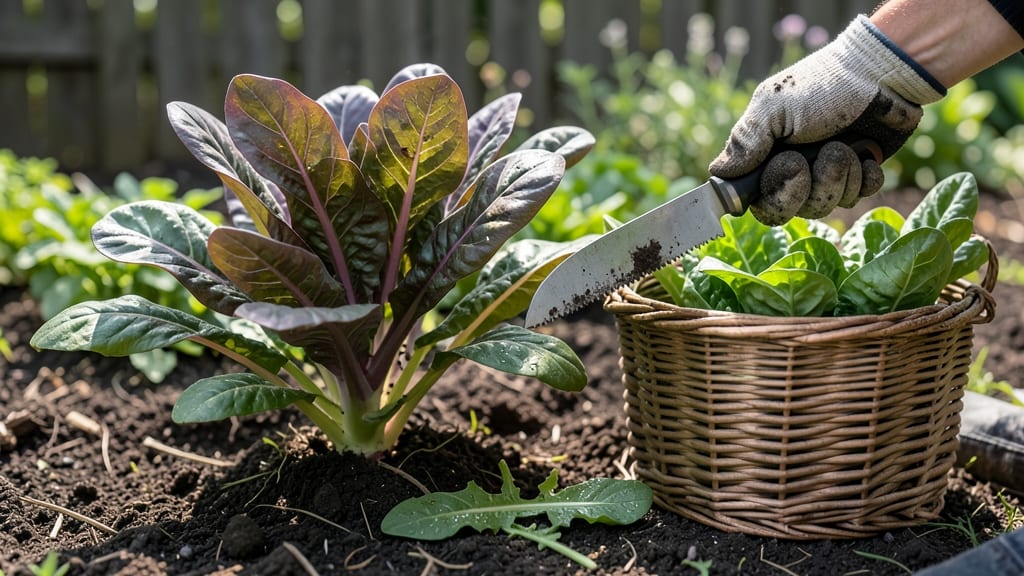
Harvesting romaine lettuce at the right time ensures crisp, tender leaves packed with flavor—between 45 and 60 days after planting is the sweet spot for peak texture.
Picture this: you’ve nurtured your 🥬 romaine lettuce all season, only to pull a head that’s tough or bitter. That’s the frustration of harvesting too late—when leaves turn woody or bolt in the heat. But timing it right? That’s how you get salads bursting with that perfect crunch.
Morning is the best time to harvest, when temperatures are cool and the leaves are still firm. Look for deep green, elongated leaves that measure 6-8 inches—that’s your cue to grab the shears.
And here’s the secret: you don’t have to take the whole head. Snip outer leaves, leaving the inner core to regrow, and you’ll stretch your harvest for weeks.
In this guide, I’ll walk you through the exact signs to watch for, how to extend your harvest season, and even how to revive wilted lettuce. No more wasted effort—just crisp, flavorful romaine every time you reach for it.

Romaine lettuce harvest time by growth stage: when to pick for peak flavor
Timing your romaine lettuce harvest correctly transforms that crisp, sweet flavor into your garden's star. Harvest too early, and you'll get small, tender leaves with minimal flavor.
Wait too long, and you risk bitter, woody textures that ruin salads. The key lies in understanding your lettuce's growth stages and environmental cues.
Romaine thrives in cool weather, typically maturing in 45-60 days depending on variety. Early harvests (around 30 days) yield baby leaves, while full heads take longer.
Pay attention to leaf size, color, and texture—these are your best indicators of readiness. Morning harvests are ideal, as lettuce is crispest after overnight cooling.
| Growth Stage | Leaf Size | Color | Texture | Harvest Time |
|---|---|---|---|---|
| Baby Leaves | 2-4 inches | Light green | Tender, soft | 30-35 days |
| Partial Head | 6-8 inches | Deep green | Crisp, firm | 40-45 days |
| Full Head | 10-12 inches | Rich green | Crisp, slight woody stem | 50-60 days |
| Overmature | 12+ inches | Yellowing | Bitter, tough | 60+ days |
For the best flavor, aim to harvest romaine when leaves reach 6-8 inches in length. At this stage, the deep green color and crisp texture signal peak sweetness. If your lettuce is growing in hot weather (above 80°F), it may bolt prematurely—harvest sooner to avoid bitterness.
Check the stem thickness too. A pencil-thin stem means tender leaves, while a thicker stem (like a quarter-inch diameter) indicates it's past its prime. Gently squeeze a leaf—if it feels firm but yields slightly, it's ready. Overly soft leaves are underripe, while overly stiff ones are overripe.
Morning harvests are critical. Lettuce is most crisp after a cool night, so pick between 6-8 AM for the best texture. Avoid harvesting in the midday heat, as the leaves can wilt quickly.
Use a sharp knife or pruning shears to cut leaves cleanly, leaving the inner core intact for regrowth.
Watch for environmental stress signs like yellowing leaves or hollow stems. These indicate overmaturity or nutrient deficiency. In warm climates, romaine may develop a bitter taste due to heat stress—harvest earlier or provide shade cloth to extend the harvest window.
Extend your harvest season by practicing succession planting. Sow new seeds every 2-3 weeks in spring and fall to ensure a steady supply. For container growers, use shallow pots and harvest outer leaves first to encourage continuous growth. This method works well for cut-and-come-again harvesting.
If your romaine starts forming flower stalks (bolting), it's past its prime. Bolting usually occurs due to heat stress or day length changes. To prevent this, plant in partial shade during hot months or use row covers to moderate temperatures.
After harvesting, store romaine in the crispest condition by wrapping it in a damp paper towel and placing it in a plastic bag in the fridge.
This keeps it fresh for up to 10 days. For long-term storage, blanch and freeze the leaves to preserve their nutritional value and flavor.
How to harvest romaine lettuce without ruining future growth: step-by-step guide
Harvesting romaine lettuce correctly is key to enjoying crisp, flavorful leaves while keeping your plants productive. Unlike other greens, romaine thrives when you use the cut-and-come-again method, allowing the inner core to regrow for multiple harvests. This approach prevents bolting (premature flowering) and ensures a steady supply of fresh leaves.
Timing matters too—harvesting at the right stage keeps your lettuce tender and sweet. Wait until leaves reach 6-8 inches in length and show a deep green, crisp texture. Avoid harvesting when leaves are still small or pale, as this stresses the plant and reduces future yields.
Step-by-Step Harvest Guide
- 1 Choose the right time: Harvest in the morning after dew has dried but before the sun peaks. This ensures maximum crispness and flavor.
- 2 Use clean tools: Grab a pair of sharp pruning shears or a clean knife. Sterilize blades with rubbing alcohol to prevent disease.
- 3 Cut outer leaves: Snip or cut 1/3 of the outer leaves, leaving the inner core intact. Avoid cutting into the center stem, which can stunt regrowth.
- 4 Leave 2-3 inches of growth: Never remove more than 1/3 of the plant at once. This ensures the remaining leaves can photosynthesize and regrow.
- 5 Water immediately: After harvesting, give the plant 1 inch of water to replenish moisture lost during cutting. This supports quick recovery.
- 6 Apply light fertilizer: Use a balanced fertilizer (5-10-10) 3-5 days after harvesting to encourage new growth. Avoid heavy doses, which can cause bolting.
- 7 Monitor regrowth: Check the plant every 5-7 days for new leaves. If growth slows, thin nearby plants to reduce competition for nutrients.
One common mistake is harvesting the entire head at once, which ends the plant’s life cycle. Instead, focus on selective cutting to prolong productivity. If your romaine starts to bolt (sending up a tall flower stalk), it’s a sign of stress—likely from heat or over-maturity.
To prevent this, harvest regularly and keep plants shaded during hot afternoons.
For container growers, the same rules apply: cut outer leaves and avoid disturbing the root system. Romaine in pots may regrow more slowly, so be patient and consistent with watering.
With proper care, a single plant can provide harvests for 6-8 weeks, making it a rewarding addition to any garden.
Pro tip: Store harvested leaves in a perforated plastic bag in the fridge for up to 5 days. This preserves crispness while you wait for the next harvest. Happy harvesting! 🥬