
Vegetables
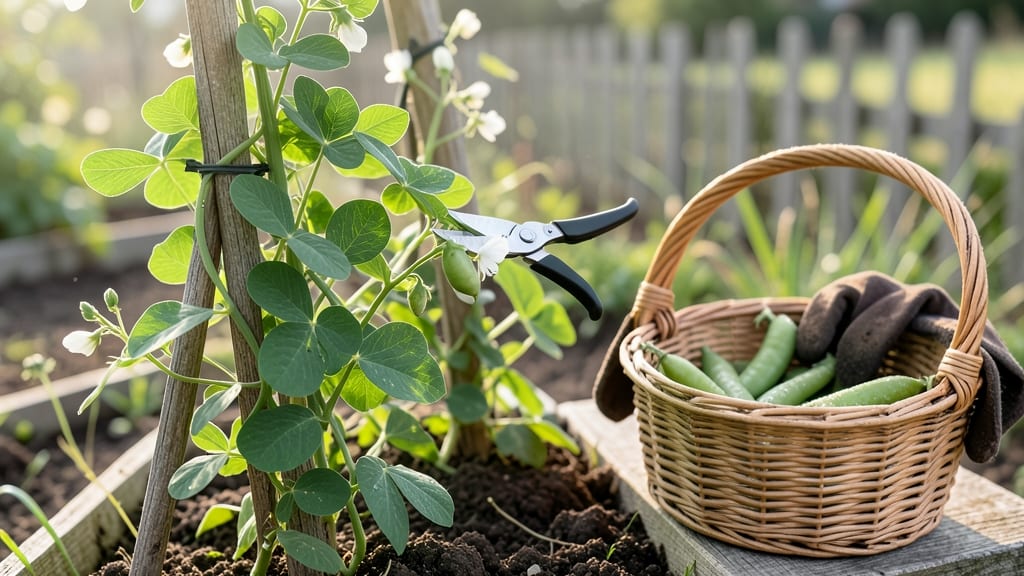
Harvesting peas at the right time means the difference between sweet, tender pods and tough, flavorless shells — and knowing pea harvest time is the key to a perfect harvest every season.
Picture this: you’ve waited weeks for your 🌱 peas to thrive, only to snap a pod that’s either still hard or already shriveled. That’s the moment you realize timing matters more than you thought.
Most garden peas reach peak flavor when pods are bright green, about 1-2 inches long, and snap easily between your fingers. Spring peas typically hit this stage in June-July, while fall varieties are ready in October-November.
Below, I’ll walk you through 3 foolproof signs to check for readiness, the best time of day to harvest, and how to keep your pea plants producing for weeks. No more guesswork — just perfect peas, every time.

3 Key signs your peas are ready for harvest (pod snap test)
Harvesting peas at the perfect moment transforms your garden into a sweet, crunchy treasure chest. The difference between tender, fresh peas and woody, overripe pods often comes down to three simple clues: pod size, color, and the pod snap test.
Missing these signs means sacrificing flavor—and worse, slowing your plant’s production.
I’ve learned the hard way that peas don’t wait for perfection. If you harvest too late, the peas inside turn mealy and tough, while pods left too long on the vine shrivel and lose sweetness.
Mastering these three signals ensures you’ll enjoy a steady supply of crisp, flavorful peas all season long.
Let’s start with the most reliable test—one that combines both visual cues and tactile feedback to confirm your peas are ready.
Peas are ready when pods reach 1 to 2 inches in length. For sugar snap peas, aim for 2-3 inches—they’re harvested whole.
Look for pods that are vibrant green, not yellowing or dull. They should feel firm to the touch—like a crisp apple.
Gently squeeze the pod between your thumb and forefinger. If it snaps cleanly with a slight resistance, the peas inside are perfectly ripe.
The pod snap test is my favorite trick because it combines both visual inspection and physical feedback. When you pinch a ripe pea pod, it should break with a satisfying crack, not squish like overripe fruit.
This test works for shelling peas, snap peas, and even snow peas, though snow peas are harvested slightly younger.
For sugar snap peas, the pods should be bright green and slightly plump, with a crunchy texture when bitten. If the pod feels soft or mushy, it’s past its prime.
Overripe pods often yellow at the seams or develop wrinkled skin, signaling it’s time to harvest the rest of the pods immediately.
Timing matters even more for garden (shelling) peas. These need to be harvested when the peas inside are plump and bright green, but before the pods turn woody or start splitting open.
I like to check the pods every 2-3 days during peak harvest season to avoid missing the window.
Morning harvests are ideal because peas are crispest after a cool night. If you harvest in the hot afternoon, the pods may feel slightly softer and less sweet.
Always use clean, sharp scissors or fingers to snap the pods off—never pull them, as this can damage the plant.
One common mistake I see is harvesting based on calendar dates rather than the plant’s signals. While most peas mature in 60-75 days, factors like temperature, soil fertility, and variety can shift that timeline. Always trust the pod snap test over guesswork.
Pro tip: If you’re growing multiple pea varieties, keep a small notebook nearby to track which pods are ripening fastest. Some varieties, like ‘Sugar Sprint’ snap peas, mature in just 55 days, while others take closer to 75 days. Harvesting consistently ensures your plants keep producing.
Once you’ve mastered these three signs, you’ll never miss a harvest again. The key is regular checking, gentle handling, and immediate use or storage of your freshly picked peas. Store them in the fridge for up to 5 days, or blanch and freeze for long-term enjoyment.
Now grab your scissors, head to the garden, and let the pod snap test guide you to a season of sweet, homegrown peas! 🌱✂️
Pea harvest time by variety: when to pick sugar snaps, snow peas, and garden peas
Not all peas ripen at the same time, and harvesting too early or too late makes a world of difference in flavor and texture. Each pea variety—sugar snap peas, snow peas, and garden (shelling) peas—has its own ideal harvest window.
Missing these windows means tough, fibrous pods or shriveled peas inside.
Climate plays a huge role too. In cooler northern regions, peas mature faster due to shorter days, while warmer southern climates can stretch the harvest season. Understanding these differences ensures you enjoy the sweetest, freshest peas straight from your garden.
| Variety | Optimal Harvest Time | Days to Maturity | Climate Adjustments |
|---|---|---|---|
| Sugar Snap Peas | When pods are 3-4 inches long, bright green, and crisp with a satisfying snap | 55-65 days | Harvest 2-3 weeks earlier in hot climates to avoid fibrous pods |
| Snow Peas | When pods are 2-3 inches long, flat, and tender with peas barely visible | 60-70 days | Cool climates may need 1-2 extra weeks for full maturity |
| Garden (Shelling) Peas | When pods are 2 inches long, plump, and peas inside are round and firm | 60-75 days | Harvest daily in warm weather to prevent over-maturity |
For sugar snap peas, the key is waiting until the pods are fully elongated but still crisp and sweet. If you pick them too early, they’ll be underdeveloped and bland.
In hotter climates, these peas can mature faster, so check them every 2-3 days once they start flowering.
Snow peas are trickier because they’re best when the peas inside are tiny and flat pods are still tender. Overripe snow peas become woody and tough, so harvest them when they’re 2-3 inches long and bright green. In cooler regions, they may take longer to reach this stage.
When harvesting garden (shelling) peas, focus on the size of the peas inside, not just the pod length. The peas should be round, firm, and about ½ inch in diameter.
If you wait too long, the peas will shrink and lose sweetness. In warmer climates, these peas can bolt quickly, so harvest frequently to encourage continuous production.
Pro tip: Always harvest peas in the morning when they’re cool and crisp. This is when their sugar content is highest, and the pods are at their firmest texture. Use sharp scissors or your fingers to snip pods cleanly to avoid damaging the plant.