
Tools
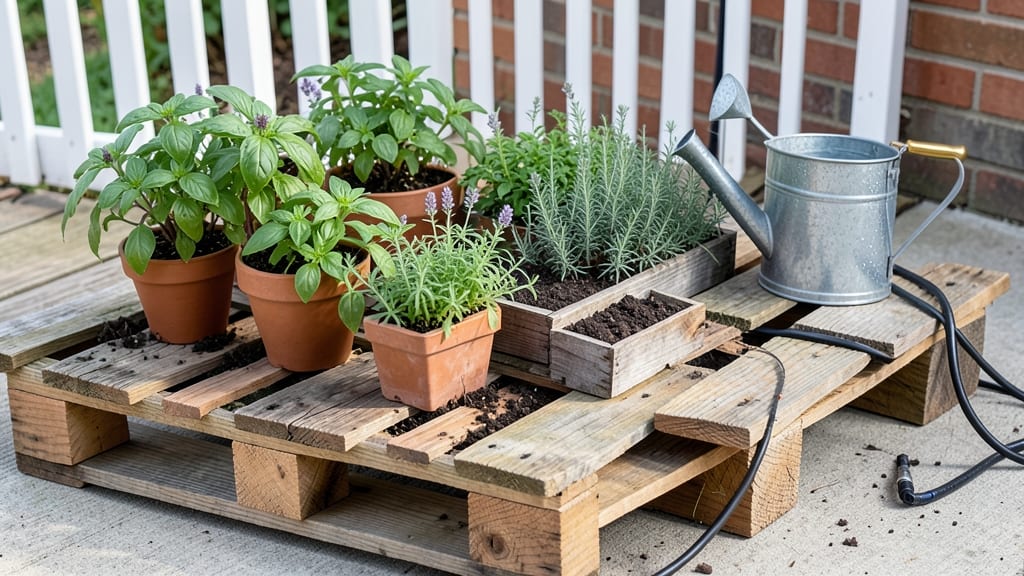
A pallet gardening table turns scrap wood into a functional, stylish garden centerpiece that fits any backyard or balcony—no fancy tools or deep pockets required.
Picture this: a sturdy, customizable table built from repurposed pallets, loaded with herbs, veggies, or flowers, all within arm’s reach. It’s the perfect solution for small spaces where every inch counts, and the best part? You can stain, paint, or leave it natural to match your garden’s vibe.
Beyond saving space, these tables are budget-friendly and eco-conscious, giving old pallets a second life while boosting your harvest. Whether you’re a beginner or a seasoned gardener, there’s a design to suit your skills and style.
Below, I’ll show you 10 creative DIY designs, from tiered planters to foldable setups, plus tips for choosing the right pallets and keeping them sturdy for years. Ready to build your own?
10 Creative DIY pallet gardening table designs for small spaces
Small spaces shouldn’t limit your gardening dreams. With a little creativity, you can transform wooden pallets into functional gardening tables that maximize your growing area. These designs are perfect for balconies, patios, or narrow yards, offering vertical growth and customizable layouts.
Whether you're growing herbs, veggies, or flowers, these pallet tables provide durability, affordability, and endless design possibilities—all while repurposing materials sustainably.
Before diving in, always ensure your pallets are heat-treated or chemically treated to avoid contaminants. Sand rough edges and reinforce weak spots with wooden brackets or screws for long-term stability.
With the right modifications, your pallet table can last for years, supporting everything from container gardens to hanging planters. Let’s explore 10 unique designs to inspire your next gardening project!
- 1 Tiered Pallet Herb Garden – Build a 3-tiered table with each level dedicated to different herbs (basil, thyme, parsley). Add drip irrigation between tiers for efficient watering. Ideal for sunny kitchens or balconies with limited floor space.
- 2 Modular Pallet Extension Table – Create a collapsible table with removable pallet sections. Perfect for renters or seasonal gardeners, this design lets you adjust size based on your space. Paint sections in bright colors for a modern look.
- 3 Pallet Planter with Built-in Seating – Combine functionality and comfort by attaching cushioned benches to the sides of your pallet table. Great for community gardens or family gatherings, this design turns gardening into a social activity.
- 4 Vertical Pallet Vegetable Tower – Stack pallets vertically to grow pole beans, cucumbers, or cherry tomatoes. Add trellises to the sides for climbing plants. This design maximizes sun exposure and airflow, reducing pest issues.
- 5 Pallet Greenhouse Table – Cover a pallet table with clear plastic sheeting or a mini greenhouse dome to extend growing seasons. Perfect for cold climates or winter gardening, this design protects plants from frost while keeping them accessible.
- 6 Foldable Pallet Garden Cart – Attach wheels to a pallet table for mobility. Use it to move plants between sunny and shaded spots or transport harvested goods. Ideal for urban gardeners with limited storage space.
- 7 Pallet Flower Wall Planter – Lean pallets against a fence or wall to create a living flower wall. Fill with annuals, succulents, or trailing plants like petunias. This design adds vertical beauty to small spaces while attracting pollinators.
- 8 Pallet Compost Bin Table – Combine gardening and sustainability by building a two-tiered table: the top for plants, the bottom for compost. Use worm composting in the lower section to create nutrient-rich soil for your garden.
- 9 Pallet Aquaponics Table – For advanced gardeners, combine aquaponics with a pallet table. Use the lower section for a small fish tank and the upper section for hydroponic plants. This closed-loop system reduces water waste and fertilizes plants naturally.
- 10 Pallet Fairy Garden Table – Create a whimsical mini garden for kids or fairy enthusiasts. Use small pallet sections to build tiny houses, bridges, and pathways. Fill with moss, tiny flowers, and pebbles for a magical touch.
How to choose the best pallet type and modifications for your garden
Not all pallets are created equal when it comes to your pallet gardening table. The wrong choice can lead to warping, rot, or even structural failure under heavy planters. I’ve learned the hard way—my first attempt used untreated wood that split after just two rainy seasons!
Let’s break down the critical factors to ensure your pallet garden stays sturdy and beautiful for years.
First, consider the wood treatment. Heat-treated and chemically treated pallets are the safest options for gardening. Heat-treated pallets are eco-friendly and free from harmful chemicals, while chemically treated pallets offer longer durability but may require extra care to avoid leaching.
Always check for the HT (heat-treated) or MB (methyl bromide-treated) stamp before purchasing.
| Pallet Type | Treatment | Durability | Safety for Plants | Best For |
|---|---|---|---|---|
| Heat-Treated (HT) | Steam sterilization | 7-10 years | Safe (no chemicals) | Edible gardens, long-term use |
| Chemically Treated (MB) | Methyl bromide | 10+ years | Moderate (avoid edible plants) | Ornamental gardens, heavy loads |
| Untreated | None | 1-3 years | Unsafe (mold, rot risk) | Short-term projects, non-edible |
Next, pay attention to pallet size. Standard pallets measure 40x48 inches or 48x48 inches, but you can cut them down to fit your space. For a pallet gardening table, I recommend using at least two pallets stacked or side-by-side to create a stable base.
If you’re building a tall vertical garden, opt for 48-inch pallets—they’re wider and less likely to wobble.
To prevent warping or rot, reinforce weak spots with 2x4 lumber or metal brackets. I always add diagonal braces between pallet layers for extra stability. For heavy planters, consider adding a plywood bottom or even a concrete slab if your design will hold significant weight.
Sanding and sealing the wood with a non-toxic food-safe sealant will also extend its lifespan.
Don’t forget to plan for drainage. Drill holes in the bottom of your pallet planters or add a landscape fabric layer to prevent soil from falling out while allowing excess water to escape.
I’ve seen too many pallet gardens drown because of poor drainage—always prioritize airflow and water flow to keep roots healthy.
Finally, think about customization. Paint or stain your pallet table to match your garden aesthetic, but use only eco-friendly, non-toxic finishes. Add wheels for mobility or legs for elevation if needed. The key is balancing functionality with style—your garden deserves both!