
Trees
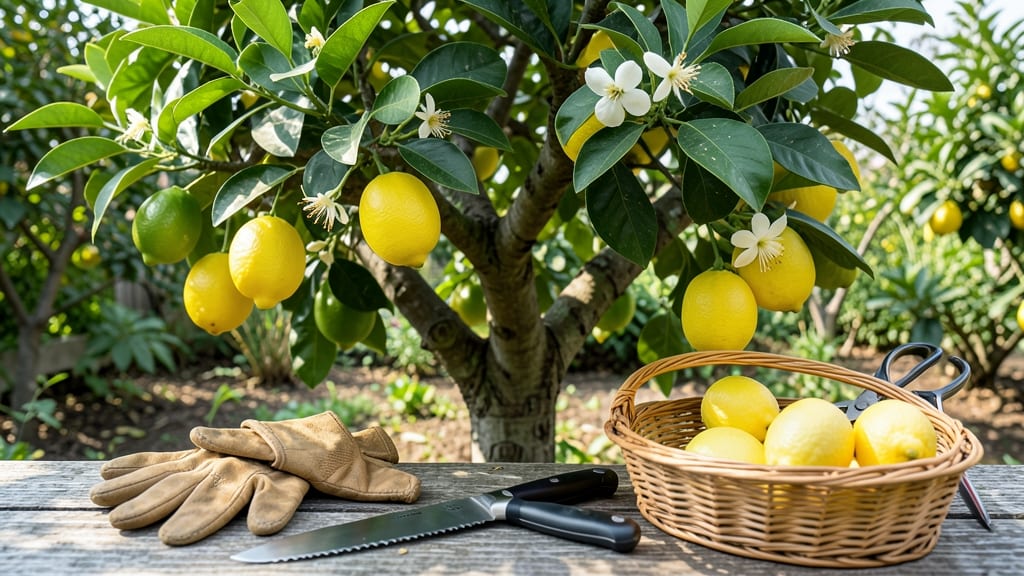
Harvesting lemons from your 🍋 tree at the right time means juicy, flavorful fruit year-round — and avoiding the frustration of wasted labor or bitter, underripe lemons.
Wondering why your lemon tree’s leaves are turning yellow or fruit is dropping prematurely? Understanding the natural harvest cycle—and when to intervene—can save your crop and boost future yields.
In USDA Zone 9b, where citrus thrives without frost, lemons ripen year-round with peak seasons in fall and spring. But timing matters: pick too early, and you’ll get tart, seedy fruit; wait too long, and you risk dropping lemons before they’re ready.
Below, I’ll break down the exact ripeness cues to watch for, how seasonal shifts affect your tree, and the three key signs a lemon is finally harvest-ready — plus what to do if your tree starts dropping fruit before it should.

When to harvest lemons: ideal ripeness stages by season & variety
Harvesting lemons at the right time ensures peak flavor and juiciness, but timing varies by lemon variety and seasonal conditions. Unlike oranges, lemons don’t ripen further after picking, so knowing when to harvest is critical.
The ideal harvest window spans fall through spring, but specific cues—like fruit color and texture—determine exact timing.
Most lemon varieties reach maturity in 12–18 months, but environmental factors like temperature and sunlight can shift this timeline. For example, Meyer lemons often ripen faster than Eureka or Lisbon varieties due to their hybrid genetics.
Understanding these differences helps you avoid premature fruit drop or waiting too long for optimal harvest.
Here’s a quick reference for the best harvest months by variety and how seasonal changes affect ripeness:
For Eureka lemons, the peak harvest season runs from October through March, aligning with cooler temperatures that slow fruit growth and intensify flavor. Look for lemons that are fully yellow with no green patches—they should feel firm but slightly yielding when gently squeezed.
The stem end should turn a yellowish-brown, indicating maturity.
If you’re growing Meyer lemons, harvest earlier in the season, typically from September to February. These hybrids often develop a slight green blush even when ripe, so focus on texture and aroma instead.
A ripe Meyer lemon will have a soft, yielding skin and emit a sweet, citrusy scent when gently crushed.
Lisbon lemons, known for their thick skin and tart flavor, ripen later than other varieties, from November to April. Their bright yellow color and heavy weight for their size are key indicators.
However, be cautious during heat waves, as excessive sun can cause sunburn on the fruit’s skin, compromising quality.
Seasonal shifts play a crucial role in lemon ripening. For instance, cooler fall temperatures slow fruit development, allowing flavors to concentrate. Conversely, winter chills can trigger premature fruit drop if the tree isn’t hardened off.
Always harvest lemons before the first frost in colder climates, as freezing temperatures damage both fruit and tree.
To test ripeness, give the lemon a gentle twist at the stem. If it detaches easily, it’s ready. Unripe lemons will resist, while overripe ones may feel mushy or split.
Store freshly harvested lemons in a cool, dry place away from direct sunlight to extend their shelf life for up to 2–4 weeks.
If you miss the harvest window, don’t despair—some green lemons can ripen indoors. Place them in a paper bag with a banana (the ethylene gas speeds ripening) and store them at room temperature. However, expect slower flavor development compared to tree-ripened fruit.
Pro tip: Thin the fruit when lemons are still small to improve air circulation and reduce disease risk. This practice also encourages the tree to produce larger, higher-quality fruit in the next season.
Why leaves yellow & fruit drops: natural harvest signals vs. problems
Your lemon tree may look like it's struggling when leaves turn yellow and fruit drops—but this isn't always a problem.
Understanding the difference between natural aging and stress signals helps preserve your harvest. Leaf senescence (natural aging) and fruit drop are common as the tree redirects energy to ripen remaining fruit. However, overwatering, pests, or disease can mimic these signs while harming productivity.
First, check the season. In late summer, your tree may drop 50-70% of blossoms—this is normal! Only 10-20% of flowers typically develop into fruit. If fruit drops after forming, it could signal nutrient deficiencies, poor pollination, or environmental stress.
Yellowing leaves on older branches are usually harmless, but new growth turning yellow may indicate overwatering or root rot.
📌 PROS-CONS BOX: NATURAL VS. PROBLEMATIC SIGNALS
Natural Harvest Signals
- Leaf drop on older branches (bottom leaves first)
- Fruit drop before color change (early season)
- No wilting or mushy stems on remaining fruit
- Tree continues producing new leaves
- Excessive drop (>30% of fruit after color change)
- New leaves yellowing immediately after growth
- Soil smells sour or roots appear rotten
Problematic Signals
- Yellowing on new growth (not just old leaves)
- Fruit drops with soft, mushy texture
- White cottony growth on leaves/stems (scale insects)
- Black spots or oily residue on foliage
- Reduce water by 30% (check soil moisture)
- Apply copper fungicide for bacterial spots
- Spray neem oil for pests (repeat weekly)
- Repot if root-bound (use well-draining mix)
If your lemon tree is dropping fruit after it turns yellow, focus on nutrient balance. A citrus-specific fertilizer (high in zinc and nitrogen) can help.
For overwatered trees, let the top 3 inches of soil dry between waterings. Mulch with wood chips to retain moisture while preventing root suffocation.
Pests like aphids or spider mites can cause premature fruit drop. Inspect leaves for sticky residue (aphids) or fine webbing (mites). A soapy water spray (1 tsp mild soap per quart of water) works for mild infestations. For scale insects, scrub affected areas with a rubbing alcohol-soaked cloth.
Remember, 10-20% fruit drop before harvest is normal—it ensures the remaining fruit grows larger and sweeter. However, if more than 30% drops after turning yellow, your tree may need more sunlight (minimum 6 hours daily) or better drainage.
Adjust care based on the season: reduce watering in winter and increase in summer.
By distinguishing between natural processes and stress signals, you’ll preserve your lemon harvest and keep your tree thriving. Pay attention to leaf color patterns, fruit texture, and growth habits—your tree will thank you with juicier lemons next season! 🍋