Identifying insects in garden identification can save your plants from disaster if you catch the problem early.
Picture this: you step outside to find your cherry tomatoes skeletonized overnight, or your roses wilting from unseen sap-suckers. Without knowing who’s to blame, you’re guessing at solutions—and that’s how infestations spiral out of control.
This guide breaks down the most common garden insects by the damage they leave behind, so you can spot the culprit at a glance. We’ll cover chewing pests like Japanese beetles, sap-suckers such as aphids, and even the helpful predators that keep your garden in balance.
By the end, you’ll know exactly which insects to tolerate, which to watch closely, and how to act fast when a real threat appears. No more guesswork—just clear, actionable steps to protect what you’ve grown.
How to identify garden insects by type of plant damage they cause
Every garden tells a story through its leaves, stems, and soil—and insects are the main characters. Some are heroes, like pollinators or predators, while others are villains that leave behind unmistakable signs of destruction. The key to protecting your garden lies in recognizing these damage patterns early.
Whether it's chewed edges, sap spots, or wilting foliage, each clue points to a specific insect culprit. Let’s decode the most common damage types and the insects behind them.
Start by examining the type of damage your plants exhibit. Is it irregular holes? Sticky residue? Or perhaps skeletal leaves? These visual cues narrow down the suspect list dramatically. For example, aphids leave behind curled leaves and honeydew, while caterpillars create large, ragged holes in leaves.
Understanding these patterns helps you act swiftly—whether by introducing beneficial insects or applying targeted organic treatments.
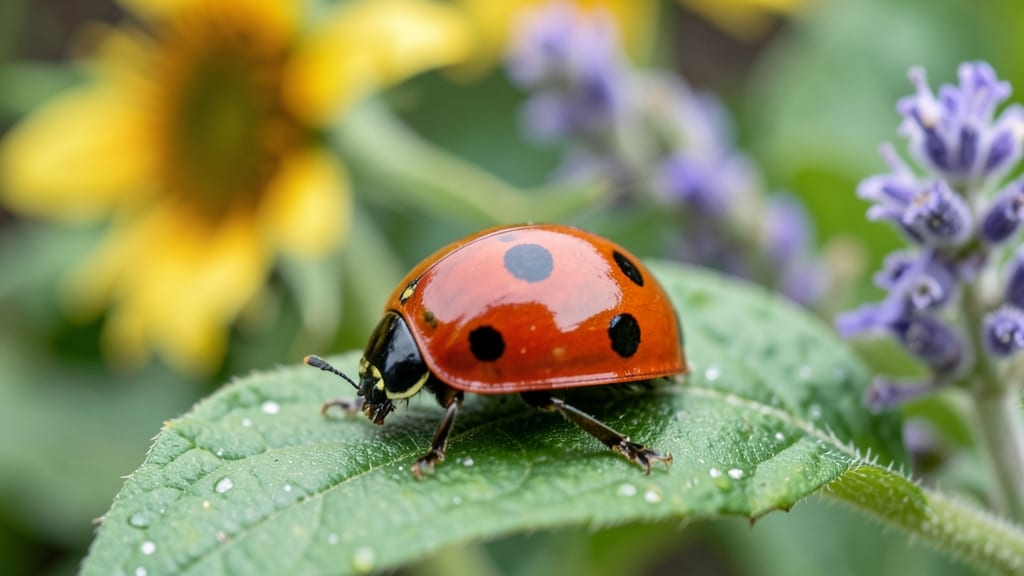
Not all insects are pests, though. Some, like ladybugs or lacewings, actually control pests and leave no damage behind. Learning to distinguish between harmful and helpful insects saves you time and preserves your garden’s ecological balance.
Below, you’ll find a breakdown of the most common damage types, the insects responsible, and how to tell if they’re friend or foe.
🌱
| Damage Type |
Insect Culprit |
Key Visual Clues |
Beneficial/Harmful |
| Chewed leaves with jagged edges |
Caterpillars (e.g., tomato hornworm) |
Large holes, frass (droppings), often hidden in leaf folds |
Harmful |
| Small, round holes in leaves |
Leaf miners (larvae) |
Serpentine trails inside leaves, translucent tunnels |
Harmful |
| Sticky residue (honeydew) |
Aphids, scale insects |
Clusters of tiny insects, curled leaves, black sooty mold |
Harmful |
| Skeletal leaves (veins remain) |
Spider mites |
Tiny webs, stippling on undersides of leaves |
Harmful |
| Wilting or yellowing leaves |
Root maggots, fungus gnats |
Larvae in soil, wilting despite watering |
Harmful |
| No visible damage (pollination) |
Bees, butterflies, hoverflies |
Top 10 most common garden pests and how to confirm their presence
Identifying garden pests early can save your plants from severe damage. The key is recognizing early warning signs like chewed leaves, sticky residue, or wilting stems. I’ve seen firsthand how quickly an infestation can spiral—especially with aphids or Japanese beetles.
These pests leave distinct clues, and catching them early means less work (and fewer chemicals) later.
Don’t wait until your tomatoes look like Swiss cheese or your roses are skeletonized by caterpillars. Below, I’ll walk you through the top 10 garden pests, their telltale damage, and how to confirm their presence before they take over. Grab your magnifying glass—let’s get started!
🔍 Numbered Highlights: 10 Pests & Their Damage Clues
-
1
Aphids: Tiny green/black clusters on new growth. Leaves curl, and you’ll spot sticky honeydew on lower leaves.
-
2
Japanese Beetles: Skeletons of leaves (only veins remain). Look for bronze-colored adults feeding in groups during sunny days.
-
3
Caterpillars: Irregular holes in leaves or entire leaves missing. Check undersides of leaves for green/black striped larvae.
-
4
Spider Mites: Tiny yellow/red dots on leaves. Wipe a leaf with a damp cloth—mites scatter. Webbing on leaf undersides is a red flag.
-
5
Cutworms: Cleanly cut stems near soil level. Dig around plant bases at dusk to spot grayish-brown larvae hiding in the dirt.
-
6
Whiteflies: White, flying specks when disturbed. Sticky residue on leaves and yellowing undersides are dead giveaways.
-
7
Grubs: Wilted, brown patches in lawns. Dig up C-shaped white larvae (they’re beetle babies!). Turf pulls up easily where they feed.
-
8
Squash Bugs: Brown shield-shaped adults hiding under leaves. Look for wilted, crispy vines on squash or cucumbers.
-
9
Corn Earworms: Holes in corn silk or fecal pellets inside husks. Shake plants to hear worms drop into bags.
- ★★★★★4.7(11 reviews)
|