
How To
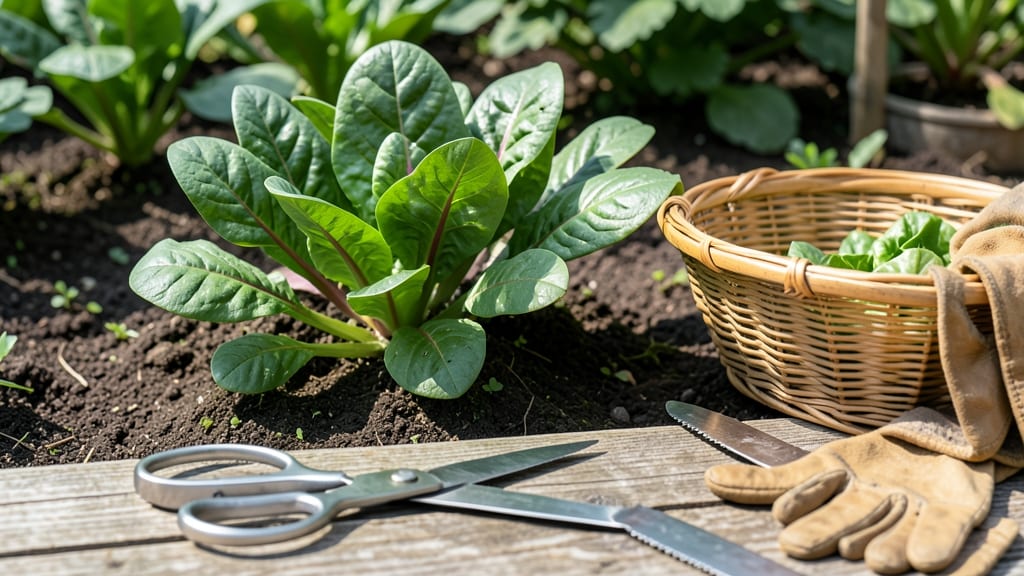
To harvest romaine lettuce from your garden at its peak crispness and flavor, focus on timing, technique, and regrowth tricks that keep your plants producing for weeks.
Nothing beats the crisp, fresh taste of homegrown romaine lettuce—but knowing when and how to harvest it can mean the difference between a salad fit for a king and one that’s wilted before it hits your plate.
You’ll learn the three key signs that your 🥬 heads are ready (like firmness and vibrant color), plus the best way to cut them to encourage more growth—so you’re not left with bare soil when the season ends.
From sharp scissors to cool storage tips, this guide covers everything you need to turn your garden’s lettuce into a continuous harvest, not just a one-time haul.


3 Clear signs your romaine lettuce is ready for harvest (with visual cues)
Harvesting romaine lettuce at the right time ensures crisp, flavorful leaves perfect for salads or cooking. The key lies in observing three telltale signs: leaf size, head firmness, and vibrant color.
Miss these cues, and you risk harvesting bitter or overly mature lettuce that’s past its prime. Let’s break down what to look for so you never miss the window of perfection.
First, check the leaf length. Romaine lettuce is ready when its outer leaves reach 6–8 inches. This is your first visual confirmation that the plant has matured enough for harvest.
Shorter leaves mean the lettuce still needs time to grow, while longer leaves may indicate it’s overdue for picking and could bolt or become tough.
Next, examine the head firmness. A ripe romaine head should feel compact and upright, almost like a tightly packed bundle of green. If you gently squeeze the head and it feels loose or floppy, it’s either not ready or already past its peak.
Firmness is a dead giveaway that the lettuce is at its crispest and most flavorful.
Color is another critical clue. Look for deep, vibrant green leaves with no yellowing or browning. Pale or dull-colored lettuce is a sign of nutrient deficiency or stress, while overly bright green (almost neon) can indicate excess nitrogen. Aim for that rich, healthy green that screams "fresh and ready!"
📋 How to Spot Ready Romaine Lettuce
- 1 Leaf Length: Outer leaves reach 6–8 inches (use a ruler for precision).
- 2 Head Firmness: Press gently—should feel tight and upright, not loose or wobbly.
- 3 Color: Deep, vibrant green with no yellowing or browning (avoid pale or neon hues).
- 4 Stem Thickness: Thick, sturdy stems (about 1/4 inch wide) indicate maturity.
- 5 Timeframe: Harvest 45–60 days after planting for peak flavor and texture.
Pro Tip: Harvest in the morning when leaves are cool and crispest. Use clean, sharp shears to avoid damaging the plant.
Timing is everything when it comes to romaine lettuce. Most varieties reach harvest readiness 45–60 days after planting, but this can vary based on your climate and growing conditions.
If you’re in a cooler region, your lettuce might take longer to mature, while warmer climates could speed up the process. Always check the seed packet for specific days-to-maturity guidelines.
One common mistake is waiting too long to harvest. Overly mature romaine lettuce can develop bitter flavors and tough stems, ruining its delicate texture. If you notice the inner leaves starting to yellow or the head becoming loose and floppy, it’s a sign you’ve missed the optimal harvest window.
When in doubt, harvest a few outer leaves to taste-test the flavor.
For continuous harvests, consider the "cut-and-come-again" method. Instead of cutting the entire head, snip the outer leaves first, leaving the inner core intact. This encourages regrowth and can extend your harvest by 2–3 weeks.
Just be sure to leave at least 2–3 inches of the stem to allow the plant to recover and produce new leaves.
Finally, avoid harvesting romaine lettuce during hot afternoons or after heavy rain. The leaves can be softer and more prone to damage during these times. Early mornings are ideal because the lettuce is cool, crisp, and at its peak freshness.
With these signs in mind, you’ll never miss the perfect moment to harvest your homegrown romaine.
Now that you’ve mastered the art of spotting ready romaine, your next step is learning the proper harvesting technique to preserve freshness and encourage regrowth. Stay tuned for our next section on step-by-step harvesting methods and how to store your lettuce for maximum longevity.
Step-by-step harvesting method to preserve freshness and encourage regrowth
Once your romaine lettuce reaches maturity, proper harvesting techniques ensure maximum yield and future regrowth. The key is timing—cutting too early means bitter leaves, while waiting too long results in bolting. I’ve perfected a method that keeps my plants productive for weeks, even in hot climates.
Start by gathering your tools: a sharp chef’s knife or clean pruning shears, a bowl of ice water, and a damp cloth. These simple items make all the difference in preserving freshness. Work during the coolest part of the day (early morning or late afternoon) to prevent wilting.
For continuous harvests, I recommend the "cut-and-come-again" method. Instead of removing the entire head, snip outer leaves every 7-10 days, leaving the inner leaves to grow. This technique can extend your harvest season by 4-6 weeks and works beautifully in containers or garden beds.
If your romaine starts to bolt (shoot up flowers), it’s past its prime. To salvage the situation, harvest any remaining leaves immediately and compost the bolting plant. This prevents seed spread and keeps your garden focused on productive growth.
Pro tip: Mark your calendar! Romaine lettuce thrives in cool weather, so plan harvests for spring (April-May) and fall (September-October) in most climates. With these techniques, you’ll enjoy fresh salads straight from your garden all season long.