
Planting
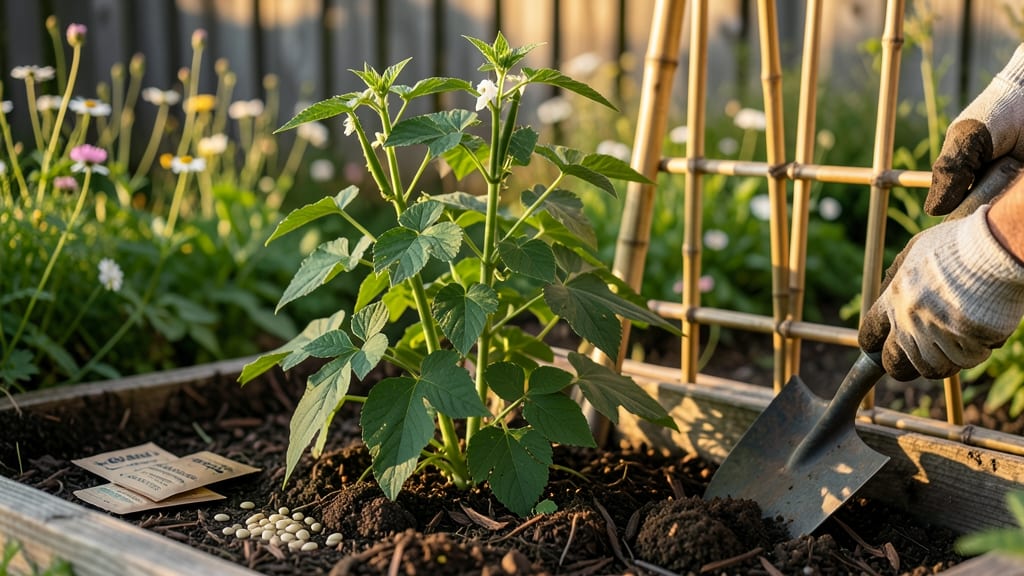
To plant string beans in a garden, start by waiting until after your last frost — typically April in Zone 6a — when soil warms to at least 60°F.
String beans are one of the easiest and most rewarding crops to grow, yet even experienced gardeners struggle with maximizing yield. Whether you're planting in a sunny backyard or a small raised bed, these simple steps will help you grow a thriving 🌱 harvest with minimal effort.
You’ll need well-drained soil rich in organic matter, a sunny spot with at least 6 hours of sunlight, and a little patience. The key is spacing them 3-4 inches apart and planting seeds just 1 inch deep—too shallow, and they’ll dry out; too deep, and they’ll rot.
Below, I’ll walk you through soil prep, trellis tricks for pole beans, and the 5 most common mistakes that cut yields—so you can go from seed to pod in 60 days or less.

Perfect soil conditions & planting depth for maximum string bean yield
String beans thrive when planted in the right soil conditions, which directly impacts their root development and overall yield.
Unlike some vegetables, they're not picky about soil type but do require well-draining soil with a slightly acidic to neutral pH. The key to maximizing your harvest lies in preparing the soil properly before planting those precious seeds.
Most gardeners overlook the importance of planting depth—yet getting this wrong can lead to weak seedlings or poor germination. For string beans, the ideal depth is 1 inch below the soil surface, with seeds spaced 3-4 inches apart.
This depth ensures roots have room to establish while protecting seeds from drying out or overheating.
Soil pH between 6.0 and 7.0 is perfect for string beans, as it prevents nutrient deficiencies that can stunt growth. If your soil tests higher or lower, simple amendments like compost or sulfur can adjust the pH naturally. I always recommend testing your soil before planting—it's the first step to avoiding common issues like yellowing leaves or stunted plants.
Organic matter is non-negotiable for string beans. Amend your soil with well-rotted compost or aged manure at least 2-3 weeks before planting. This improves drainage and moisture retention, which is crucial during dry spells.
My go-to mix is 50% garden soil, 30% compost, and 20% perlite for raised beds, which gives beans the perfect growing medium.
Poor drainage is a silent killer of string bean yields. If water pools around your planting area after rain, your beans will suffer from root rot. To fix this, raise beds slightly or add coarse sand or gravel to heavy clay soils. A simple percolation test—dig a hole, fill it with water, and time how long it drains—can save you from future headaches.
Compaction is another enemy of string bean roots. If your soil feels hard when squeezed, it's time to loosen it up with a garden fork or tiller. I recommend working the soil to a depth of 8-10 inches to encourage deep root growth.
This is especially important for pole beans, which need strong anchors to support their vines. A quick test: press your finger into the soil—if it springs back slowly, it's compacted.
String beans also benefit from a light fertilizer application at planting time, but avoid heavy doses of nitrogen. Too much can lead to lush foliage but fewer pods. Instead, use a balanced 5-10-10 fertilizer or organic options like fish emulsion.
I apply just 1 tablespoon per planting hole and mix it into the soil before seeding. This gives beans a gentle nutrient boost without overwhelming them.
If you're planting in containers or raised beds, use a lightweight potting mix blended with coconut coir or peat moss. This ensures good aeration while retaining moisture. For in-ground planting, avoid freshly tilled soil—let it settle for a few days to prevent seed displacement.
Pro tip: water the soil thoroughly before planting to create a moist seedbed, which encourages faster germination.
Finally, mulch your string beans with straw or grass clippings after they emerge. This keeps soil cool and moist, reduces weed competition, and prevents soil-borne diseases from splashing onto leaves. I use 2-3 inches of mulch, keeping it a few inches away from the stems to avoid rot.
This simple step can increase your yield by up to 20% by maintaining optimal growing conditions.
Remember, string beans are forgiving, but perfect soil prep sets the stage for a bumper crop. Start with the right conditions, and you'll enjoy tender pods all season long—no fancy tricks required. Happy planting! 🌱
Optimal spacing & trellis techniques to grow bushels of beans vertically
Growing string beans vertically is a game-changer for small gardens or urban spaces. Pole beans can climb 6-8 feet tall, while bush beans stay compact at 2-3 feet.
Vertical growing saves space, improves air circulation, and boosts yields by 30-50%—all while reducing disease risk. The key? Proper spacing and a sturdy, low-cost trellis.
Start by choosing your bean variety. Pole beans like 'Kentucky Wonder' or 'Blue Lake' thrive on trellises, while bush beans like 'Blue Lake Bush' grow well in rows.
For pole beans, plant seeds 4-6 inches apart in rows 18-24 inches apart. Bush beans need 3-4 inches between seeds and 12-18 inches between rows.
| Bean Type | Spacing (Seeds) | Row Spacing | Trellis Height | Yield Boost |
|---|---|---|---|---|
| Pole Beans | 4-6 inches | 18-24 inches | 6-8 feet | 30-50% |
| Bush Beans | 3-4 inches | 12-18 inches | None (compact) | 10-20% |
For trellises, use low-cost materials like bamboo stakes, wire fencing, or repurposed ladders. Install trellises before planting—drive stakes 6 inches deep and attach horizontal wires or netting for support. For a DIY trellis, twist 3-4 bamboo stakes together and tie with twine for a sturdy frame.
Train pole beans early by gently tying vines to the trellis with soft twine or old pantyhose. Prune side shoots to encourage upward growth and improve air flow. Harvest pods regularly to prevent overcrowding and keep plants productive. Vertical growth also makes harvesting easier—no more bending!
Maintenance is minimal but critical. Water consistently (1-2 inches per week) and fertilize lightly with a balanced 5-10-10 mix when flowers appear. Watch for pests like bean beetles or aphids—spray with neem oil if needed.
With proper spacing and support, your vertical bean patch will produce bushels of fresh pods all season long.
Pro tip: Interplant fast-growing radishes or lettuce around your beans to maximize space. By late summer, the beans will shade out weeds naturally, reducing maintenance. Happy climbing—and happy harvesting! 🌱🪴