
How To
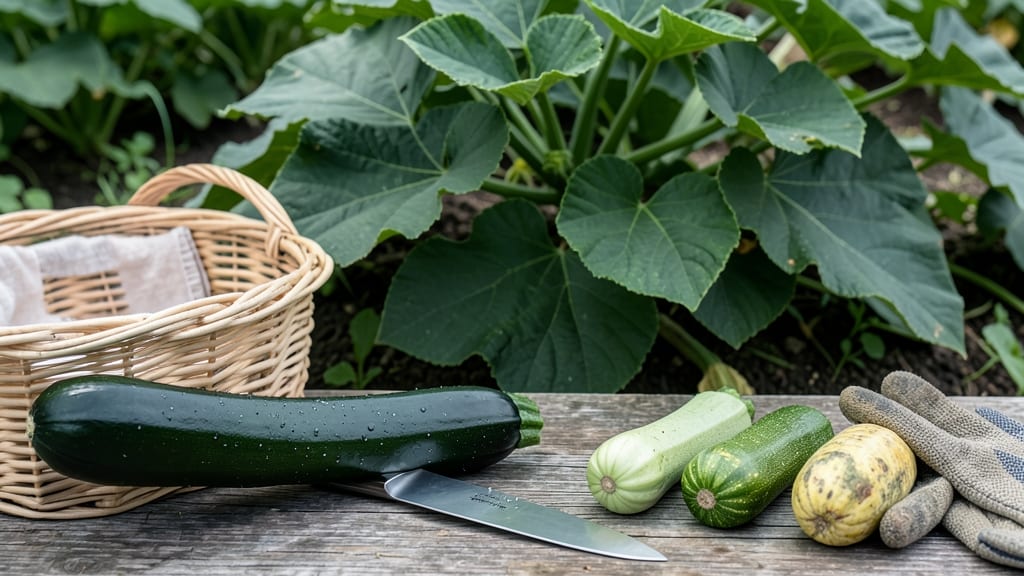
To know when to harvest zucchini 🍆, look for three key signs: a deep, consistent color, a stem that snaps easily, and a size between 6 and 8 inches.
Picking zucchini at the perfect moment transforms a bland, seedy mess into a tender, sweet masterpiece—but how do you know when it’s truly ready? Many gardeners wait too long, ending up with oversized, tough-skinned squash that’s more trouble than it’s worth.
Size alone isn’t enough—you’ll also want to check the skin’s texture and the stem’s color. A ripe zucchini should yield slightly when pressed, and the stem should turn from green to yellow, signaling peak flavor.
Ignore these cues, and you might find yourself dealing with a bitter, woody zucchini that’s barely edible.
In this guide, I’ll walk you through the three tactile tests that take the guesswork out of harvesting, plus tips for keeping your plants productive all season long. By the end, you’ll never second-guess your timing again!
3 Tactile tests to determine zucchini ripeness beyond size
Zucchini grows fast—sometimes too fast! Relying only on length measurements can lead to missed harvest windows or bitter, seedy surprises. The real magic happens when you touch, observe, and inspect your zucchini like a pro.
These three tactile tests reveal the perfect moment to harvest, ensuring tender flesh and sweet flavor every time.
Why does ripeness matter so much? Overripe zucchini develops woody fibers and large seeds, turning your harvest into a tough, bland disappointment. But harvest too early, and you miss the peak flavor window.
The solution? Combine visual cues with hands-on checks to pinpoint the ideal time—usually between 6 to 8 inches in length, but not always.
-
1Stem Color Check: Look at where the zucchini connects to the vine. A yellowish-green stem signals ripeness, while a bright green stem means it needs more time. This color shift indicates the fruit is ready to harvest within 24 hours.
-
2Thumb Pressure Test: Gently press your thumbnail into the zucchini’s skin. If it dents slightly but doesn’t spring back, it’s prime for picking. A firm resistance means it’s underripe, while a soft give suggests it’s past its peak.
-
3Seed Development Inspection: Cut open the blossom end (the stem end) to peek at the seeds. Tiny, peanut-sized seeds mean it’s time to harvest. If seeds are large and white, the zucchini has overstayed its welcome and will taste bitter.
Pro tip: Perform these tests in the morning when zucchini is cool and crisp. Heat from the day can make them feel softer than they are, leading to premature harvesting. I’ve learned this the hard way—overripe zucchini in my garden once turned into a wooden doorstop instead of dinner!
Another trick is to harvest consistently. Zucchini plants produce 1-2 fruits per day during peak season, so checking them every 2-3 days keeps you ahead of the game. Use a sharp knife or pruners to cut the fruit cleanly, leaving a small stem stub to prevent disease.
What if your zucchini fails one of these tests? Don’t panic! A slightly underripe zucchini can still be used in stir-fries or soups, where cooking softens the texture. But for grilling or spiralizing, aim for that sweet spot where the skin yields just enough to your touch.
Overripe zucchini? Toss it into bread or muffins—the seeds add a nutty flavor!
Remember, size isn’t everything. Some heirloom varieties like ‘Black Beauty’ or ‘Eight Ball’ can be harvested smaller for extra tenderness. Pay attention to your plant’s growth rate and adjust your checks accordingly.
The more you practice these tactile tests, the more intuitive harvesting becomes—like reading your garden’s personal ripeness language.
Next time you’re in your garden, grab a zucchini and give these tests a try. Your taste buds—and your future zucchini bread—will thank you! 🍆
Zucchini harvest timeline: when size alone isn’t enough
Timing your zucchini harvest correctly means the difference between a tender, sweet vegetable and a woody, seedy disappointment. While most gardeners focus on size (6-8 inches), the real magic happens when you combine growth stages with tactile cues.
Understanding these stages helps you predict when your zucchini will reach peak flavor—typically 45-55 days after transplanting, depending on the variety.
Zucchini development follows a predictable timeline, but environmental factors like temperature and sunlight can shift it. For example, cooler weather slows growth, while hotter conditions may speed up maturity.
Even flower appearance signals readiness—male flowers (with long stems) appear first, followed by female flowers (with tiny zucchini forming at the base). Once you spot those female blossoms, count 7-10 days until harvest time.
Common mistakes like harvesting too late or too early can ruin your crop. Overripe zucchini becomes bitter and develops large, hard seeds, while underripe ones lack flavor and have thick, tough skin. The key is to watch for three critical signs together: stem color, skin texture, and seed development. Ignoring these cues often leads to overproduction or wasted effort.
| Growth Stage | Days After Planting | Key Visual Cues | Harvest Readiness |
|---|---|---|---|
| Seedling | 0-14 | First true leaves appear | Not ready |
| Vegetative Growth | 15-30 | Male flowers bloom (long stems) | Not ready |
| Early Fruit Set | 30-40 | Female flowers appear (tiny zucchini at base) | Monitor closely |
| Peak Ripeness | 45-55 | 6-8" long, yellow stem end, slight skin give | Harvest now! |
| Overripe | 55+ | >8" long, hard seeds, tough skin | Avoid |
Most zucchini varieties reach harvestable size around 50 days, but some bush types (like 'Eight Ball') mature faster (45 days), while vining varieties (like 'Black Beauty') take longer (60 days).
Pay attention to your plant’s growth rate—if it’s thriving in full sun and rich soil, it may produce faster. Conversely, shady conditions or nutrient deficiencies can delay maturity.
One of the biggest harvesting mistakes is waiting until zucchini are too large. By the time they reach 10 inches, they’re often woody and seedy, with a bitter taste that’s hard to salvage.
Instead, aim for 6-8 inches—this is when the skin is tender and the flesh is sweet. Pro tip: Use a sharp knife to cut the fruit, leaving a small stem attached to encourage more production.
Finally, don’t ignore the seed development inside your zucchini. At peak ripeness, seeds are tiny and soft, but they quickly harden as the fruit ages. If you slice a zucchini and find large, pea-sized seeds, it’s past its prime.
Regular harvest checks every 2-3 days keep your plants productive and your zucchini at their best—crisp, flavorful, and ready for the table.