
How To
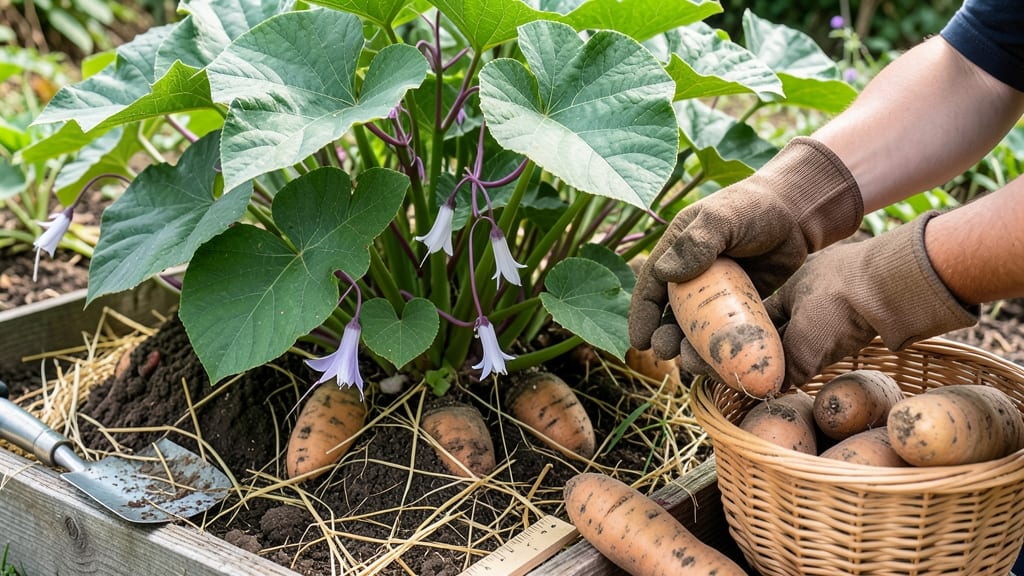
Knowing when to harvest sweet potatoes 🍠 is all about reading the plant’s signals—because digging too soon means bland tubers, and waiting too long risks frost damage.
Picture this: your vines have turned a crispy yellow and the leaves are crunching underfoot like autumn leaves, but the tubers? Still stubbornly soft. That’s where most gardeners go wrong—guessing instead of testing.
You’ll discover three simple tactile tests to check skin firmness, vine condition, and size without cutting into a single tuber. No more second-guessing whether that sweet potato is ready for the pot.
By the end, you’ll harvest at peak sweetness every time, storing them longer and savoring that summer flavor all winter long.


3 Tactile tests to determine sweet potato harvest readiness
Harvesting sweet potatoes at the perfect moment transforms them from starchy to sweet, creamy perfection. Unlike other root vegetables, you can't rely solely on days after planting—maturity depends on tactile cues like skin texture and vine health.
These three simple tests let you gauge sweetness without digging up every tuber. I've used them for years, and they've never failed me.
The key is patience—sweet potatoes need time to develop their signature flavor. Rushing the harvest means tough, bland tubers, while waiting too long risks frost damage or shriveling. By mastering these hands-on techniques, you'll know exactly when to dig, ensuring your harvest tastes like summer in every bite.
Here's how to perform each test with precision—no guesswork required.
-
1Vine Color Test
Look for yellowing vines and brown, crispy leaf edges. When 50-70% of foliage dies back, your sweet potatoes are ready. This signals the plant is redirecting energy to the tubers, boosting sugar content. -
2Skin Firmness Test
Gently press a fingernail into the tuber's skin. If it resists pressure and doesn't dent easily, it's ready. Early harvests will have soft skin that yields to light pressure, while overripe ones may develop tough, woody skin. -
3Size and Shape Check
Reach for tubers 3-6 inches in diameter with smooth, unblemished skin. Smaller ones (under 2 inches) are starchy and underdeveloped. Oversized tubers may have developed woody centers, reducing sweetness.
For beginners, combine all three tests to confirm readiness. I once harvested a batch based solely on vine color, only to find the tubers were still small and bland.
Now, I cross-check every indicator before digging. This method works for both orange-fleshed and white varieties, though orange types often develop sweetness slightly earlier.
Timing matters too—aim to harvest before the first frost, which typically arrives in late October in most USDA Zone 6a regions. If frost threatens before your sweet potatoes are ready, cover the plants with row fabric for 2-3 days to slow vine dieback and buy extra time.
Pro tip: Harvest on a dry, sunny morning when soil is slightly dry. This prevents tubers from absorbing excess moisture, which can lead to rot during storage. Curing your harvest at 80-85°F for 5-10 days afterward enhances sweetness and storage life—more on that in my curing guide.
Remember, sweet potatoes continue to sweeten slightly after harvest, but the tactile tests ensure you're starting with the best possible flavor foundation. The more you practice these methods, the more intuitive they become.
Next time you're in your garden, run your fingers over the vines and tubers—your taste buds will thank you.
Now that you can identify the perfect moment to harvest, let's explore how variety differences affect timing in our next section. Some types mature faster than others, and knowing these nuances can mean the difference between a stellar harvest and a disappointing one.
When to harvest by variety: timing differences for white vs. orange sweet potatoes
Not all sweet potatoes mature at the same time—variety and climate play huge roles in determining the perfect harvest window. Orange-fleshed varieties like Beauregard and Georgia Jet typically reach peak sweetness 105–120 days after planting, while white-fleshed types such as Jewel or Bonita may mature 5–10 days earlier.
Understanding these differences ensures you harvest at the ideal moment for flavor and storage potential.
In warmer climates (USDA Zones 8–10), sweet potatoes can stay in the ground longer, often until late November, thanks to extended frost-free seasons. However, in cooler regions (Zones 6–7), you’ll need to harvest before the first frost, usually by mid-October, to avoid damage.
Always prioritize vine yellowing and skin toughness over strict calendar dates.
| Variety | Flesh Color | Days to Maturity | Harvest Window | Climate Notes |
|---|---|---|---|---|
| Beauregard | Orange | 105–120 days | Late Sept–Oct | Best in warm climates; store well |
| Jewel | White | 90–105 days | Mid-Sept–Oct | Early maturer; harvest before frost |
| Georgia Jet | Orange | 110–125 days | Late Oct–Nov | Longer storage; ideal for cooler zones |
| Bonita | White | 85–100 days | Early Sept–Oct | Quick harvest; sensitive to frost |
| Centennial | Orange | 100–110 days | Late Sept–Oct | Resistant to disease; versatile |
If you’re growing multiple varieties, start checking for harvest readiness 2–3 weeks before the earliest-maturing type (like Bonita) and continue monitoring until the latest (like Georgia Jet). Use a garden journal to track planting dates and note when vines begin yellowing—this helps you anticipate future harvests.
Pro tip: Orange varieties often develop deeper sweetness when left in the ground slightly longer, while white varieties can become woody if overripe.
Climate also dictates your harvest strategy. In short-season areas, prioritize early-maturing white varieties like Jewel to avoid frost damage. In longer growing seasons, you can afford to wait for orange varieties to fully develop their signature sweetness.
Always test skin firmness—if it resists your fingernail, it’s ready, regardless of the calendar.
One common mistake is assuming all sweet potatoes are ready at the same time. White varieties often signal readiness with softer skins and smaller sizes compared to their orange counterparts, which can grow larger before reaching peak flavor.
Pay attention to vine dieback—when 75% of leaves turn brown, it’s time to dig, even if the tubers aren’t at your ideal size.
For storage success, harvest white varieties first (they spoil faster) and leave orange types in the ground until the last possible moment before frost. Curing harvested sweet potatoes at 80–85°F and 80% humidity for 5–10 days enhances sweetness, but only do this after confirming they’re fully mature.
The right variety and timing make all the difference in your harvest’s flavor and shelf life! 🍠