
How To
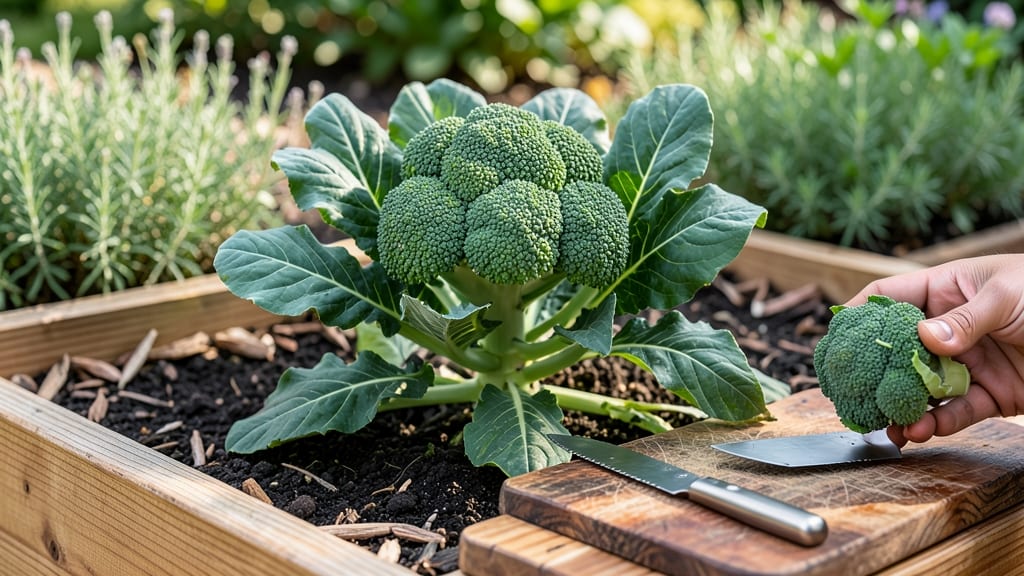
Knowing when to harvest broccoli 🥦 ensures you get the most flavorful, tender heads—and missing the window means tough, bitter florets or wasted regrowth.
Picking broccoli at the wrong time means sacrificing flavor, texture, and even your plant’s future harvests—so how do you know the exact moment to harvest for crisp, tender florets?
Look for three key signs: dark green, tightly closed florets about 3-6 inches wide, a thick, sturdy stalk, and no yellowing edges. These visual and tactile cues tell you the broccoli is at its peak.
In this guide, I’ll walk you through the three tactile tests to determine perfect harvest timing, plus how to handle side shoots for a continuous yield—so you never waste another head.


3 Tactile tests to determine perfect broccoli harvest readiness
Harvesting broccoli at the right moment transforms your garden into a flavor powerhouse. The difference between crisp, sweet florets and bitter, woody stems often comes down to three simple tactile tests most gardeners overlook.
I’ve learned these tricks after years of trial and error—trust me, your taste buds will thank you for paying attention to these cues.
Broccoli plants mature quickly, but waiting too long means sacrificing both texture and future harvests. Overripe heads not only lose their signature crunch but also signal the plant to shift energy away from producing side shoots.
That’s why I always check for these three key indicators before reaching for my pruners.
🌱 Numbered Highlights: 3 Tactile Tests for Perfect Broccoli
-
Test 1: The Color Check
Look for deep forest-green florets with no yellowing. A single yellow bud means it’s past prime. -
Test 2: The Size Rule
Harvest when heads reach 3-6 inches in diameter. Larger heads often mean tougher stems and bitter taste. -
Test 3: The Touch Test
Gently squeeze the florets—firm buds that don’t feel spongy are ready. Soft florets indicate overmaturity.
Pro Tip: Morning harvests yield the crispiest broccoli since florets are hydrated from overnight dew.
Let’s break down each test so you can confidently harvest broccoli at its peak. The color check is your first line of defense against bitterness.
I always scan the florets for any hint of yellow—even a single bud turning golden means the entire head is on its way to becoming tough and fibrous. This test works best in natural daylight, so I avoid harvesting on cloudy days when colors can appear misleadingly vibrant.
The size rule might seem simple, but many gardeners wait too long because they assume bigger equals better. In reality, broccoli heads continue growing even after they’ve reached ideal eating size. A head that’s 6 inches or larger often develops a woody core and bitter-tasting florets.
I’ve found that harvesting at 4-5 inches gives the sweetest, most tender results while still leaving room for side shoots to develop.
My favorite test is the touch test because it combines both science and intuition. When you gently press a floret, it should feel dense and slightly springy, like a well-inflated balloon. If it gives under pressure or feels spongy, it’s past its prime.
This tactile feedback is especially useful for varieties like Calabrese, which can mature unevenly. I always harvest in the morning when florets are firmest after absorbing nighttime moisture.
One mistake I used to make was relying solely on the plant’s age rather than these physical cues. Broccoli typically matures in 50-80 days depending on the variety, but environmental factors like temperature and sunlight can shift this window significantly.
For example, cool-season varieties like Waltham 29 mature faster in spring than in fall. That’s why I now track these tactile tests instead of days since planting.
Here’s a bonus tip: Pay attention to the stem thickness at the base of the head. A mature broccoli should have a thick, sturdy stalk that doesn’t bend when you lift the head. Thin stems often indicate the plant is struggling or that the head is overripe.
I’ve noticed that plants grown in rich, compost-amended soil develop thicker stems, which correlates with better flavor and texture in the florets.
After harvesting, always leave 2-3 inches of stem attached to encourage side shoots. This simple technique can extend your harvest by 3-4 weeks per plant. I’ve seen some gardeners cut too close, which stresses the plant and reduces future yields.
The key is to make a clean cut just above a leaf node—this is where new growth will emerge.
If you’re growing multiple broccoli plants, prioritize harvesting the most mature heads first. This prevents overcrowding and ensures all your plants reach peak readiness. I’ve found that spreading out harvests by a few days keeps the flavor consistent across your entire crop.
And remember: Broccoli continues to grow after harvest, so checking your plants every 2-3 days during peak season is essential.
Finally, store harvested broccoli properly to maintain its texture. I wrap the heads in a damp paper towel and place them in a plastic bag in the fridge. This mimics the humid conditions of the garden and keeps florets crisp for up to 5 days.
For longer storage, blanch and freeze—this preserves both color and flavor for months.
Mastering these tactile tests will turn your broccoli harvests from ho-hum to outstanding. The first time I used these methods, I was amazed at how much sweeter and more tender my broccoli tasted.
Now I look forward to the harvest season knowing I’ll get the best possible results from my garden.
Common harvest mistakes that ruin your broccoli (and how to avoid them)
Harvesting broccoli at the wrong time isn’t just about missing a perfectly crisp head—it can also stress your plant and reduce future yields. Many gardeners make avoidable mistakes like waiting too long or cutting stems improperly, which leads to bitter, woody florets or stunted regrowth.
Understanding these common pitfalls will help you maximize both flavor and plant longevity.
One of the biggest mistakes is harvesting too late. When broccoli heads start to loosen and yellow, the florets become tough and bitter. Even worse, the plant diverts energy to seed production instead of growing side shoots for a second harvest.
Timing is everything—catching that ideal window ensures tender, sweet florets every time.
Another frequent error is cutting the stem too short or damaging the plant’s center. If you leave too little stem, the plant struggles to regenerate. Meanwhile, rough pruning can introduce diseases like rot. Always cut about 5-7 inches below the head to encourage strong side shoots and maintain plant health.
Ignoring side shoots is another missed opportunity. After harvesting the main head, broccoli plants often produce smaller secondary florets along the stem. Skipping these means losing up to 30% of your total yield. With proper care, these side shoots can be just as flavorful as the primary harvest.
Overwatering or underwatering also ruins broccoli quality. Too much water causes soggy soil and rot, while drought stress leads to bitter, tough florets. Consistency is key—keep soil moist but not waterlogged, especially during the harvest window.
⚠️ CALLOUT WARNING: How to Know When to Harvest Broccoli ⚠️
Broccoli heads are ready when they’re 3-6 inches wide, dark green, and tightly closed. If florets start to loosen or yellow, you’ve missed the window—these heads become woody and bitter. Use your fingers: gently squeeze a floret—it should feel firm but yield slightly, like a ripe avocado.
🌱 Pro Tip: Harvest in the morning after dew dries to ensure maximum crispness.
Even experienced gardeners sometimes overlook plant health after harvesting. After cutting the main head, fertilize lightly with a balanced NPK (5-10-10) to encourage side shoot growth. Avoid heavy nitrogen, which can lead to leafy growth at the expense of florets. Instead, focus on potassium-rich fertilizers to support regrowth.
Finally, don’t neglect mulching after harvest. A 2-3 inch layer of organic mulch (like straw or shredded leaves) helps retain moisture and suppress weeds, giving your broccoli plant the best chance to produce multiple harvests.
With these tips, you’ll avoid common mistakes and enjoy a bountiful, flavorful harvest all season long.