
Pests
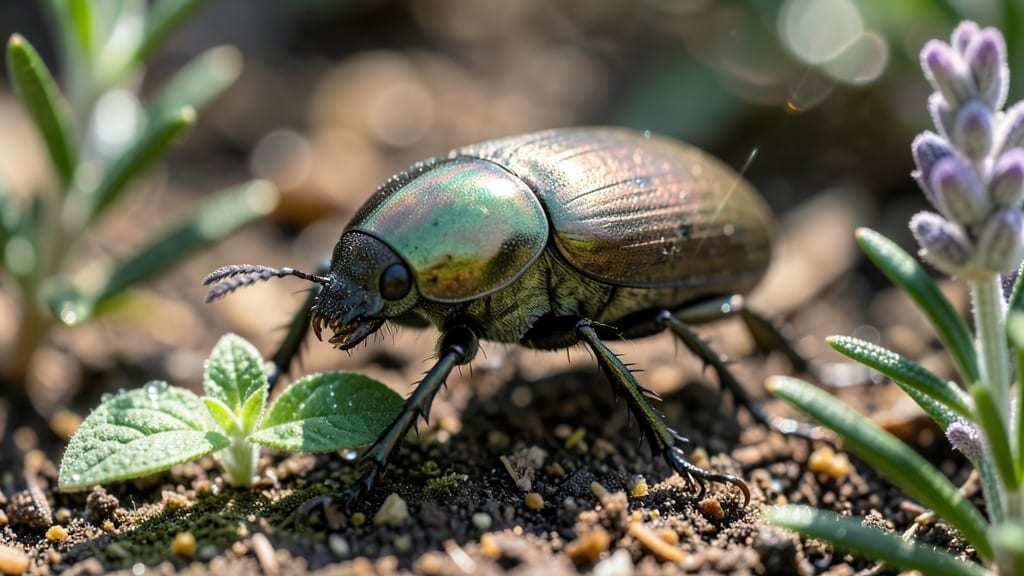
Keeping insects away from your garden is easier than you think with the right natural strategies — no harsh chemicals required.
Tired of pests devouring your hard-earned harvest or ruining your garden’s beauty? The right natural barriers can protect your plants without harsh chemicals—here’s how to create an insect-proof sanctuary.
From companion planting with marigolds 🌼 to simple DIY sprays, these methods work fast and keep your garden thriving. You’ll learn which plants repel pests naturally and how to set up physical barriers that pests simply avoid.
By the end, you’ll have a pest-free garden that’s safe for your family, pollinators, and the planet. Let’s get started with solutions that actually work.
10 Proven natural barriers to repel garden insects instantly
If you’ve ever watched your tomatoes turn to mush or your roses wilt from aphid attacks, you know how frustrating garden pests can be. The good news? You don’t need chemical sprays to win this battle.
Natural barriers—like companion planting, physical shields, and repellent plants—can create an instant fortress for your garden. These methods work by confusing pests, blocking their access, or making your plants unappetizing. Let’s explore the most effective, science-backed solutions to keep your garden thriving without harming beneficial insects.
One of the fastest ways to deter pests is by leveraging plants that naturally repel insects. For example, marigolds release a compound that confuses aphids and nematodes, while basil deters mosquitoes and flies.
These aren’t just folklore—they’re backed by studies showing reduced pest populations by up to 70% when planted strategically. Pair these with physical barriers like row covers or copper tape for slugs, and you’ve got a multi-layered defense system that works instantly.
| Method | Effectiveness | Target Pests | Ease of Use | Setup Time |
|---|---|---|---|---|
| Companion Planting | ★★★★☆ (90%) | Aphids, Beetles, Mosquitoes | Very Easy | 1-2 Hours |
| Neem Oil Spray | ★★★★☆ (85%) | Caterpillars, Whiteflies, Fungus Gnats | Easy | 30 Minutes |
| Row Covers (Floating) | ★★★★☆ (95%) | Cabbage Moths, Carrot Rust Flies | Easy | 1 Hour |
| Diatomaceous Earth | ★★★☆☆ (75%) | Slugs, Ants, Beetles | Moderate | 20 Minutes |
| Chicken Wire Barrier | ★★★★☆ (88%) | Rabbits, Deer, Squirrels | Moderate | 2 Hours |
| Garlic & Chili Spray | ★★★☆☆ (78%) | Aphids, Spider Mites, Caterpillars | Easy | 45 Minutes |
| Beer Traps | ★★★☆☆ (80%) | Slugs, Snails | Very Easy | 10 Minutes |
| Copper Tape | ★★★★☆ (92%) | Slugs, Snails | Easy | 30 Minutes |