
How To
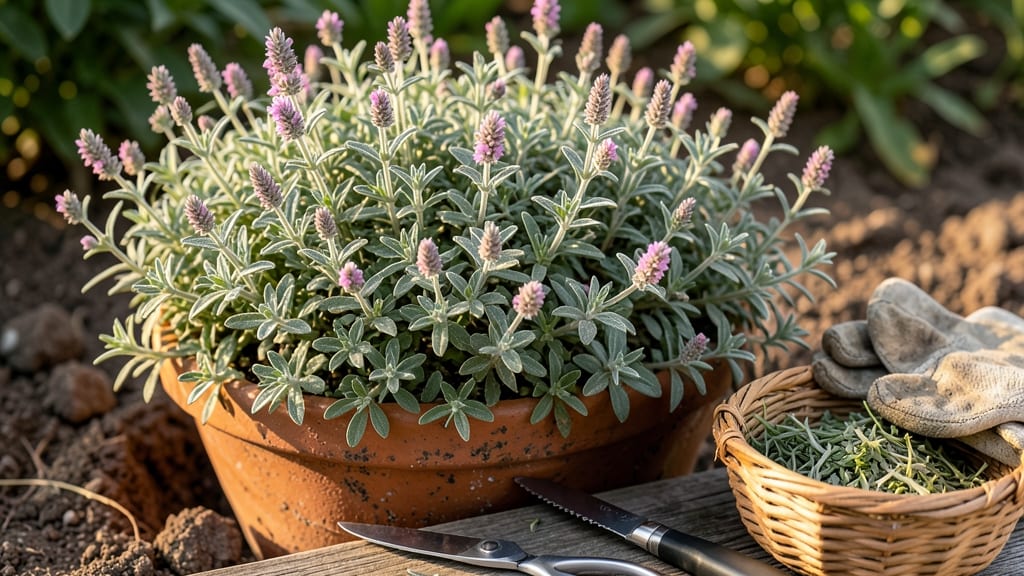
To harvest thyme at its peak flavor and keep your 🌿 plant thriving, timing and technique are everything.
Picture this: you’ve nurtured your thyme through spring, and now it’s June, the leaves are fragrant, and the stems are sturdy—but you’re not sure how to snip without killing the plant. That’s where most gardeners hesitate, unsure whether to cut too much or miss the sweet spot for flavor.
Harvesting thyme isn’t just about grabbing a few sprigs; it’s about encouraging year-round growth while preserving that rich, earthy taste. Whether you’re a beginner or a seasoned gardener, the right method ensures your thyme stays lush, productive, and packed with aroma.
In this guide, I’ll walk you through the exact steps to harvest thyme—when to do it, what tools to use, and how to store your bounty—so you never waste a single leaf.


Best time to harvest thyme for maximum flavor and growth
Timing your thyme harvest is the secret to unlocking its boldest flavor and ensuring your plant stays productive. Unlike many herbs, thyme thrives when harvested at the right growth stages, and knowing when to snip makes all the difference between weak and aromatic leaves.
The best time to harvest thyme is during its active growing season, typically from late spring through early fall, when the plant is at its peak vitality.
For most gardeners in USDA Zone 6a (and similar climates), this means harvesting thyme between June and September, when the plant has had 90-120 days to mature. Early harvests in June yield tender stems, while July and August provide the most robust flavor.
Even in cooler climates, thyme remains productive if given full sun exposure and proper care.
Here’s the golden rule: harvest thyme before flowering. Once thyme blooms, its flavor intensifies in the flowers, but the leaves become bitter and less aromatic.
Cutting back flowers also encourages new leaf growth, keeping your plant lush and productive. Think of it as a two-for-one—better flavor and a bushier plant!
Now, let’s break down the exact conditions and harvest windows for thyme, so you never miss peak flavor again.
| Harvest Stage | Best Time | Plant Height | Flavor Intensity | Harvest Tip |
|---|---|---|---|---|
| Early Growth | June (60-90 days) | 6-12 inches | Mild, tender | Pinch young stems |
| Peak Season | July-August (90-120 days) | 12-18 inches | Strongest, boldest | Harvest before flowers |
| Late Season | September (120+ days) | 18+ inches | Rich, woody notes | Trim back hard |
| Winter Dormancy | October-March | Stunted growth | Minimal harvest | Prune lightly only |
Pay attention to the stem condition when harvesting thyme. The best stems to cut are those that are woody at the base but still green and flexible higher up. If the stems feel soft or bend easily, your thyme is too young—wait another 2-4 weeks for optimal flavor.
Over-harvesting young stems can stunt your plant’s growth, so always leave at least half the plant intact after each harvest.
Another key indicator is the leaf aroma. Rub a few leaves between your fingers—if they release a strong, earthy scent, it’s time to harvest. Weak or pale leaves mean your thyme needs more sunlight or nutrients.
Pro tip: harvest thyme on a dry, sunny morning when the oils are most concentrated, ensuring the best flavor for cooking or drying.
Over-harvesting is the #1 mistake gardeners make with thyme. If you take too much at once, your plant may stop producing new growth or even die back. To avoid this, never remove more than one-third of the plant in a single session.
Instead, snip selectively—focus on the outer stems first, allowing the center to regenerate. This method keeps thyme compact and bushy, ensuring a steady supply of flavorful leaves all season.
For container-grown thyme, the same rules apply, but be extra cautious. Potted thyme has limited root space, so over-harvesting can stress the plant faster. In containers, aim to harvest only the top 20% of the plant to maintain its health.
If your thyme is in a small pot (under 12 inches wide), consider harvesting less frequently but taking smaller cuts to preserve its vigor.
Finally, don’t forget that thyme is a perennial in most climates. With proper care, your thyme plant can produce for years, rewarding
Step-by-step guide: how to snip thyme like a pro
Harvesting thyme correctly ensures you get the most potent flavor while keeping your plant healthy and productive. The key is precision—cutting at the right spots and using the proper techniques to encourage new growth without stressing the plant.
Thyme thrives when you harvest it regularly but judiciously. Over-harvesting can leave your plant looking leggy or stunted, while proper snipping encourages bushier, more flavorful foliage. I’ve perfected my method over years of gardening, and I’m excited to share it with you!
🌿 Step-by-Step Thyme Harvesting Guide
- 1 Choose the right tools: Use clean, sharp pruning shears or your fingers for pinching. Avoid dull tools that can crush stems and damage the plant.
- 2 Identify the best stems: Look for woody stems at the base but still green and flexible. These are mature enough for harvesting without harming the plant.
- 3 Cut just above a leaf node: Make your cut 1/4 inch above where a leaf or stem meets the main branch. This encourages new growth from that node.
- 4 Harvest the top 1/3 of the plant: Never take more than one-third of the plant at a time. Focus on the outer stems to maintain the plant’s shape and encourage bushiness.
- 5 Avoid harvesting flowers: If your thyme starts flowering, prune the flower buds to redirect energy back into leaf growth. Flowering can make the leaves less flavorful.
- 6 Sanitize your tools: After harvesting, wipe your shears with rubbing alcohol to prevent spreading disease. Clean tools mean healthier plants and better yields.
For the most potent flavor, always harvest thyme in the morning after dew has dried. This is when the essential oils are at their peak concentration. If you’re growing thyme indoors, place it near a south-facing window to maximize sunlight exposure, which boosts flavor.
Pro tip: If you’re harvesting thyme for drying purposes, bundle the stems and hang them upside down in a dry, dark place. This preserves the aromatic oils and makes storage easy. Just avoid direct sunlight, which can fade the color and reduce potency.
With these techniques, your thyme will stay lush, flavorful, and productive for years to come—no matter the season! 🌿✂️💚