
How To
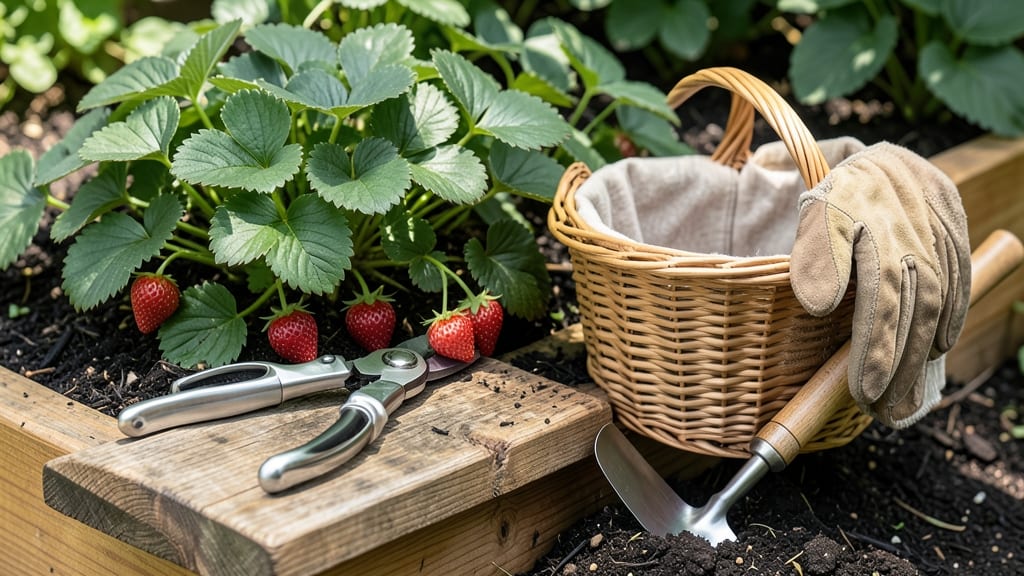
Harvesting strawberries at their peak sweetness means knowing exactly when and how to pick them—because those bright red berries turn mealy in minutes if you wait too long.
Picture this: you’re reaching for the juiciest-looking 🍓, but it’s still hard as a marble. Or worse, you pull too hard and snag the plant. The key is timing—three simple signs tell you when they’re perfect, plus a trick to avoid damaging your strawberry patch while maximizing flavor.
Most gardeners miss the best window because they don’t check for the right texture or the subtle scent that signals ripeness. I’ve learned the hard way—overripe berries on the vine attract pests, and underripe ones taste bland.
But with the right approach, you’ll turn every harvest into a sweet, easy success.
In this guide, I’ll walk you through the exact steps to pick strawberries like a pro, including the best time of day for flavor, how to handle them without harming the plant, and storage tips to keep them fresh for days. Ready to turn your patch into a berry bonanza?


3 Visual signs your strawberries are perfectly ripe for picking
There's nothing worse than biting into a strawberry that's either underripe and tart or overripe and mushy. Knowing the exact moment to harvest ensures you get juicy, sweet berries packed with flavor.
The secret lies in three key visual cues that tell you when your strawberries are ready to pick—no guesswork required!
First, let's address a common mistake: picking strawberries based on size alone. A large berry isn't always ripe, and a small one might be perfect. Instead, focus on these three visual and tactile signs that guarantee sweetness. Mastering these will transform your harvest from hit-or-miss to consistently delicious.
I've learned through years of gardening that strawberries communicate their ripeness through subtle but unmistakable signals. The color shift, the texture change, and the stem's response to gentle pressure are all clues your plants are giving you.
Paying attention to these details means you'll never waste time harvesting berries that aren't ready.
-
1. Uniform Color
Look for berries with deep, consistent color—no green patches. For red varieties, this means a bright, even red hue from top to bottom. White or yellow varieties should be fully colored without any green. -
2. Slight Softness
Gently squeeze the berry—it should feel firm but slightly yielding, like a ripe peach. If it's hard, it's not ready; if it's mushy, it's past its prime. The ideal texture is a gentle give when pressed with your thumb. -
3. The 'Tug Test'
Grasp the berry and give it a gentle tug. If the stem snaps cleanly near the base, it's ready. If it resists or pulls away with the fruit still attached, wait another day. This test ensures you're picking at peak ripeness.
Let me share a personal tip: I always harvest my strawberries in the morning after the dew has dried. This is when the berries are at their coolest and firmest, making them easier to handle and less prone to bruising.
The cooler temperatures also help preserve their flavor longer once picked.
Another pro trick is to harvest every 2-3 days during peak season. This might seem counterintuitive—why pick ripe berries if more are coming?—but it actually encourages the plant to produce more fruit.
When you remove ripe berries, the plant redirects its energy to developing new ones, resulting in a longer and more abundant harvest.
Avoid the temptation to harvest based on calendar dates or plant age. Strawberries ripen based on their own internal cues, not an external schedule. Even within the same plant, berries can ripen at different times, so check them individually.
This is especially true for everbearing varieties, which produce fruit in multiple flushes throughout the season.
One common mistake I see is waiting until strawberries are fully detached from the plant. By then, they're often overripe and prone to rotting. The tug test is your best friend here—it lets you pick berries at the perfect moment before they detach naturally.
This small difference makes a huge impact on flavor and storage life.
Finally, resist the urge to harvest after a hot day or heavy rain. Berries picked in these conditions are more likely to be waterlogged or sun-scorched, which affects their texture and taste.
Always aim for cool, dry mornings for the best results. This simple habit has saved me from countless disappointments in the past.
With these three visual signs mastered, you'll never second-guess when to harvest your strawberries again. The combination of color consistency, gentle texture, and the stem's response to the tug test is all you need to know you're picking at peak perfection.
Best time of day and seasonal harvesting tips for maximum flavor
Timing your strawberry harvest can transform mealy, bland fruit into bursting-sweet, juicy gems. The best time of day to pick is early morning, when temperatures are cool and sugars have had all night to concentrate.
This is when your berries will be at their peak sweetness and firmness.
Seasonal variations also play a crucial role. Strawberries grown in cooler spring months develop more complex flavors compared to those ripening under hot summer sun. In warmer weather, harvest slightly earlier in the day to avoid sunburned or overly soft berries.
Understanding these patterns helps you plan for the flavor-richest harvests.
Temperature matters too—ideal harvesting temps range between 55°F and 75°F. Below 55°F, berries may develop chilling injuries, while above 75°F, they can become overly soft and prone to spoilage. Always check the forecast before harvesting large batches.
| Day | Best Harvest Time | Ideal Temp Range | Flavor Tip |
|---|---|---|---|
| Monday | 6:00-8:00 AM | 55°F-65°F | Coolest part of week—peak sweetness |
| Wednesday | 7:00-9:00 AM | 60°F-70°F | Midweek harvest—balance of sweetness |
| Friday | 5:00-7:00 AM | 50°F-60°F | Early harvest prevents heat damage |
| Sunday | 6:30-8:30 AM | 65°F-75°F | Weekend harvest—best for storage |
For continuous production, I recommend harvesting every 2-3 days during peak season. This prevents overripe berries from rotting on the vine and signals the plant to produce more. Use a 7-day rotating schedule—pick one section of your bed each day to maintain even ripening across your patch.
Seasonal adjustments are key: In spring, harvest morning and evening to avoid late-frost damage, while in summer, stick to early mornings to prevent heat stress. Always carry a small cooler with ice packs to store freshly picked berries until you can process them.
Pro tip: If you notice uneven ripening in your patch, it may indicate inconsistent sunlight exposure. Prune nearby foliage to improve air circulation and even out sugar development across all berries. This simple step can dramatically improve your overall harvest quality. ☀️