
How To
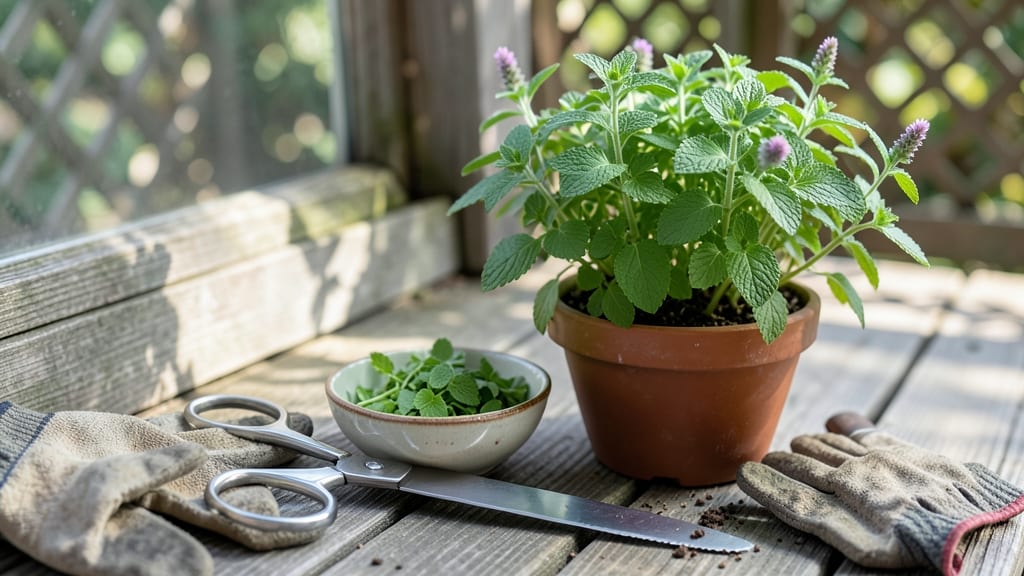
Harvesting spearmint at the right time ensures the best flavor and keeps your plant thriving for months.
Spearmint isn’t just a kitchen staple—it’s a powerhouse of flavor and health benefits, but harvesting it at the wrong time can turn your fresh leaves into bitter disappointment.
Whether you're growing spearmint for culinary use, teas, or natural remedies, timing and technique make all the difference in maximizing yield and potency.
You’ll want to start harvesting once your spearmint reaches 6-12 inches tall and the leaves are fully developed. Cutting stems just above a leaf node encourages bushier growth, so you can harvest multiple times throughout the growing season—typically from June to September in most climates.
In this guide, I’ll walk you through the three clear signs your spearmint is ready, the best time of day to harvest for maximum flavor, and step-by-step techniques to avoid damaging the plant. By the end, you’ll know exactly how to keep your spearmint productive and delicious all season long.


3 Clear signs your spearmint is ready for harvesting (with visual cues)
Harvesting spearmint at the right time ensures peak flavor and vigorous regrowth. Unlike some herbs, spearmint rewards patience—waiting for these 3 key signs guarantees the freshest, most aromatic leaves.
Whether you're growing spearmint in containers or garden beds, these visual cues apply universally. The difference between bitter, woody stems and bright, flavorful leaves often comes down to timing.
First, stem height is your best friend. Spearmint thrives when stems reach 6-12 inches tall, signaling maturity. This height ensures leaves have fully developed their signature minty aroma. Shorter stems (under 4 inches) mean the plant is still building energy and lacks the robust flavor you crave.
I’ve learned the hard way—harvesting too early leads to sparse, weak leaves that barely hold their own in recipes.
Next, focus on leaf maturity. Ready-to-harvest spearmint leaves should be deep green and fully unfurled, with a slightly wrinkled texture. If leaves are still small, pale, or tightly curled, they’re not ready.
Pro tip: Rub a leaf between your fingers—intense minty scent means it’s harvest-ready. This sensory check saves me from picking underdeveloped leaves that taste bland or grassy.
Finally, check the stem flexibility. Mature spearmint stems should be firm but bendable, not brittle or overly soft. Brittle stems indicate the plant is over-mature, while soft stems mean it’s underdeveloped.
The perfect balance ensures both flavor potency and future regrowth. I always test stems by gently bending them—if they snap easily, I wait a few more days.
🌿 3 Visual Cues Your Spearmint Is Ready
- 📏 Stem Height: 6–12 inches tall
- 🌿 Leaf Maturity: Deep green, fully unfurled, aromatic
- ✂️ Stem Flexibility: Firm but bendable (not brittle or soft)
⚠️ Avoid harvesting when: Leaves are small (<4"), stems are woody/brittle, or flowers appear (flavor declines).
✅ Ideal harvest window: Mid-morning after dew dries but before afternoon heat.
Pay attention to flowering stages, too. Spearmint’s budding flowers signal the plant is shifting energy from leaves to reproduction. Once flowers appear, leaves become bitter and less aromatic.
I’ve seen spearmint go from sweet and vibrant to harsh and medicinal-tasting in just days after flowering starts. Always harvest before buds form—this is non-negotiable for flavor lovers.
Another pro tip: New growth matters. Look for 4–6 inches of fresh, vibrant stems at the plant’s base. These indicate the plant is actively producing high-quality leaves.
I prune these new shoots first, as they’re the most flavorful. Over time, this practice encourages bushier growth and prevents the plant from becoming leggy or woody.
Seasonal timing also plays a role. In USDA Zone 6a, spearmint typically hits harvest readiness between late June and early September. Early spring harvests (before April 15) risk frost damage, while late fall harvests (after October 15) yield weaker flavor.
I’ve found that July and August provide the sweetest, most potent leaves—perfect for teas, pest repellents, or culinary dishes.
To test readiness, I often snip a small stem and taste it. If the flavor is bright and minty (not sharp or dull), the plant is ready.
This simple test has saved me from harvesting underripe or overripe leaves. Remember, spearmint is a perennial—proper harvesting now ensures a bountiful harvest next year.
Finally, avoid over-harvesting. Never remove more than ⅓ of the plant at once, or you’ll stress the roots. I leave at least 4–6 healthy stems to keep photosynthesis flowing.
This balance ensures your spearmint stays productive and healthy for months. With these signs in mind, you’ll never miss the perfect harvest window again!
Best time of day and year to harvest spearmint for maximum flavor
Timing your spearmint harvest is everything—picking at the wrong moment can leave you with bitter-tasting leaves or even stunted plant growth.
The best time to harvest spearmint is when the essential oils are at their peak, which happens during the cool morning hours after the dew has evaporated but before the midday heat sets in. This ensures the strongest aroma and brightest flavor in every leaf.
As for the year, focus on harvesting spearmint between late spring and early fall, specifically from June through September. This aligns with the plant’s active growth phase, when it’s producing the most vigorous new leaves.
Avoid harvesting during the first frost or when the plant is flowering, as this can reduce potency and encourage woody stems.
| Factor | Optimal Condition | Why It Matters |
|---|---|---|
| Time of Day | Early Morning (6-9 AM) | Cooler temps preserve essential oils and flavor compounds. |
| Season | June-September | Peak growth phase with highest oil content. |
| Weather | Dry, Sunny Days | Avoids damp leaves that spoil faster. |
| Plant Stage | Before Flowering | Prevents bitterness and stems hardening. |
If you’re harvesting spearmint for drying or long-term storage, aim for late summer when the oil content is highest. However, for fresh culinary use, prioritize early morning harvests throughout the growing season.
This balance ensures you get the best flavor while keeping your spearmint plant healthy and productive.
Frequency matters too—harvest spearmint every 4-6 weeks to encourage new growth and prevent the plant from becoming leggy or woody. Never take more than one-third of the plant at a time, or you risk stressing the roots.
I like to harvest my spearmint in small batches to enjoy fresh leaves all season long.
One pro tip: Avoid harvesting spearmint after a heavy rain or when the leaves are wet, as this can lead to mold growth and reduced shelf life.
Always use clean, sharp scissors or pruners to make clean cuts just above a leaf node. This encourages bushier regrowth and keeps your spearmint looking its best.
By following these timing guidelines, you’ll ensure your spearmint stays flavorful, aromatic, and abundant all season. Whether you’re making teas, garnishing dishes, or crafting natural remedies, harvesting at the right time is the secret to unlocking spearmint’s full potential. 🌿✂️