
How To
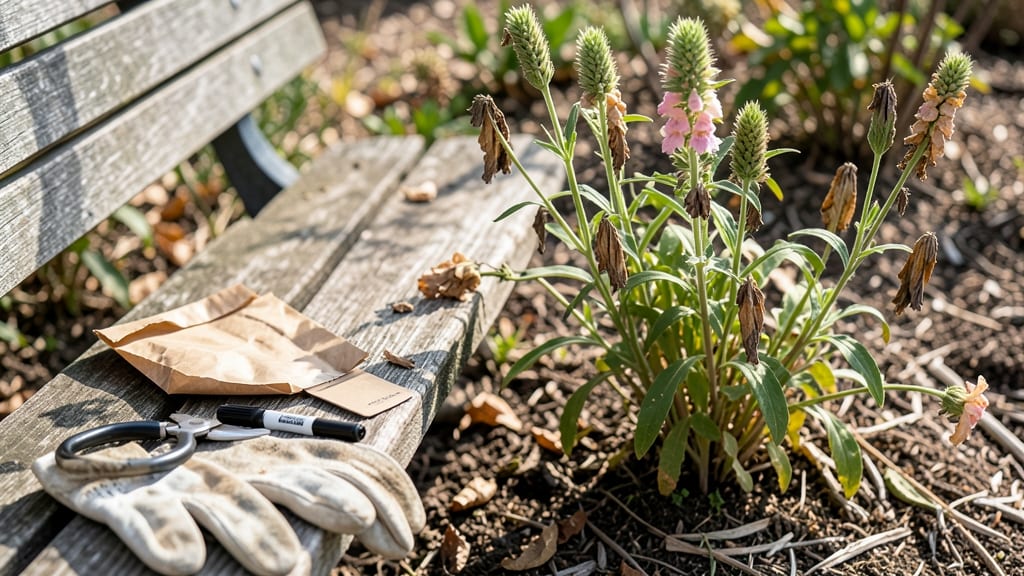
Harvesting snapdragon seeds at the right time ensures you save vibrant blooms for next year’s garden—here’s how to spot the perfect moment.
Snapdragons aren’t just stunning garden flowers—they’re seed-saving goldmines, but only if you harvest their seeds at the perfect moment. Miss the window, and you’ll lose your chance to grow next year’s vibrant blooms—or worse, end up with self-seeded weeds where you don’t want them.
Look for seed pods that turn a dry, papery brown and begin to split open naturally. These pods are the key to viable seeds, and shaking them should release dark, mature seeds inside.
If you harvest too early, the seeds won’t be ready; too late, and they’ll scatter on their own.
In this guide, I’ll walk you through when to collect those pods, how to handle them gently, and the best way to store seeds for planting next spring. By the end, you’ll know exactly what to watch for—and how to avoid common mistakes that waste your hard work.


When to harvest snapdragon seeds: identifying the right pod stage
Harvesting snapdragon seeds at the wrong time means losing viable seeds or dealing with self-seeded weeds next season. The key is watching for brown, papery seed pods that naturally begin to split open. These pods signal that the seeds inside are fully mature and ready for collection.
Snapdragons typically produce seeds 60-120 days after planting, depending on your USDA climate zone. In cooler zones like 6a, pods mature later in the season—often between July and September—while warmer climates may see earlier readiness. Always check pods before the first frost to avoid losing your harvest.
Don’t rely solely on timing—visual cues are your best guide. Start by looking for pods that have turned from green to brown and feel dry and crispy to the touch. A simple shake test can confirm readiness: if the pod rattles with seeds inside, it’s time to harvest.
| Pod Stage | Color | Texture | Harvest Ready? | Action |
|---|---|---|---|---|
| Early Stage | Green | Firm, moist | No | Wait 4-6 weeks |
| Mid Stage | Green-brown | Slightly dry | No | Monitor daily |
| Mature Stage | Brown | Papery, dry | Yes | Harvest immediately |
| Overripe Stage | Dark brown | Crumbly | No | Seeds may scatter |
One of the easiest ways to confirm readiness is the pop test. Gently squeeze a mature pod—if it pops open and releases seeds, it’s time to harvest.
If the pod resists or doesn’t release seeds, wait 2-3 more days and check again. Overripe pods can scatter seeds unpredictably, reducing your yield.
Distinguishing viable seeds from duds is simple once you know what to look for. Viable snapdragon seeds are dark brown to black and plump, while non-viable seeds appear light-colored or shriveled.
To test viability, place a few seeds in a glass of water—viable seeds will sink, while empty or damaged seeds float.
Climate plays a huge role in timing. In warmer zones (8a-10a), pods may mature as early as June, while in cooler zones (3a-5a), you might not see readiness until late August or September.
Always prioritize harvesting before frost, as freezing temperatures can kill seeds still in the pods.
If you’re unsure whether a pod is ready, err on the side of caution. Harvesting just before pods fully split open gives you the best chance of collecting high-quality seeds.
Use a pair of clean scissors or pruners to snip pods at the stem, then lay them on a paper towel to dry completely before processing.
Pro tip: Label your seed pods with the variety name and harvest date using a waterproof marker. This helps track which seeds are best for future planting and ensures you don’t mix varieties. Store labeled pods in a cool, dry place until you’re ready to process them.
Remember, snapdragon seeds can remain viable for 2-3 years if stored properly, so don’t rush the harvest. Patience pays off with healthier plants and more vibrant blooms next season. Happy harvesting!
Step-by-step snapdragon seed harvesting: from pod to storage
Once your snapdragon plants have finished blooming, those brown seed pods become your next gardening treasure. But timing is everything—harvest too early, and you’ll get moist, unviable seeds.
Wait too long, and the pods will burst open, scattering seeds everywhere. With the right approach, you’ll collect high-quality seeds ready for next year’s garden.
Start by gathering your harvesting tools: a pair of gardening gloves (to protect your hands from prickly pods), small brown paper bags (for easy seed collection), and a sharp pair of scissors.
Work on a dry, sunny day to prevent humidity from ruining your seeds. Avoid harvesting after rain, as damp pods can mold or attract pests.
How to Harvest Snapdragon Seeds
- 1 Identify ripe pods: Look for brown, dry pods that feel papery to the touch. Gently squeeze—if they rattle with seeds inside, they’re ready. Avoid green or firm pods, as seeds won’t be mature.
- 2 Harvest carefully: Use scissors or fingers to snip or pinch off pods at the stem. Place them directly into your paper bag to prevent seed loss. If pods burst open, collect seeds immediately with a small tray or your hands.
- 3 Dry the pods: Spread pods on a clean, dry surface (like a baking sheet) in a warm, dry place for 1–2 weeks. Avoid direct sunlight, which can overheat and damage seeds. Stir occasionally to ensure even drying.
- 4 Extract the seeds: Once pods are completely dry, crush them gently with your fingers or a rolling pin over the paper bag. Dark, plump seeds are viable—discard any chaff or debris. Sift through seeds to remove empty husks or damaged ones.
- 5 Store properly: Transfer seeds to a labeled envelope or airtight container with a silica gel packet to absorb moisture. Store in a cool, dark place (like a fridge) for up to 3–5 years. Label with the variety name and harvest date.
Avoid these common mistakes that can ruin your seed harvest: harvesting when pods are still green or moist, leaving pods on the plant too long (they’ll scatter seeds uncontrollably), or storing seeds in humid conditions. Even a slight delay can turn your viable seeds into moldy messes.
With this method, you’ll end up with clean, dry seeds ready to plant next spring. Share extras with fellow gardeners or save them for your own heirloom varieties. Happy harvesting—your future snapdragons will thank you!