
How To
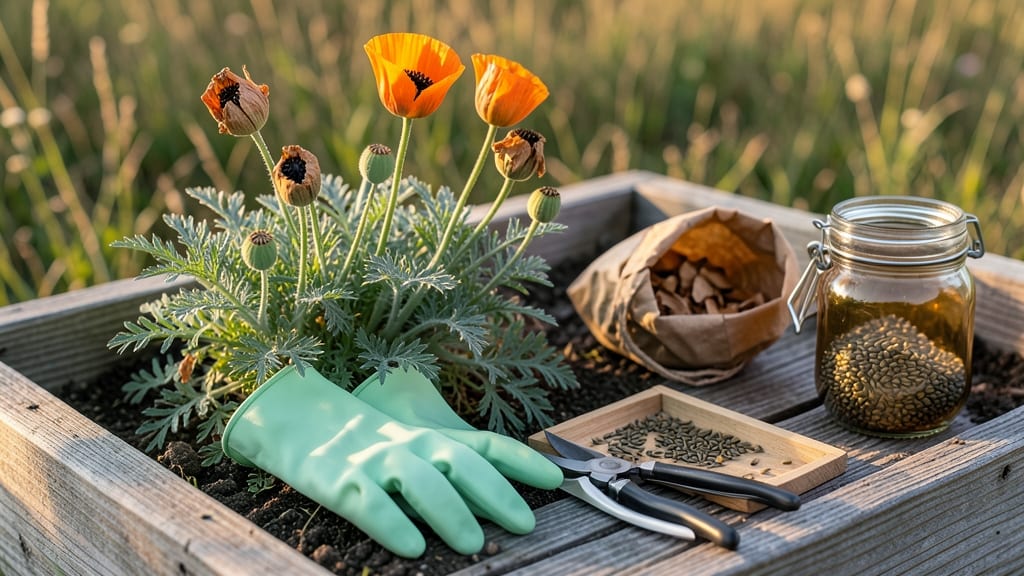
Harvesting poppy seeds for planting is all about timing—wait until the pods turn brown and dry, but before they crack open and scatter their treasure to the wind.
Poppy seeds are nature’s tiny treasure—harvesting them at the right time ensures a bountiful supply for next year’s garden, but timing is everything. One wrong move, and you’ll lose your seeds to birds or weather. Here’s how to master the art of harvesting poppy seeds like a seasoned gardener.
You’ll know the pods are ready when they rattle like a dried-up maraca and turn a deep brown. If you wait too long, they’ll split open on their own, sending seeds flying. The key is to collect them just before nature does the job for you.
In this guide, I’ll walk you through every step—from spotting the perfect pods to drying, storing, and saving your seeds for planting next spring. No more wasted seeds or missed opportunities!


When and how to know poppy pods are ready for seed harvesting
Harvesting poppy seeds at the perfect moment means the difference between a bountiful seed stash and a lost opportunity. Poppies mature quickly, and their pods can split open in 24 hours once ripe.
Miss the window, and you’ll watch your seeds scatter to the wind or become a bird buffet. Timing your harvest correctly ensures you collect viable, high-quality seeds for next year’s garden.
Most poppy varieties—like California poppies and opium poppies—reach seed maturity between late spring and early summer, typically 75-90 days after planting. However, seasonal timing varies based on your USDA zone and local climate.
In cooler regions (Zone 6a), aim for May to early June, while warmer zones may see harvests as early as April.
Here’s the visual checklist I use to determine ripeness:
- Color change: Pods shift from green to dry brown—no green patches remain.
- Texture: They feel papery and brittle, not firm or moist.
- Sound test: Shake a pod over a white surface—seeds should rattle loudly inside.
- Opening test: Gently pinch the pod—it should split open easily to reveal dark, plump seeds.
Avoid these common harvesting mistakes that waste your seeds:
- Premature harvesting: Green pods mean immature seeds that won’t germinate. Wait until pods are fully brown.
- Overripe pods: If pods split open naturally, seeds are already scattered. Harvest just before they crack.
- Wet weather harvesting: Rain or dew makes pods sticky and prone to mold. Wait for dry, sunny days.
- Ignoring seed quality: Discard seeds that are shriveled, discolored, or hollow—they won’t sprout.
Different poppy varieties mature at slightly different rates. For example, Iceland poppies may take 60-75 days to reach seed stage, while opium poppies can take up to 90 days. Keep a planting journal to track your specific variety’s timeline.
If you’re unsure, harvest a few pods early as a test—if seeds are still white or soft, wait a few more days.
Once pods are ripe, act quickly but carefully. Use a small pruning shears or your fingers to snip the stem just below the pod. Place pods in a paper bag (not plastic—it traps moisture) and label them with the variety name and date.
Store them in a cool, dry place (like a seed tray) for 1-2 weeks to dry completely before processing.
Pro tip: If you’re harvesting large quantities, wear gardening gloves to protect your hands from the fine hairs on some poppy pods, which can irritate skin. Also, cover your work area with a white sheet to easily spot fallen seeds—poppy seeds are tiny and blend into dark surfaces!
🌸
Step-by-step guide to collecting poppy seeds without losing them
Harvesting poppy seeds at the perfect moment means the difference between a bountiful seed stash and empty pods. Once those dry seed heads crack open, seeds scatter like confetti—gone in seconds! The key is acting before nature does, using the right tools, and handling them gently to preserve viability.
I’ve learned the hard way that rushing or skipping steps leads to wasted seeds, so let’s do this right.
Start by gathering your supplies: thin gardening gloves (to protect your hands from prickly stems), a paper bag or breathable container (like a mesh bag), and a pair of sharp scissors or pruning shears. Avoid plastic bags—they trap moisture and cause mold.
Work on a dry, sunny day when humidity is low, as damp seeds won’t store well. Timing is critical: harvest when pods are brown and papery but haven’t split yet.
How to Harvest Poppy Seeds for Planting
-
Step 1: Identify Ready Pods
Look for dry, brown pods that rattle when shaken. Press gently—if they open slightly, they’re ready. Avoid green or firm pods (not ripe) or fully split ones (too late). -
Step 2: Cut Pods Carefully
Use clean scissors to snip the entire stem (about 2–3 inches below the pod). Place pods in your breathable container immediately to prevent seed loss. -
Step 3: Dry Indoors (Best Method)
Lay pods on a paper towel in a well-ventilated area (like a windowsill) for 3–5 daysg. Avoid direct sunlight—it can overheat seeds. Stir pods daily to ensure even drying. -
Step 4: Extract Seeds Gently
Once pods are completely dry and brittle, place them in a paper bag and crush them lightly with your hands. Seeds will separate easily. Sift through debris to remove stems or chaff. -
Step 5: Store Properly
Transfer seeds to an airtight container (like a glass jar) with a silica gel packet to absorb moisture. Label with the harvest date and store in a cool, dark place (like a pantry).
If you’re harvesting outdoors, cover pods with a mesh bag or cheesecloth to catch seeds as pods dry naturally. This works well for large patches but requires patience—some seeds may still escape.
For wildlife-prone areas, harvest early in the morning when birds are less active. Never leave pods unattended; they’ll vanish in minutes!
Pro tip: Test a few seeds before storing the whole batch. Place 10 seeds in a damp paper towel and check for sprouts in 7–10 days.
If 80% germinate, your batch is viable. Low germination? Try stratifying seeds (mixing them with damp sand and refrigerating for 2 weeks) to mimic winter conditions.
Poppy seeds stay viable for 2–3 years if stored correctly, but freshness is key for best results. Label your containers with the variety and harvest year to avoid confusion. Now you’re ready to grow next year’s vibrant poppy blooms from your own homegrown seeds! 🌸