
How To
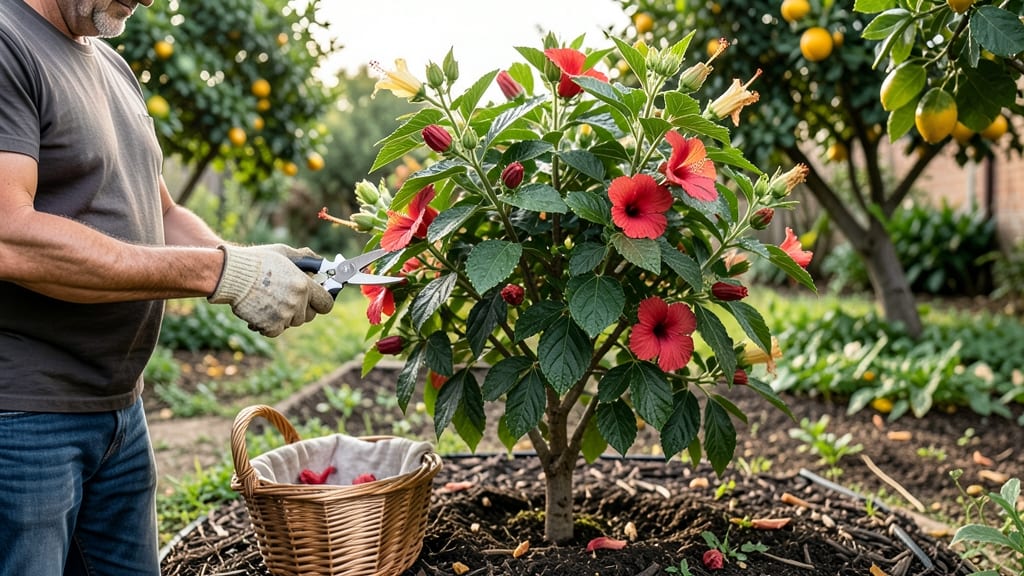
Harvesting roselle hibiscus calyces at the right time unlocks their bold, tangy flavor—critical for teas, jams, and stews—but one wrong move ruins the harvest.
Picture this: your 🌺 Roselle Hibiscus plants in USDA Zones 9-11 are lush and thriving, but those deep red or green calyces you’ve been eyeing? They’ll only stay perfect for 24 hours before turning bitter or falling apart.
Miss that window, and you’re left with a pile of overripe buds instead of the prized ingredient you planted for.
Timing isn’t the only trick—how you pick matters just as much. A sharp twist at the stem saves the plant and preserves the calyx’s texture, while a rough yank tears the delicate buds.
Below, I’ll walk you through the exact moment to harvest, the tools to use, and how to store your haul so it stays vibrant for weeks.
Whether you’re growing roselle for homegrown tea or culinary projects, these steps will turn your garden into a flavor factory. Let’s get those calyces at their peak—before they crack open on their own.


When to harvest roselle hibiscus calyces for optimal flavor and yield
Harvesting roselle hibiscus calyces at the right moment transforms your garden into a flavor factory. These edible buds pack a tart, cranberry-like tang when picked perfectly—either too early or too late, and you'll miss that prized citrusy depth in your teas or stews.
The key lies in watching for three critical visual cues: color, size, and texture, which I'll break down for both tropical and temperate climates.
For tropical regions (USDA Zones 9-11), your harvest window opens 6-8 months after planting, typically spanning March-May and again in August-September. In cooler climates, focus on late summer to early fall when temperatures stay above 60°F (15°C).
The ideal harvest time is before the calyces dry out on the vine—this ensures maximum flavor intensity and nutrient density.
🌱
| Harvest Stage | Visual Cues | Flavor Profile | Best For |
|---|---|---|---|
| Early (Not Ready) | Small, green calyx (<1 inch), hard texture, petals tightly closed | Mild, grassy taste, low acidity | Discard or compost |
| Perfect (Ready) | Deep red/green (2-3 inches), swollen, petals begin dropping, firm but yields slightly when pressed | Tangy, citrusy, high acidity | Teas, soups, jams |
| Overripe (Past Prime) | Dry, cracked calyx, darkened edges, petals fully fallen | Bitter, woody flavor | Dried teas only |
| Seasonal Timing | Tropical: March-May, Aug-Sept | Temperate: Late July-October | Peak flavor during cool mornings | Fresh or dried use |
Start by examining the calyx color—the edible part is the swollen bud beneath the petals. For red varieties, look for a deep crimson hue (like a ripe apple), while green varieties should turn a vibrant lime-green.
Size matters too: aim for calyces that are 2-3 inches long—any smaller, and they're underdeveloped; larger ones risk being overripe.
Texture is your third clue. A ready-to-harvest calyx feels firm yet slightly yielding when gently squeezed—like a ripe tomato. If it feels rock-hard, it's too early; if it's mushy or cracked, you've waited too long.
Pro tip: Twist the stem—it should snap cleanly at the base, indicating the calyx is mature and ready for picking.
🌸
Morning harvests yield the best flavor because calyces contain the most natural sugars after a night's rest. Avoid harvesting after rain or heavy dew, as moisture can dilute flavor and promote mold growth.
In tropical climates, you'll find two harvest peaks: spring (March-May) and late summer (August-September). For temperate gardeners, focus on late July through October, when daytime temps hover around 75-85°F (24-29°C).
Don't overlook the petal behavior—when the outer petals begin falling naturally, it's your final cue. This natural shedding signals the calyx has reached its peak ripeness.
If you see yellowing leaves or wilting stems on your plant, harvest immediately, as these are signs of stress or disease that can compromise flavor.
For maximum yield, harvest every 2-3 days during peak season. This frequent picking encourages your plant to produce more calyces rather than letting a few overripe. Remember: One perfect calyx beats three mediocre ones when it comes to flavor.
Store harvested calyces in the fridge for up to 5 days or dry them for long-term use—both methods preserve that tangy punch.
☀️
Step-by-step roselle harvesting technique to preserve quality
Harvesting roselle hibiscus calyces at the right moment ensures maximum flavor and minimizes waste. The key is to pick them when they're fully mature but still firm, typically 6-8 months after planting. Use a clean, sharp pair of pruning shears or your fingers to avoid damaging the plant's delicate stems.
Start your harvest on a dry morning when the calyces are crisp. This reduces moisture loss and helps prevent fungal growth. Always wear gloves if you're sensitive to plant sap, as roselle can cause mild skin irritation for some people.
- 1 Identify mature calyces: Look for fully swollen calyces that are deep red or green (depending on variety) and have drooping petals. They should feel firm but slightly soft when gently squeezed.
- 2 Use the right tools: Hold a clean basket or bucket beneath the calyx to catch it. Use pruning shears or your fingers to twist gently at the base of the calyx stem—avoid tearing the plant.
- 3 Handle with care: Grip the calyx by its base stem and twist gently until it separates cleanly. Never pull or yank—this can damage the plant and reduce future yields.
- 4 Inspect and discard: Remove any calyces that are overripe (shriveled) or damaged (bruised). Discard these immediately to prevent spoilage and pests.
- 5 Store properly: Place harvested calyces in a paper bag or breathable container to allow airflow. Store them in the refrigerator for up to 5 days or freeze them for long-term use.
After harvesting, clean your tools with rubbing alcohol to prevent cross-contamination. If you're processing the calyces immediately, rinse them briefly under cool water and pat dry with a paper towel to remove dirt without damaging their texture.
To maximize your yield, harvest every 2-3 days during peak season. Avoid harvesting more than one-third of the plant at once, as this can stress the roselle and reduce future production. Regular harvesting actually encourages more calyces to form!
Pro tip: If you notice yellowing leaves after harvesting, it’s a sign the plant needs more nutrients or water. Adjust your care routine to keep your roselle thriving for another season. 🌺