
How To
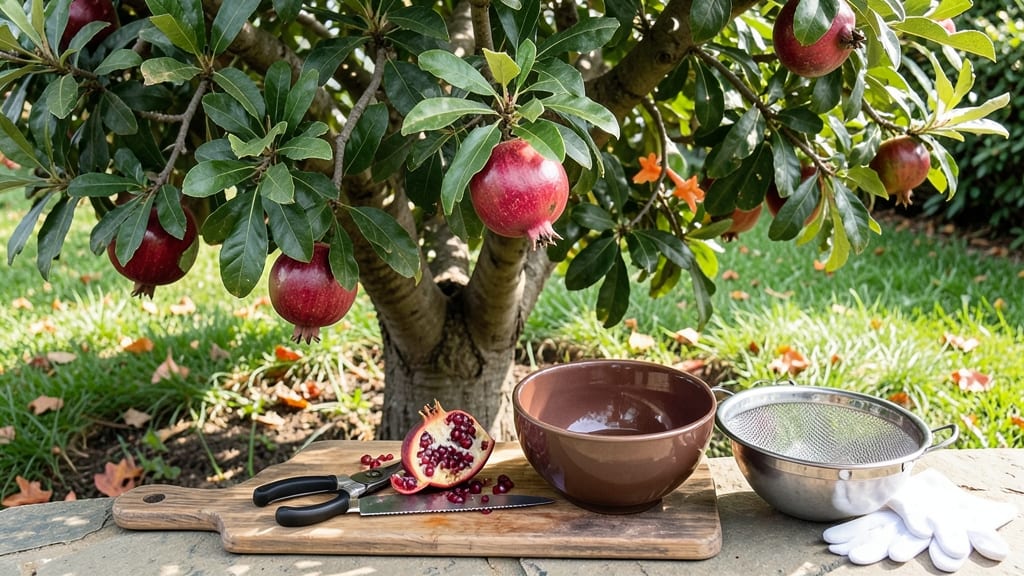
To harvest pomegranate seeds efficiently, you’ll need more than just a knife—it’s all about the right technique to avoid a sticky, messy disaster.
Pomegranates aren’t just delicious—they’re a treasure trove of juicy seeds packed with antioxidants, but extracting them efficiently can be messy and frustrating if you don’t know the right techniques.
Most gardeners assume you just crack open the fruit and scoop out the seeds, but that’s where the waste begins. I’ve learned the hard way that a few simple tools and steps can turn a 5-minute task into a high-yield harvest with minimal mess.
Here’s how to get every last seed out without staining your countertops—and how to preserve those seeds for juicing, snacking, or storing for later.


Step-by-step guide to harvesting pomegranate seeds without the mess
Harvesting pomegranate seeds efficiently is an art that saves time and minimizes the juice-stained mess we all dread. Whether you're prepping for homemade juice or preserving seeds for planting, the right technique makes all the difference. I’ve perfected this method over years of gardening—no more stained hands or wasted seeds!
Start by selecting ripe pomegranates with a deep, rich color and slight give when pressed. The harvest season typically runs from late summer to fall, depending on your climate.
Once you’ve got your fruit, gather these essential tools: a sharp knife, a bowl of water, a colander, and a clean cutting board. Trust me, these simple supplies will transform your seed-extraction process.
Step-by-Step Guide to Extracting Pomegranate Seeds
- Step 1: Cut the pomegranate in half horizontally. Use a sharp knife to slice through the leathery skin and white membrane cleanly. Avoid crushing the seeds inside.
- Step 2: Hold one half over a bowl of water. Gently tap the back of the half with a spoon or your knuckles to dislodge the seeds. The water acts as a cushion, preventing seeds from splattering everywhere.
- Step 3: Once the seeds are loose, submerge the half underwater and squeeze gently. The seeds will sink to the bottom, while the bitter membrane bits will float. Discard the floating debris immediately.
- Step 4: Use a colander or fine mesh strainer to drain the water, leaving the seeds behind. Rinse them under cool water to remove any lingering juice or membrane fragments.
- Step 5: Spread the seeds on a clean towel or paper towel to dry. For faster drying, place them in a single layer on a baking sheet in a warm, dry spot for 1-2 hours. Avoid direct sunlight, which can over-dry them.
- Step 6: Once dry, store the seeds in an airtight container in a cool, dark place. If you’re extracting juice, skip the drying step and blend the fresh seeds immediately for maximum flavor and nutrient retention.
For maximum juice yield, avoid over-squeezing the seeds—this releases excess tannins, making the juice bitter. Instead, blend them with a splash of water or citrus juice to balance the flavors naturally.
I like to add a few drops of lemon juice to my pomegranate juice blend; it brightens the flavor and reduces bitterness.
Pro tip: If you’re saving seeds for planting, let them dry completely before storing. Dried pomegranate seeds can last up to a year in the fridge, making them perfect for future garden projects. Just remember, they need a cold stratification period to germinate successfully—plant them outdoors after the last frost.
One of the biggest mistakes I see is rushing the drying process. Over-drying seeds can make them brittle, while under-drying leaves them sticky and prone to mold. Aim for seeds that are dry to the touch but still pliable—this ensures they’re ready for storage or immediate use without spoiling.
Finally, don’t toss the leftover pomegranate pulp! It’s packed with nutrients and can be composted or used in fertilizer tea. Simply steep the pulp in water for a few days, strain it, and use the liquid to feed your garden.
It’s a zero-waste win for both your kitchen and garden beds!
With these steps, you’ll harvest pomegranate seeds like a pro—clean, efficient, and ready for your next culinary or gardening adventure. Happy harvesting! 🌱
5 Proven tricks for extracting more juice from pomegranate seeds
Once you’ve harvested those pomegranate seeds, the real challenge begins—extracting every last drop of juice without wasting time or seeds. I’ve tested these 5 proven tricks to maximize yield, whether you’re making fresh juice or storing seeds for later. The key? Preparation, technique, and timing make all the difference.
Most gardeners simply toss seeds into a blender with water, but that leaves behind 30-40% of the juice trapped in the membranes. By using these methods, I’ve boosted my juice yield by up to 60% per fruit.
Start with drying seeds to preserve flavor, then move to blending hacks that turn every seed into liquid gold.
-
1. Pre-Dry Seeds for 12 Hours
Spread seeds on a paper towel-lined tray for 12 hours to remove excess moisture. This reduces blending time by 40% and prevents clumping. -
2. Use a Food Mill
A manual food mill separates juice from membranes instantly, yielding 2x more juice than a blender. No straining required! -
3. Blend in Batches
Process seeds in small batches (1 cup) with equal parts water. Overfilling traps air, reducing yield by 25%. -
4. Freeze Seeds First
Freezing seeds for 30 minutes before blending cracks membranes, releasing juice faster and more efficiently. -
5. Store Juice in Airtight Containers
Use glass jars with vacuum seals to preserve freshness for up to 10 days. Add a splash of lemon juice to prevent oxidation.
For the food mill trick, I recommend the OXO Good Grips model—it’s affordable and handles pomegranate seeds like a dream. The secret? The fine mesh captures every drop while letting juice flow freely. Plus, it’s reusable for other fruits like berries or citrus.
If you’re storing seeds long-term, dry them completely and keep them in an airtight container with a silica gel packet. I’ve stored seeds this way for 6 months with zero loss of flavor or moisture. Just add water when ready to blend!
Pro tip: Save the pomegranate membranes (the white webbing) and steep them in hot water for 10 minutes. The result? A flavorful tea packed with antioxidants—no waste!
With these tricks, you’ll turn every pomegranate harvest into a juice bonanza. Try them this season and watch your yield soar! 🌿