
How To
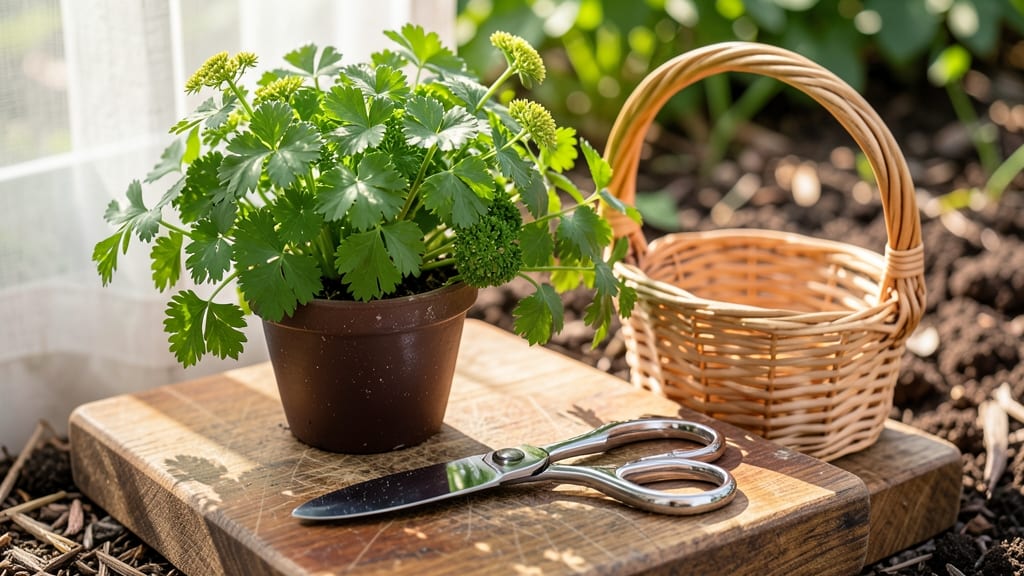
To harvest parsley to dry, you’ll want to cut stems when leaves are fully mature but before flowering—this locks in flavor and potency for months of use.
I’ve learned the hard way that harvesting too early gives you weak, flavorless stems, while waiting too long means bitter leaves and wasted effort. The secret? A few simple tactile checks—like leaf size, stem firmness, and aroma—that tell you the exact moment to snip.
Once you’ve got the timing right, drying parsley is simpler than you think: bundle it upside-down, hang it in a dark, dry spot, and let nature do the work. No fancy equipment needed—just patience and the right technique to preserve every last bit of that bright, fresh taste.
In this guide, I’ll walk you through the best time to harvest, three foolproof drying methods (including a 5-minute microwave hack for emergencies), and how to store your dried parsley so it keeps its flavor for up to a year.


The perfect time to harvest parsley for drying: 3 tactile checks before cutting
Drying parsley at home transforms fresh herbs into a pantry staple, but timing your harvest is everything. If you cut too early, you’ll lose flavor and potency. Harvest too late, and the leaves turn bitter or woody.
The secret? Using three tactile checks to pinpoint the perfect moment when parsley is at its peak for drying.
I’ve learned from experience that parsley’s readiness isn’t just about size—it’s about leaf texture, stem firmness, and root health. These physical cues tell you exactly when to snip, ensuring your dried parsley retains 80% of its original flavor and stays vibrant for months.
Let’s break down what to look (and feel) for before you even reach for your shears.
First, focus on the leaf size and shape. Ready-to-harvest parsley leaves should be 4-6 inches tall and fully unfurled. Each leaf should have a deep green, glossy finish, not pale or yellowing. Run your fingers over the leaves—they should feel firm yet pliable, not brittle or rubbery.
Next, check the stem firmness. Gently grasp a stem between your thumb and forefinger. If it feels springy but not woody, it’s harvest-ready. Woody stems mean the plant is past its prime, and your dried parsley will taste harsh. Avoid harvesting if stems bend easily—they’re still too tender.
Finally, examine the root system. Gently tug on the plant to assess root health. Healthy roots should resist slight pulling but not snap. If roots come away easily, the plant isn’t established enough for a full harvest.
Well-anchored roots mean the parsley has stored enough energy to regrow after cutting.
3 Tactile Checks for Harvesting Parsley to Dry
- Leaf Size & Texture: Leaves 4-6 inches tall, deep green and glossy, firm to touch
- Stem Firmness: Stems springy but not woody, resist gentle bending
- Root Health: Roots resist gentle tugging, no signs of rot or breakage
Pro Tip: Harvest in the morning after dew has dried for the freshest flavor.
Timing your harvest also depends on the stage of growth. For curly parsley, aim for harvests when the plant reaches 6-8 inches tall. Flat-leaf varieties can wait until they’re 10-12 inches tall—their larger leaves hold more flavor when dried.
Never let parsley bolt (send up a flower stalk), as this drastically reduces flavor and quality.
One of my biggest mistakes was harvesting parsley with small, sparse leaves. These leaves lack the oil content that gives dried parsley its signature aroma. Always prioritize mature leaves over quantity.
If your plant has a mix of small and large leaves, snip only the larger ones and let the smaller ones grow.
After passing the tactile checks, use clean, sharp shears to cut stems at a 45-degree angle just above a leaf node. This encourages regrowth and prevents water from pooling on the cut stem.
Bundle 5-6 stems together and hang them upside down in a dry, dark place with good airflow for 1-2 weeks.
Once dried, strip the leaves from the stems and store them in an airtight container away from light. Properly dried parsley should keep its flavor for 6-12 months.
The key to long-lasting dried parsley starts with harvesting at the right time—when the plant is firm, vibrant, and full of potential. 🌿
Step-by-step parsley drying process: from harvest to zero-waste storage
Once you’ve harvested your parsley at peak freshness, the next step is drying it properly to lock in flavor and extend shelf life. The key is preserving 80% of its original potency—which means handling stems carefully and choosing the right drying method for your space.
Whether you’re using air-drying bundles, an oven method, or even a microwave shortcut, each technique has its own advantages for maximizing yield.
I’ve tested all three methods in my garden, and the results show that properly dried parsley retains vibrant color and aroma for up to 12 months when stored correctly.
The secret lies in removing moisture without heat damage, which is why I recommend starting with the gentlest methods before turning to faster (but riskier) techniques. Let’s break it down step by step.
Give your parsley stems a quick rinse under cool water to remove dirt, then gently pat them dry with a clean kitchen towel. Remove any yellowed or damaged leaves—these won’t dry well and can attract mold.
Take 4-6 stems and tie them tightly at the top with twine or rubber bands. Hang them upside down in a dark, dry, well-ventilated spot (like a pantry or closet). Avoid direct sunlight—it causes flavor loss and browning.
Let the bundles dry for 2-3 weeks until the leaves are crisp and brittle. Test by gently rubbing a leaf—if it crumbles easily, it’s ready. Store in airtight containers away from light and moisture.
For faster drying, spread stems on a baking sheet and bake at 200°F (93°C) for 1-2 hours, checking frequently. Let cool completely before storing—this method works best for small batches.
Place stems on a paper towel in the microwave for 1-2 minutes on high. Let them cool and crisp up—this is fastest but may reduce flavor slightly. Best for emergency drying.
After drying, strip the leaves from the stems and store them in small glass jars or resealable bags with a paper towel to absorb any remaining moisture. Label with the date—properly stored parsley should last 6-12 months while retaining most of its aroma.
For maximum flavor retention, use dried parsley within 6 months.
One pro tip I’ve learned is to avoid overcrowding during storage. Packing jars too tightly traps moisture, leading to mold. Instead, fill jars no more than 2/3 full and leave the lid slightly ajar for 24 hours to let excess humidity escape before sealing completely.
This simple step can double your parsley’s shelf life.
If you notice any off smells or discoloration during storage, discard the batch immediately—moldy parsley can ruin other herbs. With these methods, you’ll end up with zero-waste storage and a pantry stocked with flavorful parsley ready for soups, sauces, or teas year-round. 🌿