
How To
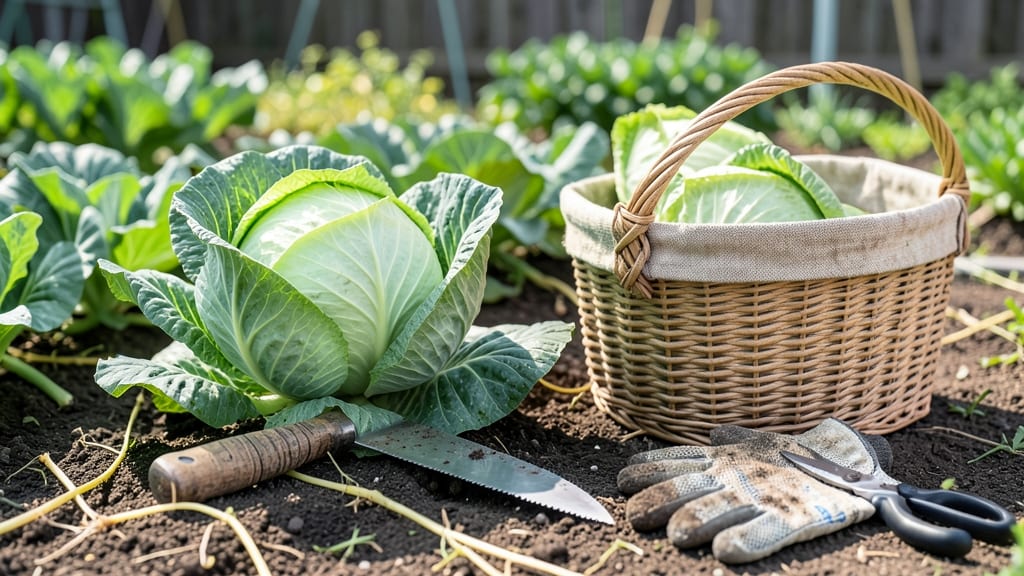
To harvest iceberg lettuce at its crispest, you’ll want to cut it when the outer leaves are fully formed and the head measures 4-6 inches wide—any later and the texture turns bitter.
Picture this: you’ve nurtured your 🥬 for weeks, and now it’s time to reap the rewards—but one wrong move can turn that perfect head into a sad, wilted mess. The secret? A simple crispness test and knowing exactly when to make the cut.
In this guide, I’ll walk you through the ideal timing, the tools you need, and even a trick to keep your lettuce crunchy for days after harvest. No more guessing—just restaurant-quality texture every time.
You’ll also learn how to avoid common mistakes, like harvesting too late or mishandling the leaves, that can ruin your lettuce’s freshness. Let’s get started!


The perfect timing and crispness test for harvesting iceberg lettuce
Harvesting iceberg lettuce at the right moment transforms your garden into a crisp, refreshing goldmine. Timing is everything—wait too long, and you risk woody stems and bitterness, while harvesting too early means sacrificing flavor and yield.
The key lies in balancing leaf maturity, head size, and weather conditions to ensure that signature crunch.
Iceberg lettuce typically reaches harvest readiness between 50 and 80 days after planting, but visual cues matter more than days alone. Look for tightly packed leaves that form a compact, 4-6 inch diameter head.
The outer leaves should be fully developed and vibrant, signaling that the inner leaves are also at peak crispness. Ignoring these signs often leads to overmature heads that lose their delicate texture.
| Harvest Cue | Description | Action |
|---|---|---|
| Leaf Age | Outer leaves fully formed, inner leaves crisp | Harvest when outer leaves are 6-8 inches long |
| Head Size | Compact, firm head (4-6 inches diameter) | Avoid harvesting heads larger than 6 inches |
| Weather | Cool temperatures (50-70°F), no frost | Harvest in morning after dew dries |
| Crispness Test | Stem snaps cleanly when bent slightly | Gently bend outer leaves—no bending = overripe |
| Avoid Bitterness | No yellowing leaves or loose head | Harvest before leaves yellow or head loosens |
Weather plays a surprising role in determining the best harvest window. Cool temperatures between 50-70°F enhance sweetness and crispness, while heatwaves above 80°F trigger bolting—the process where lettuce sends up a flower stalk, ruining texture.
If your region experiences sudden heat spikes, harvest earlier to avoid this common pitfall. Morning harvests also yield the best results, as dew-free leaves are easier to handle and cleaner to store.
My go-to trick for verifying crispness is the tactile test: gently bend an outer leaf near the base. If it snaps cleanly with a slight resistance, your lettuce is ready. A bend without a snap means it’s still maturing, while a leaf that bends too easily signals overripeness.
This simple test saves me from harvesting heads that are either too tough or too loose—both of which ruin the dining experience.
For continuous harvests, consider the cut-and-come-again method. Instead of pulling the entire head, snip the outer leaves at the base, leaving the inner core intact. This encourages regrowth and extends your harvest window by 2-3 weeks.
Just be sure to leave at least 2-3 inches of the inner leaves to prevent stress on the plant. This method works best with younger heads (under 4 inches) that haven’t fully compacted.
One of the biggest mistakes gardeners make is ignoring the head’s compactness. A loose or irregularly shaped head often means the lettuce is overmature and developing woody stems. To avoid this, monitor your plants daily during the final 2 weeks before expected harvest.
If you notice leaves yellowing or the head loosening, it’s time to harvest immediately—even if the head isn’t perfectly sized.
Seasoned gardeners swear by harvesting iceberg lettuce in fall or spring, when days are shorter and temperatures are mild. Summer harvests are possible but require extra attention to shade and watering to prevent bolting.
If you’re growing iceberg in containers, be extra vigilant—potted plants often mature faster due to warmer soil temperatures, so check them daily during peak growing months.
Pro tip: Use a sharp knife or pruning shears for clean cuts that minimize damage to the plant. Avoid pulling leaves by hand, as this can uproot younger plants or leave jagged edges that invite pests.
After harvesting, store your iceberg in the crisper drawer of your fridge, wrapped in a damp paper towel to retain moisture—this keeps it crisp for up to 2 weeks.
When in doubt, harvest a little early. Iceberg lettuce’s flavor and texture degrade quickly after reaching peak ripeness, so prioritize crispness over size. Your taste buds—and your dinner guests—will thank you for the perfect harvest.
Step-by-step harvesting techniques to preserve iceberg lettuce’s crunch
Harvesting iceberg lettuce at the right time and with the proper technique ensures maximum crispness and flavor. Unlike loose-leaf varieties, iceberg forms a tight head, so you’ll need to remove the entire head or outer leaves carefully to encourage regrowth or preserve the whole head.
The key to maintaining that restaurant-quality crunch lies in how you handle the harvest. Using the wrong tools or timing can turn your crisp lettuce into a limp, bitter mess. I’ve found that a sharp knife and a 10-minute rinse trick make all the difference in extending shelf life.
How to Harvest Iceberg Lettuce for Maximum Crispness
-
Step 1: Choose Your Method
- For whole heads: Cut the entire head at the base with a clean knife.
- For outer leaves: Twist or cut individual leaves from the outer layer.
-
Step 2: Use the Right Tools
- ✅ Sharp knife or pruning shears for clean cuts.
- ❌ Avoid dull blades—they crush leaves and invite rot.
-
Step 3: Perform the Crispness Test
- Gently squeeze the head—it should feel firm and heavy.
- Bend a leaf slightly—it should snap, not bend.
-
Step 4: Rinse for 10 Minutes
- Fill a clean sink with cold water and ice cubes.
- Submerge the head for 10 minutes to plump up cells.
-
Step 5: Dry and Store Properly
- Pat dry with a clean towel or paper towels.
- Store in a sealed container with a damp paper towel.
After harvesting, never wash iceberg lettuce until you’re ready to eat it. The moisture can speed up spoilage, but the 10-minute ice water rinse right after harvest keeps it crisp for up to 10 days in the fridge.
This method removes dirt while preserving the cell structure that gives iceberg its signature crunch.
If you’re harvesting outer leaves to encourage regrowth, leave the inner core intact and water thoroughly afterward. The plant may produce a smaller second head, but it’ll stay sweeter and crunchier than store-bought.
For whole-head harvests, cut just above the base to avoid damaging the roots. This method is best for final harvests or when you want the entire head at once. Always harvest in the morning when the lettuce is cool and hydrated for the best texture.
Pro tip: Store harvested iceberg in a plastic bag with holes in the fridge. The holes allow air circulation while trapping moisture, keeping it fresher longer than a sealed container. With these techniques, you’ll enjoy crisp, restaurant-quality iceberg for days after harvest. 🥬