
How To
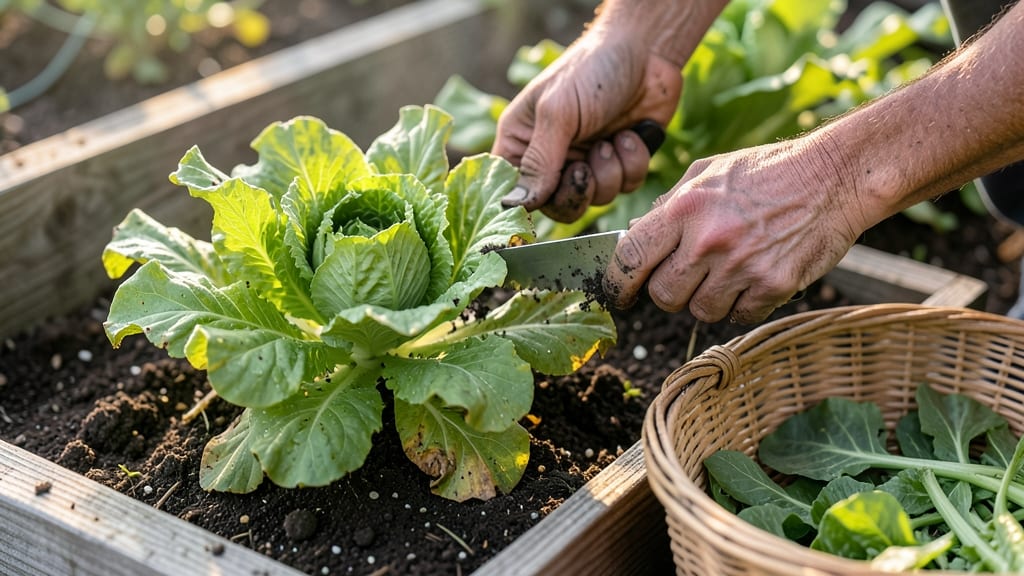
To harvest lettuce from your garden at its crispest, time your cuts when leaves hit 4–6 inches—any later and they’ll bolt or turn bitter.
Nothing beats the fresh crunch of homegrown 🥬—but timing your harvest wrong can turn crisp leaves into tough, disappointing disappointment. Whether you’re picking outer leaves or harvesting whole heads, the right technique keeps your garden productive for weeks longer.
You’ll learn the exact maturity cues to watch for (like vibrant color and firm texture), how to cut without damaging the plant, and when to harvest for maximum flavor—plus how to extend growth so you get a second (or third!) harvest.
From leaf lettuce to romaine, these proven methods ensure your garden stays lush while your salads stay crisp. Let’s get started!


When to harvest lettuce for maximum crispness: the perfect timing guide
Timing your lettuce harvest makes all the difference between crisp, tender leaves and bitter, tough disappointment. The key lies in understanding your lettuce type—whether it's leaf lettuce (like romaine or butterhead) or head lettuce (like iceberg or crisphead)—and recognizing the visual maturity cues that signal peak harvest time.
Even a few days too early or late can turn your perfect salad into a sad, wilted mess.
Scientifically, lettuce reaches its optimal texture and flavor when its leaves contain the right balance of water and sugars. For leaf varieties, this happens when individual leaves reach 4-6 inches long and feel firm to the touch.
Head lettuce, on the other hand, should form a compact, crisp head about 2-3 inches in diameter before harvesting. The #1 mistake gardeners make? Waiting too long—lettuce quickly bolts (sends up a flower stalk) in warm weather, ruining its tender texture.
Weather plays a surprising role in crispness too. Cool temperatures (50-65°F) keep lettuce sweet and crisp, while hot days (above 75°F) cause it to bolt prematurely or develop a bitter taste.
That's why many gardeners focus on spring and fall harvests rather than summer. Even morning dew can affect texture—harvesting after the sun dries the leaves helps maintain that perfect crunch.
Here’s the golden rule for timing: Harvest leaf lettuce when outer leaves are 4-6 inches tall and head lettuce when the head is firm and fully formed. Cutting too early means smaller yields, while waiting too long risks bolting.
The sweet spot? 30-50 days after planting, depending on the variety. For example, romaine typically matures in 50-60 days, while butterhead is ready in 45-55 days.
| Lettuce Type | Harvest Time | Size Cues | Days to Maturity | Best Season |
|---|---|---|---|---|
| Leaf Lettuce (Romaine, Butterhead, Oakleaf) | Outer leaves 4-6" | Individual leaves firm, vibrant | 30-50 days | Spring, Fall |
| Head Lettuce (Iceberg, Crisphead, Romaine) | Firm, compact head | 2-3" diameter, crisp texture | 45-60 days | Spring, Fall |
| Loose-Leaf (Salad Bowl, Red Sails) | 3-4" tall clusters | Bright color, tender leaves | 25-40 days | Spring, Fall, Early Summer |
For leaf lettuce varieties, you can actually harvest continuously by picking the outer leaves first. This method—called "cut-and-come-again"—lets you enjoy fresh lettuce for weeks longer while the plant keeps producing new growth.
Just leave the inner leaves and core intact, and you’ll get multiple harvests from a single plant. This works best with varieties like butterhead and oakleaf, which are more forgiving of repeated harvesting.
Head lettuce, however, is a one-and-done harvest. Once the head is fully formed, cutting it at the base ensures you get the crispest texture. If you leave it too long, the head may loosen or develop a hollow core—a sure sign it’s past its prime.
Pro tip: Harvest in the morning when temperatures are coolest. This preserves moisture and keeps leaves crisp for longer after picking.
Watch for these visual cues to know when your lettuce is ready: deep green or vibrant color, firm leaves that hold their shape, and no signs of yellowing or bolting. If you see flower stalks emerging or leaves turning bitter, it’s already too late.
The ideal harvest window is just before the plant starts to bolt, which usually happens when daytime temperatures exceed 75°F for several days.
Weather isn’t just about temperature—humidity and rain also affect crispness. Lettuce grown in high humidity may develop softer leaves, while dry conditions can make it tough and bitter.
If you’re harvesting during a heatwave, prioritize shade-cloth protection or opt for heat-tolerant varieties like Jericho romaine or Black Seeded Simpson. These varieties can handle slightly warmer conditions without bolting as quickly.
One final pro tip: Use clean, sharp scissors or a knife when harvesting. A dull blade crushes leaves, causing them to wilt faster. Cut just above the soil line for head lettuce or snip individual leaves at their base for leaf varieties
Step-by-step harvesting techniques to preserve lettuce freshness
Harvesting lettuce at the right time and using the proper techniques makes all the difference between a crisp, flavorful salad and a wilted disappointment. The key is knowing when to harvest and how to handle the leaves to keep them fresh longer.
Whether you're growing leaf lettuce or head lettuce, these methods will help you extend your harvest season and avoid common mistakes.
Start by checking your lettuce's maturity—leaf varieties are ready when individual leaves reach 4-6 inches in length, while head varieties should form a tight, firm ball. Avoid harvesting during peak heat (10 AM–4 PM) to prevent wilting, and always use clean, sharp tools to minimize damage.
Proper handling after harvest is just as important as the cutting technique itself.
How to Harvest Lettuce from Garden
-
Step 1: Choose the Right Time
Harvest in the early morning when leaves are cool and crisp. Avoid harvesting during hot afternoons to prevent wilting.
-
Step 2: Select the Harvest Method
- Leaf Lettuce: Snip or pinch outer leaves at the base, leaving the inner leaves to regrow.
- Head Lettuce: Cut the entire head just above the soil line with a sharp knife or scissors.
-
Step 3: Use Proper Tools
Use clean, sharp scissors or a pruning knife to avoid crushing leaves. Dull tools cause bruising, which shortens shelf life.
-
Step 4: Handle with Care
Gently wash harvested leaves in cool water and pat dry with a clean towel. Avoid shaking leaves to prevent bruising.
-
Step 5: Store Correctly
Wrap leaves in a damp paper towel and place in a sealed plastic bag with a small hole for airflow. Store in the crispest drawer of your fridge.
If your lettuce starts to bolt (send up flower stalks), it’s a sign of heat stress or maturity. To salvage the situation, harvest the outer leaves immediately and remove the flower stalk to redirect energy back to the remaining leaves.
This can buy you a few more days of harvestable greens.
Another common mistake is overcrowding in the garden, which leads to poor air circulation and increased risk of fungal diseases. Always thin seedlings to 12-18 inches apart to ensure healthy growth.
For continuous harvests, practice the cut-and-come-again method—simply snip the outer leaves and let the inner ones grow back.
With these techniques, your lettuce will stay crisp and fresh for up to 2 weeks in storage, and your garden will keep producing for months. Happy harvesting! 🥬