
How To
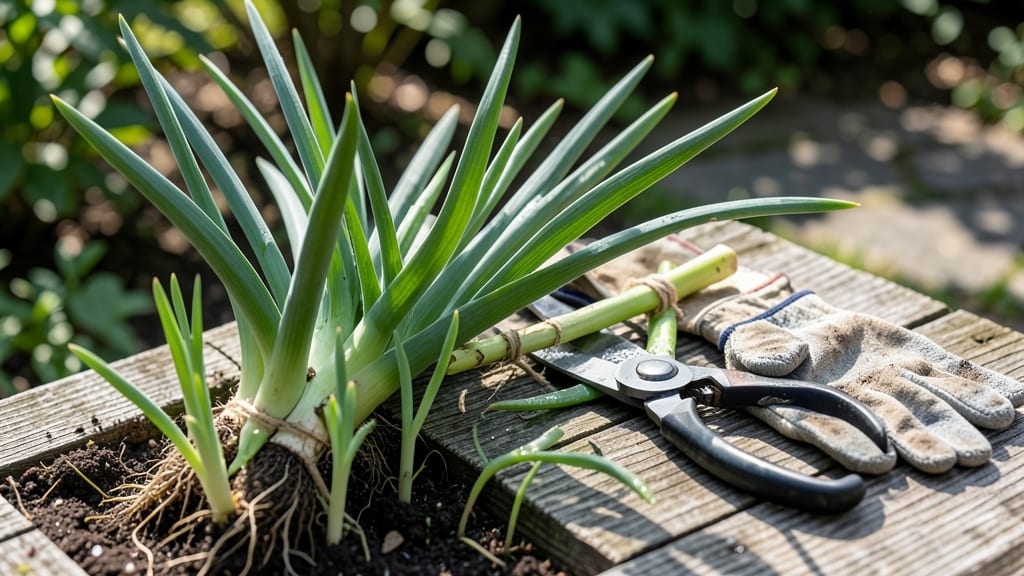
To harvest lemongrass without killing the plant, focus on cutting stalks at the right height and timing—this simple trick keeps your 🌿 thriving for years.
Harvesting lemongrass for your favorite Thai curry or herbal tea shouldn’t mean sacrificing your plant—yet many gardeners accidentally stunt its growth by cutting too much or at the wrong time.
The key is to cut stalks 6-8 inches above the base using sharp scissors or pruners, leaving enough foliage for regrowth. This method ensures your plant stays healthy and productive, even after multiple harvests.
Below, I’ll walk you through the exact steps, including when to harvest, how often, and post-harvest care to keep your lemongrass flourishing for seasons to come.


The right way to cut lemongrass stems for maximum regrowth
Lemongrass thrives when you harvest strategically, not just when you need it for recipes. The key to regrowth lies in selective cutting—targeting the right stalks at the right time. Unlike aggressive pruning, lemongrass responds best to gentle, precise cuts that leave enough energy for new shoots.
I’ve learned through trial (and a few wilted plants) that cutting too low or too often can stress the plant, while the right technique keeps it lush and productive.
First, focus on mature stalks—those that are 12-18 inches tall with firm, elongated leaves. These are ready for harvest and won’t compromise the plant’s health. Avoid cutting the innermost stalks first, as these are the plant’s energy reserves.
Instead, work your way outward, leaving the center intact to support regrowth. This method mimics how lemongrass grows in the wild, ensuring your plant stays robust.
Timing matters just as much as technique. The best time to cut lemongrass is in the morning after dew has dried but before the heat of the day. This reduces stress on the plant and gives it time to recover.
Avoid harvesting during hot afternoons or cold evenings, as these conditions can shock the plant and slow regrowth. I’ve noticed my lemongrass recovers faster when cut in cooler, humidity-controlled mornings, especially in USDA Zone 6.
Step-by-Step Guide: How to Harvest Lemongrass Without Killing the Plant
-
Step 1: Choose the Right Stalks
Select outer stalks that are 12-18 inches tall with firm, elongated leaves. Avoid cutting stalks shorter than 6 inches.
-
Step 2: Use Sharp Pruning Shears
Grab clean, sharp shears to make a straight cut about 6-8 inches above the base. Dull blades crush stems, slowing regrowth.
-
Step 3: Cut at a 45-Degree Angle
Angle the cut slightly to prevent water pooling on the stem. This reduces rot risk and keeps the plant healthy post-harvest.
-
Step 4: Leave the Inner Core Intact
Never cut more than 1/3 of the stalks at once. The inner 3-4 stalks should remain to fuel regrowth.
-
Step 5: Harvest in the Morning
Cut stalks between 8-10 AM when dew has evaporated but temperatures are still mild. This minimizes stress.
-
Step 6: Post-Harvest Care
After cutting, water deeply and add 1 tbsp of balanced fertilizer (10-10-10) to the soil. This boosts recovery.
The cutting height is critical—never trim below 6 inches from the base. This ensures the plant retains enough energy to produce new shoots. I’ve seen gardeners cut too low, thinking it encourages bushier growth, but it actually weakens the root system.
Aim for a clean, angled cut just above a leaf node (the bump where leaves emerge). This encourages the plant to branch out and regrow from that point.
Seasonal timing also plays a role. In USDA Zone 6, lemongrass grows best from spring through early fall. Avoid heavy harvesting in late summer or early winter, as the plant enters dormancy.
I’ve noticed my lemongrass regrows fastest in spring and early summer when temperatures are warm but not scorching. If you live in a frost-free zone, you can harvest year-round, but always leave enough stalks to sustain growth.
One common mistake is using dull tools, which crush stems instead of cutting cleanly. Always use sterilized pruning shears or a sharp knife to make precise cuts. A jagged cut can introduce bacterial infections or cause the stem to dry out faster.
After harvesting, I like to rinse my tools with rubbing alcohol to keep them clean and ready for the next cut.
Finally, monitor your plant’s response after harvesting. Healthy regrowth should appear within 4-6 weeks, with new stalks emerging from the base. If you notice yellowing leaves or stunted growth, you’ve likely over-harvested.
In this case, reduce future cuts and focus on fertilizing and watering to revive the plant. Patience is key—lemongrass is resilient but needs time to recover.
With these techniques, your lemongrass will thrive for years, providing fresh stalks whenever you need them. The secret is balance: cut smart, leave enough to grow, and give your plant the care it deserves. Your future curries (and tea blends) will thank you! 🌿
How often you can harvest lemongrass without burning out the plant
Harvesting your lemongrass too frequently can leave your plant stressed and stunted, but knowing the right harvesting frequency ensures a steady supply. For young plants (under 6 months), limit harvesting to once every 2-3 months—they need time to establish strong roots.
Once mature, you can harvest every 4-6 weeks, but never take more than 30-50% of the stalks at a time.
In tropical climates, lemongrass grows year-round, allowing monthly harvests if you’re gentle. However, in cooler zones (like USDA Zone 6), growth slows in winter, so reduce harvesting to every 8-10 weeks during dormancy. Always prioritize outer stalks—they’re fully mature and won’t hinder regrowth.
- Yellowing leaves – A sign of nutrient depletion from too many cuts.
- Stunted growth – Stalks stop elongating beyond 12 inches.
- Soft, wilted stalks – Roots are exhausted and can’t support regrowth.
If your lemongrass plant shows signs of over-harvesting, don’t panic—it can bounce back with the right care. Start by pruning dead leaves to redirect energy to healthy growth. Apply a compost tea or diluted fish emulsion to replenish nutrients, and ensure it gets 6+ hours of sunlight daily.
Within 6-8 weeks, you’ll see new shoots emerging from the base.
For container-grown lemongrass, harvest even more cautiously—once every 6-8 weeks—since roots are confined and recover slower. Use a small, sharp knife to cut stalks cleanly, leaving at least 6 inches of stem to protect the growing point.
Avoid harvesting in extreme heat (above 90°F), as the plant struggles to regenerate under stress.
Pro tip: Label your plants by harvest date to track regrowth cycles. For example, if you harvest a stalk in May, wait until July-August before harvesting from the same plant again. This rotational harvesting method keeps your lemongrass thriving for years while giving each stalk time to recover.
With the right harvesting rhythm, your lemongrass will reward you with taller, more aromatic stalks season after season. Just remember: patience and moderation are key to a healthy, productive plant—not a quick fix for your next recipe! 🌿