
How To
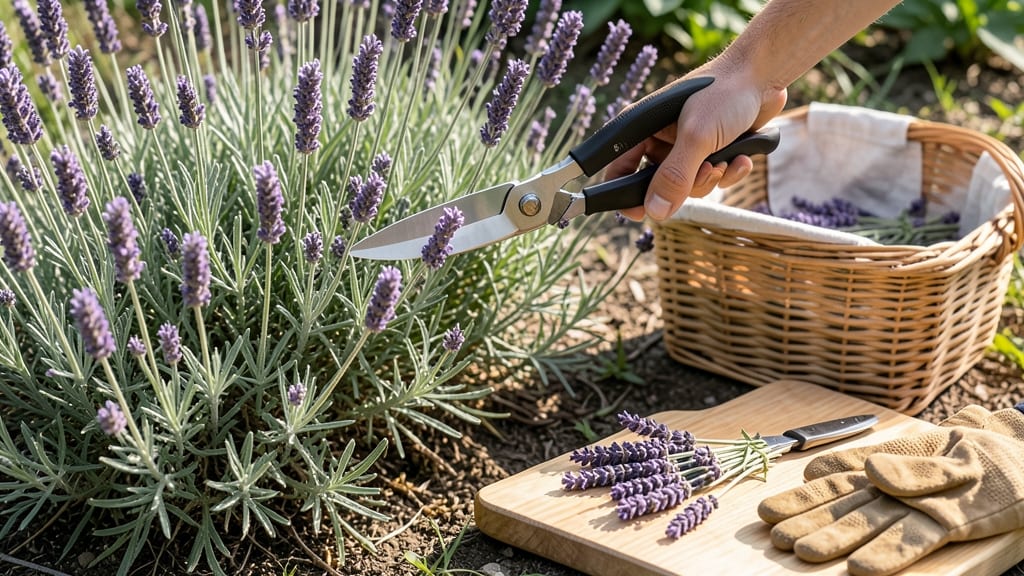
Harvesting lavender for tea means timing your cuts just right to capture the peak flavor and aroma while keeping your plants healthy—because a few wrong moves can turn your fragrant buds into bitter, weak tea.
Picture this: you’ve spent months nurturing your 🌿 lavender in General (USDA Zone 6), and now it’s finally ready. But if you snip too early or too late, you’ll end up with stems that either taste like grass or nothing at all.
The secret? Harvesting when the buds are just beginning to open—July through September—and cutting the right stems to preserve that signature floral punch.
Once you’ve got the perfect stems, drying them properly is the next critical step.
Skip the oven if you want to keep the essential oils intact—air-drying or using a dehydrator at the right temperature makes all the difference between a mild tea and one that’s rich, soothing, and full of that classic lavender magic.
In this guide, I’ll walk you through the exact cutting techniques, drying methods, and storage tips to ensure your lavender tea stays vibrant and flavorful—plus how to troubleshoot common mistakes so you never waste another harvest.


When and how to cut lavender stems for maximum tea flavor
Harvesting lavender at the right time and with the proper technique is the secret to unlocking its full aromatic potential for tea. The best flavor comes from stems harvested just as buds begin opening—not when flowers are fully bloomed.
This ensures you capture the highest concentration of essential oils before they dissipate.
Timing matters because lavender's flavor compounds peak when buds are half-open. Waiting until flowers fully bloom means losing some of that delicate citrusy, floral complexity that makes lavender tea so special. Plus, harvesting at the right stage protects your plant's energy for future growth.
For optimal results, focus on cutting hardwood stems (thicker, woody stems) rather than soft, green growth. These mature stems contain the richest oil content and produce the most fragrant tea. Avoid cutting stems that are already brown or woody, as they’ve lost their potency.
| Harvest Stage | Best Time | Stem Condition | Flavor Impact |
|---|---|---|---|
| Pre-flowering (buds just opening) | July - Early August | Hardwood, 8-12" tall | Max essential oils, bright floral notes |
| Early bloom (1/3 open) | Mid-August | Semi-woody, green tips | Balanced aroma, slightly milder |
| Full bloom (avoid) | Late August - September | Soft, fully open flowers | Weaker infusion, less complex |
When cutting, use clean, sharp pruners or scissors to avoid crushing stems. Snip just above a set of leaf nodes (where new growth emerges) to encourage bushier, healthier plants. Never pull stems by hand—this damages the plant and reduces future yields.
Leave at least one-third of the plant unharvested to maintain its health. Over-harvesting stresses lavender and can lead to woody stems or reduced flowering next season. For mature plants, you can harvest up to 1/3 of the plant in one session without harm.
Morning is the ideal time to harvest because essential oils are most concentrated after a cool night. Avoid harvesting after rain or late in the day, as humidity can dilute the oils and affect drying quality. Always work with dry stems for the best results.
After cutting, bundle stems into small 5-10 stem bunches and hang them upside-down in a well-ventilated, dark space. This preserves the oil integrity and prevents mold. Avoid direct sunlight during drying, as it can fade the color and reduce potency.
Pro tip: If you’re harvesting for tea, aim for stems with 3-4 inches of buds. Longer stems with fewer buds will yield weaker tea. Trim excess foliage from the lower half of the stem before drying to improve airflow and speed up the process.
Once dried, store lavender in airtight containers away from light and moisture. Properly dried lavender can retain its flavor for up to 12 months, making it perfect for year-round tea blends. Just remember: the fresher the harvest, the more vibrant your tea will taste!
Step-by-step guide to drying lavender for tea: methods compared
Once you've harvested your lavender stems at the perfect stage—buds just beginning to open—your next goal is preserving that fragrant aroma and flavor intensity for your tea.
The drying method you choose dramatically impacts the final product: air-drying preserves traditional flavors, while oven-drying or using a dehydrator can speed up the process. Let’s compare the three most effective techniques to help you decide which works best for your kitchen and garden.
Each method has its own ideal temperature, drying time, and effect on the lavender’s essential oils. For example, air-drying is the slowest but often yields the most potent aroma, while dehydrators offer precise control over moisture levels.
Understanding these differences ensures your dried lavender stays vibrant and full of flavor for months.
For air-drying, bundle your lavender stems into small groups and hang them upside down in a well-ventilated, shady spot. This method mimics traditional drying techniques and takes the longest but yields the most aromatic lavender.
Place a paper bag over the stems to catch any falling buds, which can be used in sachets or added to your tea directly.
If you’re short on time, oven-drying is a quick alternative, but monitor the temperature closely. Preheat your oven to 170–200°F (77–93°C), place stems on a baking sheet lined with parchment paper, and prop the door open slightly to allow moisture to escape.
Check every 30 minutes to prevent overheating, which can turn lavender bitter.
Using a dehydrator strikes a balance between speed and aroma preservation. Set it to 95–115°F (35–46°C) and arrange stems in a single layer, ensuring they don’t overlap. This method is ideal for large batches and maintains a rich, floral scent while reducing drying time to just a few hours.
Once fully dry, store your lavender in an airtight container away from direct sunlight.
After drying, test your lavender’s readiness by crushing a few buds—if they crumble easily and release a strong fragrance, they’re perfect for tea. Store dried lavender in a cool, dark place for up to 12 months, though it’s best used within 6 months for peak flavor.
Whether you choose air-drying, oven-drying, or a dehydrator, the key is patience and gentle handling to preserve that luxurious lavender aroma in every cup. 🌿