
How To
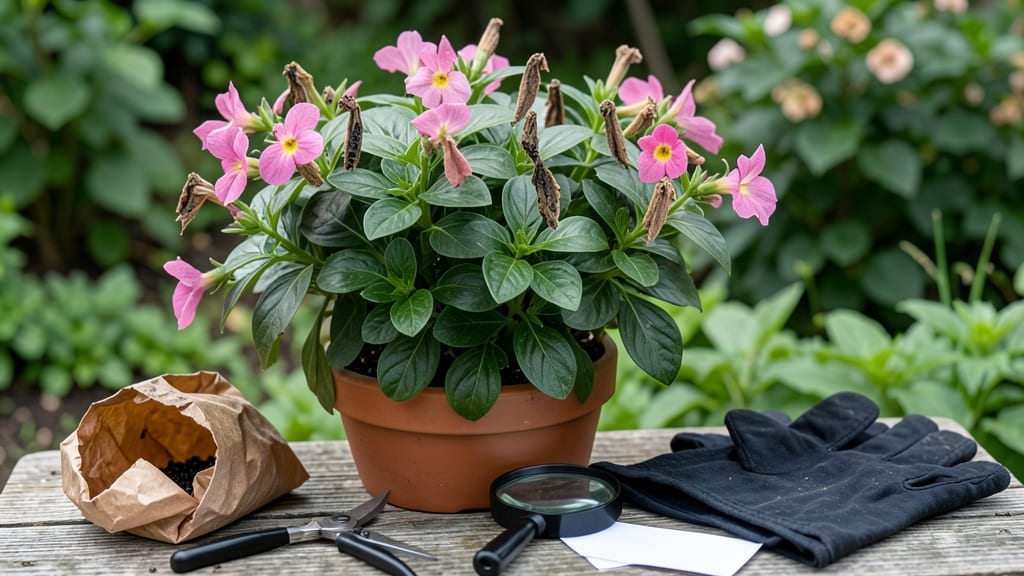
Harvesting impatiens seeds at the right time ensures strong, healthy plants for next year’s garden 🌸 — and it’s easier than you think.
Picture this: your impatiens blooms have faded, but instead of tossing the plants, you spot those tiny seed pods forming. That’s your cue to act, because waiting too long means the seeds scatter or lose viability.
The key is knowing when those pods are ready and how to collect them without damaging the delicate seeds.
In this guide, I’ll walk you through the exact steps to harvest impatiens seeds, from spotting the perfect brown, crispy pods to drying and storing them properly.
You’ll also learn how to avoid common mistakes that ruin seed quality, so you can grow a thriving batch of impatiens from scratch next season.
Whether you’re a beginner or a seasoned gardener, these simple techniques will help you save money and enjoy your favorite flowers year after year. Let’s get started!


When and how to identify impatiens seeds ready for harvesting
Harvesting impatiens seeds at the right time ensures high germination rates and vigorous next-year plants. These delicate seeds mature in late summer to early fall, typically 120-150 days after planting. Watch for visual cues like dried seed pods and brown stems to know when to act.
The key to successful seed harvesting lies in recognizing mature seed pods. Unlike the vibrant blooms, these pods start as green and plump but transform into brown, papery husks when ready.
Timing is critical—harvest too early, and seeds won’t germinate; wait too long, and they may scatter or lose viability.
Here’s how to spot ripe impatiens seeds with confidence:
| Stage | Pod Color | Texture | Seed Readiness |
|---|---|---|---|
| Early | Green | Firm | Not ready |
| Mid-Mature | Yellowing | Slightly dry | Nearly ready |
| Mature | Brown | Papery, crisp | Ready to harvest |
| Overripe | Dark brown | Brittle, splitting | Seeds may scatter |
When pods turn brown and crispy, gently squeeze them to check for loose seeds inside. A rattling sound confirms maturity—these seeds are primed for collection. If pods split open naturally, act quickly to prevent seed loss from wind or rain.
Timing matters most in USDA Zone 6a, where impatiens thrive. Aim to harvest seeds between late August and early October, aligning with the plant’s natural lifecycle. In warmer climates, extend this window by 2-4 weeks to account for longer growing seasons.
Use clean, sharp scissors to snip mature pods from the stem, leaving a small stem attachment to preserve seed integrity. Avoid tugging—this can damage delicate seeds or break pods prematurely. Work on dry, sunny days to minimize humidity-related issues.
For maximum seed yield, harvest pods in the morning when dew has evaporated but temperatures remain mild. Place harvested pods in a paper bag to allow seeds to finish drying naturally. Avoid plastic bags, which trap moisture and promote mold.
If you miss the harvest window, don’t despair. Some impatiens varieties produce secondary seed pods later in the season. Monitor plants weekly for new pods, especially if your climate extends the growing season beyond 150 days.
Once you’ve identified ripe pods, the next step is gentle extraction. Open dried pods over a clean tray or sheet of paper to catch seeds as they fall. Store seeds in a cool, dry place for up to 2 years while maintaining viability for future plantings.
Pro tip: Label your seed packets with the harvest date and variety to track performance. This helps you refine your harvesting technique and choose the best-performing seeds for next season’s garden.
Step-by-step guide: harvesting, drying, and storing impatiens seeds correctly
Once your impatiens flowers have finished blooming, the next critical step is harvesting their seeds. Proper handling ensures high viability for next year’s garden. I’ve learned that rushing this process can ruin seeds, so patience is key. Let’s walk through the exact steps to maximize your seed-saving success.
Timing matters most—wait until seed pods turn brown and split open naturally. This usually happens 4-6 weeks after flowering. Harvesting too early means immature seeds, while waiting too long risks seed loss from scattered pods. I recommend checking pods daily during peak harvest season for the best results.
How to Harvest Impatiens Seeds
- 1 Gently twist and pull mature seed pods from the stem. Avoid tearing—they should separate easily when ready.
- 2 Place pods in a paper bag or envelope to catch seeds as they fall out naturally. This prevents loss from wind or handling.
- 3 Label pods with the variety name and harvest date. Use a fine-tip marker or tape with written details.
- 4 Store pods in a cool, dry place (like a seed envelope) for 1-2 weeks to complete drying. Avoid plastic bags—moisture kills seeds!
After pods dry completely, open them carefully to release seeds. I use a small knife to slit open stubborn pods—never crush them, as this damages seeds. Once seeds are free, store them in paper envelopes or glass jars with a silica gel packet to absorb excess moisture.
For long-term storage, place seeds in the fridge or freezer where they’ll stay viable for 2-3 years. I’ve had success storing mine in labeled glass jars with a humidity pack to prevent mold. Always keep seeds in a dark, cool environment—light and heat degrade seed quality quickly.
Pro tip: Test a few seeds before storing the rest. Place 5-10 seeds in a damp paper towel and check for sprouting in 7-14 days. If germination rates are low (50% or less), your storage conditions may need adjustment. This simple test saves future disappointment!
Remember, patience and proper drying are your best friends when saving impatiens seeds. With these steps, you’ll have healthy, vibrant impatiens blooming in your garden year after year—no store-bought seeds required! 🌸