
How To
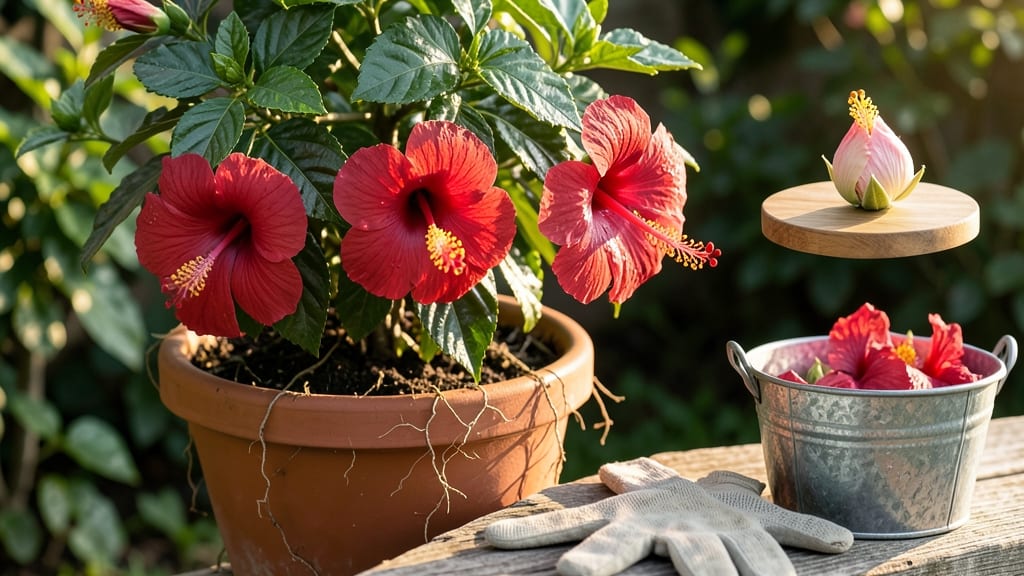
To harvest hibiscus at the right time means you’ll get the most vibrant blooms—and more of them—without stressing your plant.
Picture this: you’ve spent months nurturing your 🌸 hibiscus, watching those bold flowers unfurl in your Zone 6 garden, and now you’re ready to enjoy the harvest.
But timing is everything—pick too early, and the petals won’t dry properly; wait too long, and the blooms may wilt or fall off before you can use them.
Harvesting hibiscus flowers at the peak of their beauty isn’t just about cutting them—it’s about encouraging your plant to keep producing. The best time is early morning when blooms are fully open and petals are crisp, not yet fading.
This simple trick ensures your hibiscus stays lush and keeps blooming all season long.
In this guide, I’ll walk you through the exact steps to harvest hibiscus flowers, when to trim for more blooms, and how to preserve them for tea, crafts, or even propagation.
Whether you’re a hibiscus newbie or a seasoned gardener, these tips will help you get the most out of your plant.


When and how to harvest hibiscus flowers for maximum yield
Timing is everything when harvesting hibiscus flowers—picking at the wrong moment can leave you with wilted blooms or even stunt your plant's growth. The best time to harvest is on a cool morning after the dew has dried but before the sun peaks.
This ensures your flowers stay fresh and vibrant, whether you're drying them for crafts or using them fresh. In tropical climates, hibiscus blooms year-round, while temperate zones like mine (Zone 6) see peak blooming from July to October, making late summer the prime harvest window.
Look for flowers that are fully open with vibrant, crisp petals—these are ready for harvest. Avoid picking buds that are still closed or flowers that show signs of wilting, like drooping petals or brown edges.
The stem should feel firm and slightly woody, not soft or green. This indicates the flower is mature and ready to be cut, while also signaling that new buds are forming below it.
| Harvest Stage | Key Features | Best Time to Harvest | Climate Notes |
|---|---|---|---|
| Fully Open Bloom | Vibrant petals, crisp edges, firm stem | Early morning (6-9 AM) | Tropical: Year-round; Temperate: July-October |
| Partially Open Bud | Soft petals, green stem, wilting signs | Avoid harvesting | Never harvest immature blooms |
| Wilted or Damaged | Drooping, brown edges, brittle stem | Remove immediately | Prune to encourage new growth |
| Seed Pod Formation | Flower wilts, seed pod swells | Harvest seeds in 4-6 weeks | Tropical: Year-round; Temperate: Late summer |
To harvest, use clean, sharp pruning shears or scissors to cut the stem at a 45-degree angle, about 1/4 inch above a leaf node. This angle helps water flow better into the plant, reducing the risk of disease.
Always sterilize your tools with rubbing alcohol before and after use to prevent spreading bacteria or fungi. I like to gather my harvest in a basket lined with paper towels to absorb any moisture and keep the blooms dry until I process them.
Harvesting hibiscus flowers too aggressively can stress your plant, so aim to pick no more than 1/3 of the blooms at a time. This balance ensures your plant continues producing flowers while giving it time to recover.
In my garden, I harvest every 2-3 days during peak bloom season to maintain a steady supply without overburdening the plant. If you're growing hibiscus for tea or crafts, you can harvest more frequently, but always leave enough blooms for the plant to thrive.
After harvesting, give your hibiscus a light fertilizer boost with a balanced 10-10-10 formula to encourage regrowth. Water deeply right after pruning to help the plant recover from the stress of harvesting. In temperate climates, reduce harvesting as temperatures drop in late September to prepare the plant for winter.
Tropical hibiscus, on the other hand, can be harvested year-round, but always monitor the plant's health and adjust your harvesting schedule accordingly.
One of my favorite tips is to harvest hibiscus flowers in batches based on color. For example, I pick all the deep red blooms one day and the pink or yellow flowers the next.
This not only makes drying and organizing easier but also ensures a more even harvest throughout the season. If you're drying flowers for crafts, separate them by color and size to create uniform arrangements later on.
For tropical hibiscus varieties, like the 'Hawaiian' hibiscus, you can harvest almost daily if the plant is healthy and well-cared-for. These varieties are more resilient and bounce back quickly from harvesting.
In contrast, hardy hibiscus (like 'Luna Red') may need more time between harvests, especially in cooler months. Always observe your plant's response to harvesting and adjust your frequency as needed.
If you notice your hibiscus stopping blooms after harvesting, it might be a sign of over-pruning or nutrient deficiency. In this case, reduce the frequency of harvesting and feed your plant with a phosphorus-rich fertilizer to encourage more flowering.
I’ve also found that providing morning sunlight and consistent watering helps my hibiscus recover faster and produce even more blooms in the following weeks.
Finally, never harvest hibiscus flowers in the afternoon or evening, as the heat and humidity can cause the petals to wilt quickly. Always prioritize early morning harvests for the best results.
With the right timing and technique, you’ll enjoy a bountiful harvest of vibrant hibiscus flowers that last all season long—whether you're preserving them, crafting with them, or simply admiring their beauty in your garden.
Pruning techniques to boost hibiscus flower production after harvesting
After harvesting your hibiscus flowers, proper pruning techniques can transform your plant into a blooming powerhouse. The key is to encourage bushier growth and stimulate new flower buds by removing spent blooms and shaping the plant strategically.
Whether you're dealing with a tropical hibiscus or hardy varieties, these methods will keep your plant thriving and producing vibrant blooms all season.
Pruning isn't just about cutting back—it's about guiding growth. When done correctly, you'll see more flowers, stronger stems, and a fuller plant. Start by gathering your tools: sharp pruning shears, sterilized scissors, and rubbing alcohol to clean cuts.
Always prune on a dry, sunny morning to reduce stress on the plant and allow wounds to heal quickly.
-
Deadheading Spent Blooms
Remove wilted flowers by cutting the stem just above a leaf node or bud. This redirects energy to new growth instead of seed production. -
Selective Trimming for Shape
Trim overgrown branches to maintain an open center. Focus on long, leggy stems to encourage a bushier habit. -
Seasonal Pruning for Renewal
In late winter or early spring, prune back 1/3 of the plant to remove dead or weak growth and promote vigorous new shoots. -
Avoid Over-Pruning Mistakes
Never cut into old wood—always leave green growth. Over-pruning can stress the plant and reduce flowering. -
Clean and Sterilize Tools
Wipe blades with rubbing alcohol between cuts to prevent disease spread.
For tropical hibiscus, focus on light pruning year-round to maintain shape and encourage continuous blooming. In temperate climates, a heavier prune in early spring helps the plant recover from winter dormancy and prepares it for the growing season.
Always step back and assess the plant's shape—aim for an open, airy structure to prevent disease and improve airflow.
One common mistake is pruning too late in the season, which can stunt new growth before winter. If you're growing hibiscus for dried flowers, avoid heavy pruning in the last 6-8 weeks of the season to allow buds to mature.
Instead, focus on deadheading to keep the plant producing until frost.
After pruning, give your hibiscus a light fertilizer application to support new growth. Use a balanced 10-10-10 fertilizer and water deeply to help the plant recover. Within a few weeks, you'll notice new buds forming and a fuller, healthier plant ready for another round of blooms.
With these techniques, your hibiscus will reward you with non-stop flowers and a lush, vibrant appearance. Happy pruning—your plant will thank you with stunning blooms all season long! 🌸✂️