
Flowers
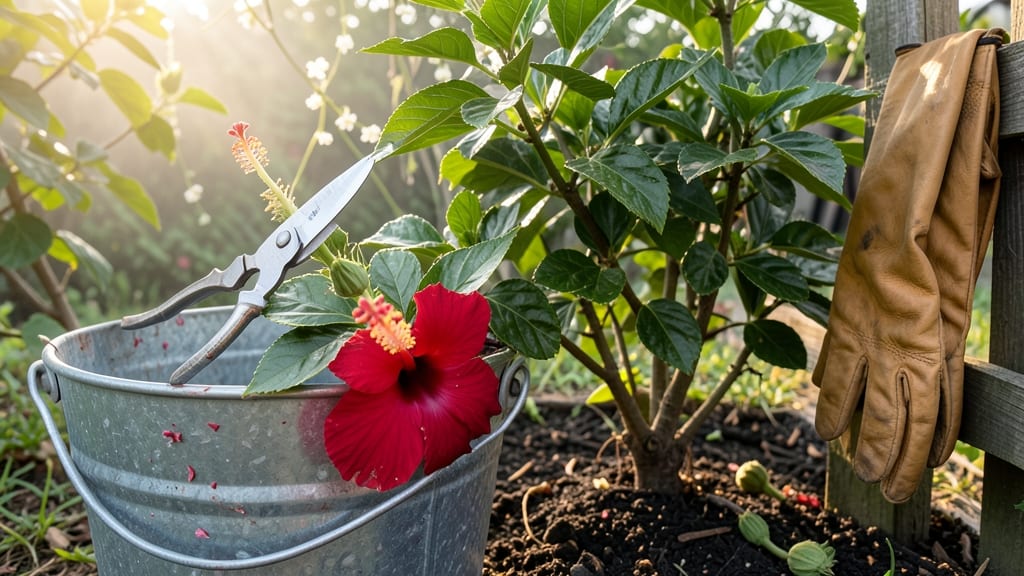
Harvesting hibiscus flowers at the right time means capturing their peak beauty and flavor before they wilt — and it’s easier than you think.
Picture this: vibrant 🌸 blooms at their most lush, just begging to be plucked for tea, crafts, or fresh bouquets. But miss the window, and you’re left with limp petals that crumble at the touch.
The secret? Timing, technique, and a little know-how to keep your hibiscus thriving after the cut.
You don’t need fancy tools or years of experience—just a sharp pair of scissors, a morning routine, and a few simple tricks to preserve those stunning blooms.
Whether you’re drying them for winter or whipping up a batch of hibiscus tea, getting it right means more flowers, longer-lasting arrangements, and a plant that keeps producing.
From when to snip (hint: it’s not when they’re fully open) to how to handle delicate petals without damaging them, I’ll walk you through every step.
Plus, I’ll share my top tips for encouraging your hibiscus to bloom even more abundantly after harvest—because who doesn’t want a garden full of these showstoppers?


Best time of day to harvest hibiscus flowers for maximum freshness
Harvesting hibiscus flowers at the right time ensures they stay vibrant and last longer, whether you're using them for hibiscus tea, floral arrangements, or natural dyes. The best time of day to pick these stunning blooms is crucial for preserving their color intensity and flavor profile.
I’ve learned through experience that morning harvests yield the freshest, most resilient flowers.
Early morning, between 6 AM and 9 AM, is ideal because the dew has evaporated, and the flowers are fully hydrated. This timing also avoids the midday heat that can cause wilting.
If you must harvest later, aim for late afternoon (after 4 PM) when temperatures begin to drop, but avoid harvesting in the evening when humidity rises.
Weather conditions also play a significant role. Harvest on dry, cloudy days to prevent petals from sticking together or developing mold. Avoid harvesting after rain or heavy dew, as moisture can shorten the flowers' shelf life.
I always check the weather forecast the night before to plan my harvesting schedule accordingly.
Now, let's dive into the key steps to identify the perfect time to harvest your hibiscus flowers. These numbered highlights will guide you through the process:
Look for fully open flowers with bright, vibrant petals. Buds that are still closed or partially open aren’t ready yet. The center stamen should be fully exposed and dry.
Crisp, upright petals indicate peak freshness. Avoid flowers with drooping or wilted petals, as they’ve passed their prime. Gently touch the petals—they should feel firm and slightly crisp, not soft or mushy.
The stem should be firm and sturdy, not brittle or weak. A healthy stem will snap cleanly when bent slightly. Avoid stems that feel spongy or hollow, as this indicates overripeness or disease.
Overripe hibiscus flowers may have darkened or browned petals and a slightly musky scent. These flowers are past their prime and won’t last long in arrangements or teas. If you see yellowing leaves near the bloom, it’s a sign the flower is overripe.
Always prioritize morning harvests for the best flavor and longevity. If you’re using flowers for hibiscus tea, morning-picked blooms will retain their tartness and vibrant color longer. Store harvested flowers in the fridge until ready to use.
Understanding these signs will help you avoid harvesting flowers that are underripe or overripe. For example, a partially open bud might take another day to fully bloom, while a fully open flower with soft petals is already past its peak.
Paying attention to these details ensures you’re always picking the best blooms for your needs.
Seasonal timing also matters. In USDA Zone 6a, hibiscus flowers typically bloom from July to September. During this window, I recommend harvesting every 2-3 days to encourage continuous blooming. If you notice fewer flowers opening, it might be time to prune the plant to stimulate new growth.
One common mistake I see is harvesting flowers in the afternoon heat, which can cause them to wilt quickly. If you must harvest later in the day, place the flowers in a bucket of cool water immediately to extend their freshness.
This simple step can make a huge difference in how long your hibiscus blooms stay vibrant.
For those using hibiscus flowers for culinary purposes, like making hibiscus tea, morning harvests are especially important. The tannins and acidity in the petals are at their peak in the morning, giving your tea a richer flavor.
If you’re drying the flowers for later use, harvest them on a dry, sunny day and lay them out to dry in a well-ventilated area away from direct sunlight.
Finally, always use clean, sharp pruning shears to harvest hibiscus flowers. Cutting the stem at a 45-degree angle just above a leaf node encourages the plant to grow new branches and produce more blooms.
This practice not only gives you better flowers but also keeps your hibiscus plant healthy and thriving.
By following these tips, you’ll always know when and how to harvest hibiscus flowers for maximum freshness and beauty. Whether you're crafting, brewing tea, or simply enjoying their stunning appearance, timing is everything! 🌸
Step-by-step hand-picking techniques to preserve hibiscus blooms
Harvesting hibiscus flowers at their peak ensures they last longer in arrangements, teas, or dried crafts. The key lies in gentle handling and precise cutting to preserve moisture and structural integrity. I’ve found that morning harvests yield the freshest blooms, but technique matters just as much as timing.
Start by gathering your tools: sharp pruning shears, a clean bucket of water, and soft paper towels. Hibiscus petals bruise easily, so avoid rough handling. The stem length and cutting angle directly impact vase life—cutting too short or at the wrong angle can shorten their lifespan dramatically.
How to Harvest Hibiscus Flowers
- Step 1: Select fully open blooms with vibrant petals and firm stems. Avoid flowers that are wilting or have brown edges.
- Step 2: Hold the stem at a 45-degree angle about 2-3 inches below the bloom. This increases water absorption.
- Step 3: Use sharp pruners to make a clean cut. A jagged edge can block water uptake and shorten vase life.
- Step 4: Immediately place stems in a bucket of cool water to hydrate them. This prevents wilting while you finish harvesting.
- Step 5: Gently remove excess leaves from the lower half of the stem. Overcrowded foliage can harbor bacteria and reduce water flow.
- Step 6: For drying, remove petals carefully with a soft brush or your fingers. Avoid tearing—lay them flat on a paper towel-lined tray in a dry, shaded spot.
- Step 7: Store harvested blooms in the fridge for up to 3 days if not using immediately. Wrap them loosely in a damp paper towel to retain moisture.
One common mistake I see is cutting stems too short, which limits their ability to drink water. Always leave at least 2-3 inches of stem to maximize hydration.
Another tip: if you’re drying hibiscus for tea or crafts, harvest on a cloudy day to prevent petals from fading in the sun.
After harvesting, your hibiscus plant will likely thrive with pruning. Removing spent blooms encourages new growth and more flowers. I’ve noticed that plants pruned this way often produce 20-30% more blooms in the next season. Just avoid cutting into old wood—focus on fresh, green growth.
For long-lasting vase arrangements, change the water every 2-3 days and trim stems at a 45-degree angle again. Add a flower food packet to the water to extend freshness. With these techniques, your hibiscus blooms can last up to 10 days in a vase!