
How To
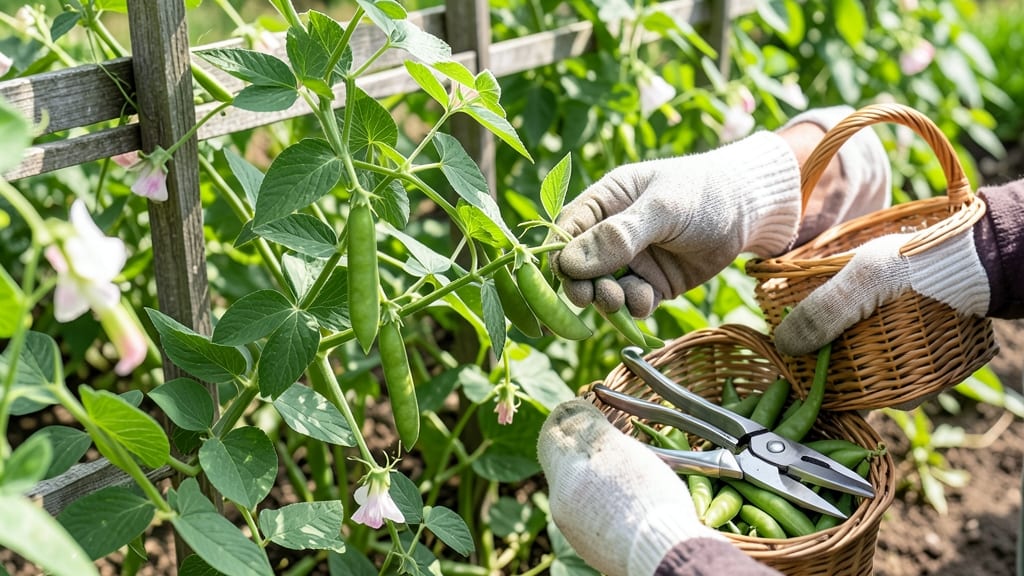
Harvesting green peas at the right time means the difference between sweet, crisp pods and tough, mealy ones 🌱—and the key is all in the pod size, color, and texture.
There’s nothing quite like the crisp snap of a perfectly ripe green pea pod—except the disappointment of harvesting too early or too late. Timing your harvest correctly ensures sweet, tender peas bursting with flavor, not tough, mealy ones.
Most gardeners wait until pods are 2-3 inches long, bright green, and firm to the touch, but the exact moment depends on whether you’re growing shelling peas, sugar snaps, or snow peas. Miss this window, and you’ll end up with overripe pods or underdeveloped ones.
In this guide, I’ll walk you through exactly how to check for ripeness, the best tools to use, and how often to harvest for a continuous supply of fresh, flavorful peas straight from your garden.


When to harvest green peas: size, color, and pod maturity guide
Harvesting green peas at the right moment transforms your garden into a treasure trove of sweet, tender bites. The difference between perfectly ripe peas and overripe ones lies in three key factors: pod size, color, and texture.
Ignore these cues, and you risk ending up with tough, stringy pods or shriveled peas inside. Let’s break down exactly what to look for—and when to act.
First, consider the pea variety you’re growing. Shelling peas (like 'Green Arrow' or 'Little Marvel') need harvesting when pods reach 2-3 inches long and are bright green. Sugar snap peas (like 'Sugar Sprint' or 'Oregon Sugar Pod') should be picked when pods are 3-4 inches long but still crisp.
Meanwhile, snow peas (like 'Oregon Sugar Snap') are ready when pods are 2.5-3.5 inches and flat, with tiny seeds inside.
Color is your next clue. Bright green pods signal peak ripeness, while yellowing or brown spots mean the peas are past their prime. Overripe pods often develop a waxy or dull appearance, and the peas inside may start to shrivel.
Pay close attention to the stem end—if it’s turning brown or woody, it’s a clear sign to harvest sooner next time.
Texture plays a critical role too. A ripe pea pod should feel firm and crisp when you gently squeeze it. If it feels soft or mushy, the peas inside are likely tough and mealy.
For shelling peas, the pods should snap easily when bent—this indicates they’re at their sweetest. If the pod bends without snapping, it’s overripe.
One of the biggest mistakes gardeners make is waiting too long to harvest. Once peas start to bulk up inside the pod, they lose their sweetness and become tough. For shelling peas, this happens quickly—often within 24-48 hours of reaching maturity.
If you’re growing sugar snap or snow peas, the window is slightly wider, but still narrow. Check your plants daily during peak harvest season to avoid missing the sweet spot.
Timing also depends on your climate and variety. In cooler regions, peas mature faster, so you might harvest 30-40 days after planting, while warmer climates can extend this to 60-70 days.
Keep a harvest journal to track when your specific peas are ready—this helps you plan for future seasons. Pro tip: If your peas are flowering but no pods are forming, they might need more phosphorus-rich fertilizer or better pollination conditions (like gentle bees or hand-pollination).
For maximum yield, harvest peas in the morning when they’re cool and crisp. Use sharp scissors or pruners to snip pods just above the leaf node—this encourages more pods to form. Avoid pulling pods off by hand, as this can damage the plant.
If you’re growing peas on a trellis, work your way up the plant to avoid missing lower pods hidden by foliage.
Finally, don’t let a few missed harvests discou
Step-by-step green pea harvesting techniques for maximum yield
Harvesting green peas at the right time transforms your garden into a sweet, crisp treasure trove. The key lies in consistent checks and gentle handling—peas don’t wait, and once they’re overripe, their flavor turns bitter and mealy.
I’ve learned that frequency matters: skipping harvests slows production, while over-harvesting stresses plants. Let’s break down the best methods to keep your pea plants happy and productive.
Your choice of harvesting tools can make all the difference. A pair of clean, sharp scissors or pruners is ideal for cutting pods cleanly without damaging vines. Avoid pulling pods by hand, which can snap delicate stems.
For large-scale gardens, a small basket with a soft lining helps prevent bruising. I always harvest in the morning when pods are crispest and temperatures are cooler—this preserves freshness longer.
How to Harvest Green Peas: A Step-by-Step Guide
-
Step 1: Check Pod Maturity
Look for pods that are 2-3 inches long, bright green, and firm. Gently squeeze—if they feel crisp and snap easily, they’re ready. Avoid pods with visible seeds or yellowing tips. -
Step 2: Use the Right Tools
Grab clean scissors or pruners (disinfect with rubbing alcohol between batches). Cut pods 1 inch above the pod to prevent stem damage. Never pull pods—this can uproot tender vines. -
Step 3: Harvest Frequently
Pick peas every 2-3 days during peak production. This encourages more pods to form. A good rule: if pods are half the size of a golf ball, harvest them—waiting means tough, starchy peas. -
Step 4: Store Properly
Place harvested pods in a perforated bag or container lined with paper towels. Store in the fridge for up to 5 days or freeze them immediately for long-term use. For best flavor, eat within 24 hours of picking. -
Step 5: Maintain Plant Health
After harvesting, water plants deeply to replace moisture. Add a light mulch to retain soil moisture and prevent weeds. Avoid fertilizing after mid-summer—it can lead to bitter-tasting peas.
🌱 Pro Tip: Harvest sugar snap peas when pods are flat and crisp—don’t wait for them to swell!
One of the biggest mistakes I’ve seen is harvesting at the wrong time of day. Midday heat can cause pods to wilt quickly, while evening harvests may attract pests.
Always prioritize morning harvests for the freshest peas. If you’re growing multiple pea varieties, like shelling peas and snow peas, harvest each type separately—they mature at slightly different rates.
Preserving freshness post-harvest is just as critical as the harvest itself. I’ve found that blanching and freezing peas locks in their sweetness for months. Simply boil pods for 2-3 minutes, then plunge them into ice water before freezing.
For short-term storage, keep pods in a ventilated container in the crisper drawer of your fridge. Avoid washing peas until you’re ready to use them—excess moisture speeds up spoilage.
To maximize your yield, train yourself to harvest systematically. Start at the base of the plant and work your way up, checking every pod. This ensures you don’t miss any hidden gems.
If your pea plants start producing fewer pods, it might be time to prune old flowers to encourage new growth. Just pinch off spent blooms—this redirects energy to new pods instead of seed production.
Remember, the goal is consistency and gentleness. Pea plants are delicate but rewarding. With the right techniques, you’ll enjoy a bountiful harvest of sweet, tender peas all season long. Happy harvesting! 🌿