
How To
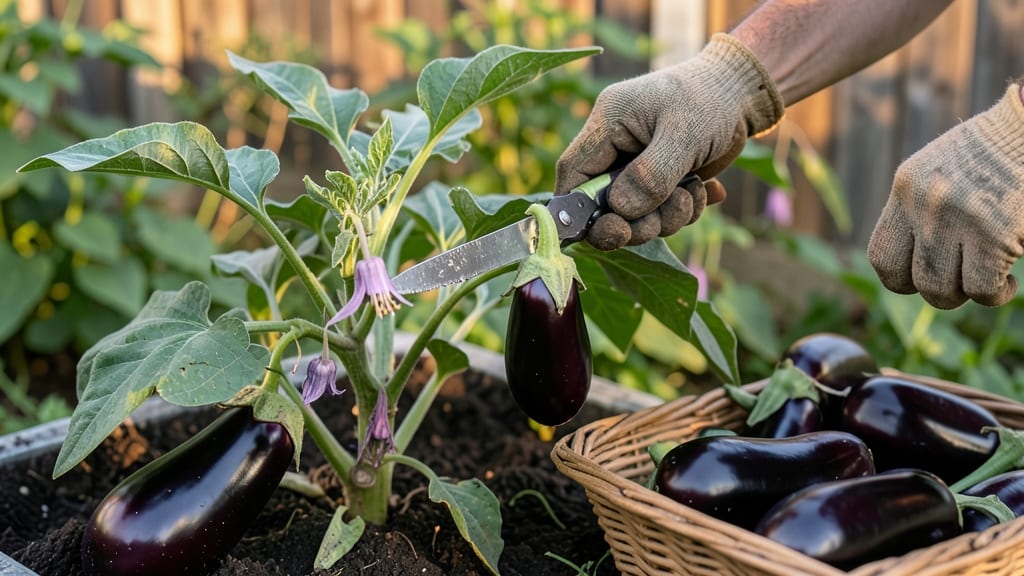
To harvest eggplant at its peak flavor, you’ve got to time it right—and the three tactile tricks I’m about to share make all the difference.
Picking too early gives you a meal of bland, seedy disappointment, while waiting too long means tough, bitter fruit. I’ve made both mistakes (and learned the hard way why your 🍆’s texture is everything).
Here’s the game-changer: ripe eggplant should be firm, glossy, and the exact size for its variety—no guessing, just feel. I’ll walk you through the exact signs to look for, the best tools to use, and how to handle them so your plant keeps producing.
Skip the common pitfalls (like twisting stems or storing them wrong) and you’ll go from frustrated gardener to confident harvester in no time.
When to harvest eggplant: 5 key signs your fruit is ready
Harvesting eggplant at the right moment ensures the best flavor and texture, but many gardeners struggle with timing. Overripe fruit becomes bitter and seedy, while underripe eggplant stays tough and bland. The key lies in recognizing 5 key ripeness indicators that transform your harvest from disappointing to delicious.
Eggplant typically matures between 60-120 days after transplanting, depending on the variety. Black Beauty and Ichiban often reach harvest readiness around 75 days, while heirloom types like Rosa Bianca may take longer. Understanding these seasonal variations helps you plan your harvest schedule effectively.
Let's break down the 5 essential signs your eggplant is ready for picking, so you never miss the perfect moment.
🌱
Seasonal timing plays a crucial role in eggplant ripeness. In warmer climates (Zones 8-11), eggplant often matures earlier, with harvests starting as early as June. Meanwhile, gardeners in cooler regions (Zones 3-7) should expect harvests between July and September, depending on planting dates.
Pay special attention to color consistency—uneven coloring often signals stress from inconsistent watering or temperature fluctuations. If your eggplant develops green shoulders or pale patches, it may need more sun exposure or balanced moisture to reach optimal ripeness.
Harvesting too early results in tough, seedy flesh that lacks the rich, creamy texture we love. Conversely, waiting too long leads to bitter, fibrous eggplant with large seeds. The 30-day window between ideal ripeness and overmaturity is narrow, so stay vigilant during peak harvest season.
For heirloom varieties, like Rosa Bianca or Listada de Gandia, the color change is more dramatic, making ripeness easier to spot. Hybrid varieties like Fairy Tale (mini eggplant) mature faster but still require close monitoring of all five indicators for perfect timing.
🍆
How to harvest eggplant without damaging the plant: step-by-step tactics
Harvesting eggplant the right way ensures you get the best flavor and maximum future yields from your plants. Unlike many vegetables, eggplant doesn't ripen further after picking, so using the wrong technique can ruin both the fruit and the plant's ability to produce more.
The key lies in gentle handling, proper cutting methods, and knowing when to leave fruit on the vine.
Many gardeners make the mistake of twisting or pulling eggplant from the stem, which can damage the plant's delicate vascular system. This weakens future harvests and invites disease. Instead, we'll focus on sharp cutting, stem preservation, and immediate post-harvest care to keep your eggplant plants thriving.
Let's break down the exact steps that professionals use in commercial and home gardens alike.
After harvesting, inspect your eggplant for any soft spots or bruises. These can indicate overripe fruit or handling damage. Store harvested eggplant in a cool, dark place (like a pantry) for up to one week.
For longer storage, refrigerate—though this can slightly alter texture. Remember, eggplant continues to absorb moisture even after harvest, so avoid washing until you're ready to use it.
Pro tip: Leave the smallest, healthiest eggplant on the plant to encourage more production. Overloading the plant with too many fruit at once can reduce both quality and quantity of your harvest. With these techniques, you'll maximize your yield while keeping your eggplant plants happy and productive all season long.
🍆🌱