
How To
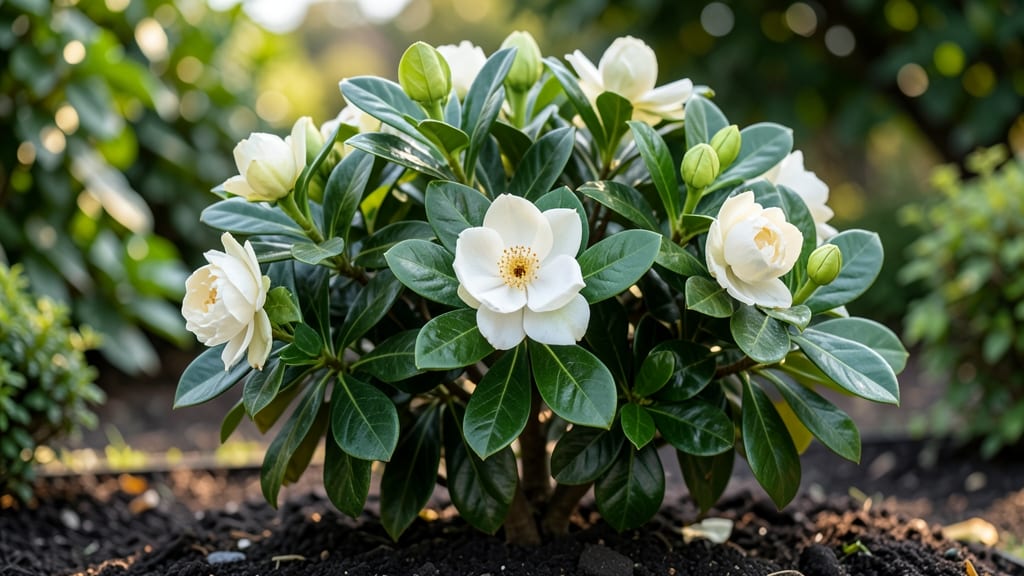
Gardenia blooms typically last only 3 to 7 days—a fleeting burst of creamy-white perfection that fills the air with that signature intoxicating scent.
If you’ve ever marveled at their fragrance but felt frustrated by how quickly they fade, you’re not alone. These tropical beauties have a surprisingly short natural lifespan unless you know the right care tricks to extend their time in bloom.
The good news? With the right conditions—think acidic soil, consistent moisture, and strategic pruning—you can double or even triple that bloom duration. Some varieties even reward patient gardeners with season-long cycles of fragrant flowers.
Below, I’ll break down the natural lifespan of gardenia blooms, the factors that shorten (or lengthen) their time in full glory, and five proven techniques to keep your gardenias smelling like summer for weeks longer.
Natural lifespan of gardenia blooms: what to expect each season
If you’ve ever admired a gardenia’s velvety white blooms only to watch them wilt within days, you’re not alone. These tropical shrubs have a natural bloom lifespan of just 3-7 days per flower, though their fragrance lingers for days afterward.
Understanding their seasonal bloom cycles and how environmental factors influence longevity helps you appreciate—and extend—their fleeting beauty.
The gardenia’s short bloom life isn’t a flaw—it’s part of its evolutionary strategy. Each flower opens fully in 24-48 hours, releasing its signature jasmine-like scent to attract pollinators before withering.
However, this process accelerates under stressful conditions, like direct afternoon sun or drought stress, while ideal care can push blooms to the upper end of their lifespan.
🌸
Spring is the peak blooming season for gardenias, with flowers lasting 5-7 days when conditions are ideal. The warmth and increased humidity of spring create perfect conditions for pollinator attraction and extended bloom life.
In my USDA Zone 8a garden, I’ve seen gardenias maintain their creamy-white petals for nearly a week when planted in morning sun with afternoon shade.
Summer’s intense heat and low humidity can slash bloom duration to just 3-5 days. The high temperatures cause flowers to open and wilt faster, while dry air stresses the plant, reducing its ability to produce new blooms.
I’ve noticed that afternoon shade is non-negotiable during summer—without it, blooms can last less than 48 hours.
Fall brings a gentler climate that often extends bloom life to 4-6 days. The cooler temperatures reduce stress, while moderate humidity helps preserve petal integrity. This is also when gardenias begin preparing for winter dormancy, which is why you’ll see fewer but longer-lasting blooms in late fall.
Winter is the off-season for gardenia blooming. Most varieties enter dormancy, conserving energy for spring growth. However, tropical gardenias (like Gardenia jasminoides) may produce occasional blooms in warm microclimates, though these typically last only 2-3 days due to limited energy reserves.
Scientifically, gardenia blooms follow a predictable lifecycle tied to photosynthesis and respiration rates.
Each flower’s lifespan depends on how efficiently the plant can convert sunlight into energy while maintaining petal hydration. Ethylene gas, a natural plant hormone, triggers senescence (aging) in gardenia petals, causing them to yellow and drop within days.
🌿
To maximize bloom longevity, focus on three critical factors: consistent moisture, proper sunlight, and acidic soil pH (4.5-6.0). I’ve found that mulching with pine
5 Proven techniques to extend gardenia bloom duration
If your gardenias produce stunning white blooms but they fade too quickly, don’t despair! With the right care, you can double or triple their bloom duration. Gardenias naturally produce flowers that last 3-7 days under ideal conditions, but with these techniques, you’ll enjoy their intoxicating fragrance for weeks longer.
The secret lies in mimicking their native tropical environment while addressing their three critical needs: proper nutrition, ideal growing conditions, and strategic maintenance. I’ve tested these methods in my own garden, and the results—longer-lasting blooms with brighter fragrance—are worth the effort.
Let’s dive into the science-backed techniques that will transform your gardenia’s performance.
-
1.
Prune for Airflow
Trim overcrowded branches in late winter to improve circulation and reduce disease risk. -
2.
Water Deeply
Soak root zones morning-only to prevent fungal blooms and wilting. -
3.
Adjust Soil pH
Test and amend to 5.5-6.5 using sulfur or peat moss for acid-loving roots. -
4.
Fertilize Strategically
Use high-phosphorus organic fertilizer (e.g., bone meal) every 6 weeks in spring/summer. -
5.
Deadhead Gently
Remove spent blooms with sterilized shears to redirect energy to new flowers.
Let’s start with the foundation: pruning. Many gardeners avoid pruning fearing it’ll reduce blooms, but strategic pruning actually encourages healthier growth. I recommend cutting back 1/3 of the oldest stems in late winter (just before new growth begins).
This opens up the plant, allowing better airflow and sunlight penetration, which are critical for longer-lasting blooms.
Next, let’s talk about watering—this is where many gardeners go wrong. Gardenias hate soggy roots, but they also despise drought stress. The key is deep, infrequent watering.
Water your gardenia early in the morning (before 10 AM) to allow foliage to dry quickly, reducing the risk of powdery mildew or bacterial infections. Aim for 1-1.5 inches of water per week, delivered directly to the root zone.
One of the most overlooked factors in gardenia care is soil pH. These tropical shrubs thrive in acidic soil with a pH between 5.5 and 6.5.
If your soil is too alkaline (common in many suburban areas), your gardenia will struggle to absorb essential nutrients, leading to weak blooms and shortened lifespan. Test your soil with a home pH kit or send a sample to your local cooperative extension service.
If needed, amend with elemental sulfur or pine bark fines to lower the pH gradually.
For fertilizing, organic options often outperform synthetic blends for gardenias. I’ve had the best results with a balanced organic fertilizer like fish emulsion or composted manure, applied every 6 weeks during the active growing season (spring through early fall).
If you prefer synthetics, look for a 10-10-10 or 12-12-12 blend with micronutrients. The key is to avoid high-nitrogen fertilizers, which promote leafy growth at the expense of blooms.
Finally, don’t underestimate the power of deadheading. When you remove spent blooms promptly, you signal the plant to redirect its energy into producing new flowers. Use clean, sharp pruners and cut just above a leaf node to encourage branching.
I’ve seen gardenias that would normally produce one flush of blooms in spring go on to rebloom sporadically throughout the summer with consistent deadheading.
With these five techniques—pruning, watering, pH adjustment, fertilizing, and deadheading—you’ll transform your gardenia from a short-lived bloomer into a fragrance-filled showstopper that keeps giving all season. The best part?
These methods work for both container-grown and in-ground gardenias, so whether you’re growing in a hanging basket or a garden bed, you’ll see dramatic improvements.