
How To
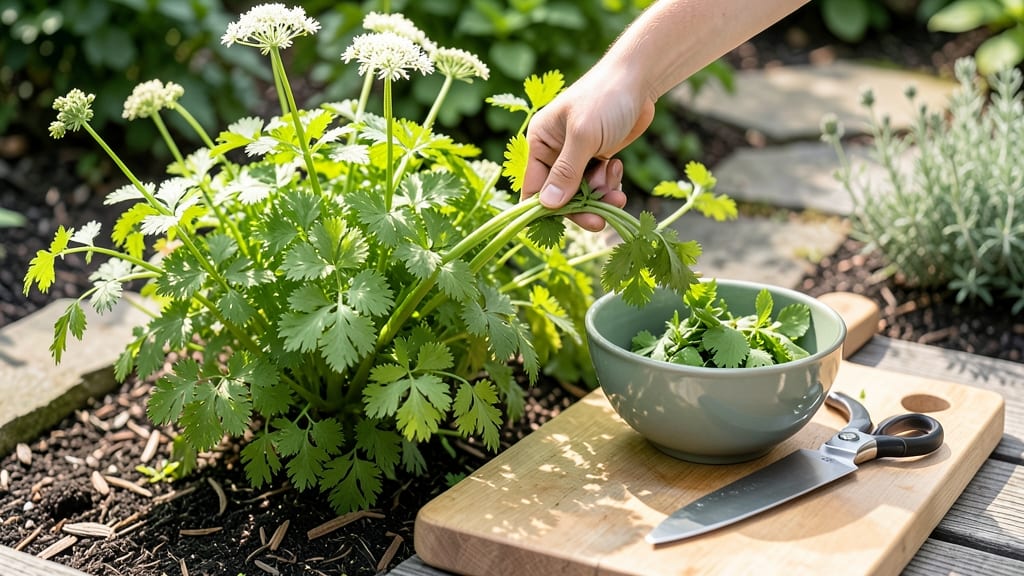
Harvesting cilantro at the right time ensures its bright, citrusy flavor stays vibrant and your plant keeps producing 🌿—but many gardeners miss the window and end up with bitter leaves or wasted plants.
You might think waiting for the biggest leaves is best, but those are often on the verge of bolting, which turns your cilantro into a woody, seed-filled mess. The secret? Cutting when leaves hit 3-4 inches—just as they’re fully formed but before they flower.
This guide breaks down the exact steps to trim cilantro without harming the plant, plus how to store your harvest so it stays fresh for weeks.
Whether you’re growing cilantro in pots or garden beds, you’ll learn when to snip, how much to leave behind, and why some leaves taste stronger than others.
By the end, you’ll know the best time to harvest for flavor, how to encourage regrowth, and even when to let cilantro bolt for seeds. No more wasted plants—just fresh, flavorful leaves ready for your next dish.


When and how to harvest cilantro for maximum flavor
Harvesting cilantro at the right moment transforms its bright citrusy flavor into a culinary highlight. Many gardeners wait too long, allowing the plant to bolt—turning flavorful leaves into bitter, seed-filled stalks. The key is timing: harvest when leaves reach 3-4 inches long and the plant has 4-6 mature leaves.
This ensures maximum freshness for your favorite dishes while keeping the plant healthy for regrowth.
Cilantro thrives on a regular harvesting schedule. Unlike some herbs, it doesn’t need to mature fully before cutting—you can start harvesting as soon as the leaves are large enough to use.
The secret lies in cutting stems properly to encourage bushier growth. Avoid overharvesting, though; never take more than one-third of the plant at once, or you risk stunting its ability to regenerate.
Here’s what you need to know to harvest cilantro like a pro:
One of the biggest mistakes gardeners make is cutting stems too close to the base. Always leave at least 1-2 inches of stem to protect the plant’s growth point.
Another common error? Harvesting during peak heat, which stresses the plant. Instead, choose cool morning hours for the best results and to preserve flavor.
If your cilantro starts to bolt, don’t panic—it’s still usable! The leaves near the base remain tender and flavorful, while the seeds and flowers can be used in dishes like tacos or curries.
To prevent bolting in future batches, ensure your plants get consistent moisture and partial shade during hot afternoons.
For indoor cilantro, harvesting is even simpler. Place your pot near a south-facing window or under grow lights to maintain steady growth. Indoor plants often bolt faster due to heat from appliances, so monitor them closely. A small fan nearby can help circulate air and delay bolting.
After harvesting, rinse cilantro gently under cool water to remove dirt, then pat dry with a paper towel. Store it in an airtight container with a damp paper towel to retain freshness.
For long-term storage, consider freezing leaves in ice cubes or drying them for later use in seasoning blends.
With the right techniques, your cilantro will keep producing flavorful leaves for weeks. The key is consistency: harvest regularly, avoid over-cutting, and watch for signs of stress. Soon, you’ll have a steady supply of fresh cilantro ready for salsas, soups, and garnishes all season long.
🌿
Step-by-step cilantro harvesting techniques for beginners
Harvesting cilantro correctly ensures you get the brightest flavor and encourage regrowth for future harvests. The key is timing—wait until the plant has 4-6 mature leaves and stems are firm but not woody.
Cutting too early means smaller leaves, while waiting too long risks bolting (flowering), which turns the leaves bitter.
Outdoor cilantro thrives in cool weather (60-75°F), while indoor plants need bright indirect light and consistent moisture. Both benefit from regular pruning, which prevents legginess and bolting. Use clean, sharp tools to avoid damaging stems, and always harvest in the morning when leaves are hydrated.
How to Harvest Cilantro Like a Pro
-
Step 1: Gather Tools
Clean sharp scissors or pruning shears, a bowl or container, and gloves (optional). Avoid dull tools that crush stems. -
Step 2: Identify Harvest Points
Look for outer leaves that are 3-4 inches long and fully green. Avoid cutting into the center stem—this stunts growth. -
Step 3: Cut at the Right Angle
Hold the stem at a 45-degree angle, about 1/4 inch above a leaf node. This encourages new growth from the base. -
Step 4: Harvest Strategically
For indoor plants, trim 1-2 outer leaves per harvest. For outdoor plants, cut 1/3 of the plant at a time to avoid shocking it. -
Step 5: Encourage Regrowth
After harvesting, water deeply and place the plant in bright light. Avoid overcrowding—thin seedlings to 2-3 inches apart for better airflow. -
Step 6: Store Freshly Cut Cilantro
Rinse leaves with cool water, pat dry, and store in a sealed container with a paper towel to absorb moisture. Use within 5-7 days for peak flavor.
Indoor cilantro may grow slower due to limited sunlight, so supplement with a grow light if leaves turn pale. Outdoor plants in hot climates bolt faster—opt for shade cloth during peak afternoon sun. Always harvest before flowering to preserve that fresh, citrusy taste.
Pro tip: If your cilantro bolts, don’t toss it! The seeds (coriander) are edible and add a unique flavor to baked goods or spice blends. Simply dry the seed pods and grind them for a homemade coriander spice. Just remember—harvesting leaves too late means losing that prized flavor.
With these techniques, you’ll enjoy bountiful cilantro harvests all season long, whether you’re growing it in pots on your balcony or in a garden bed. Happy harvesting! 🌿✂️