
How To
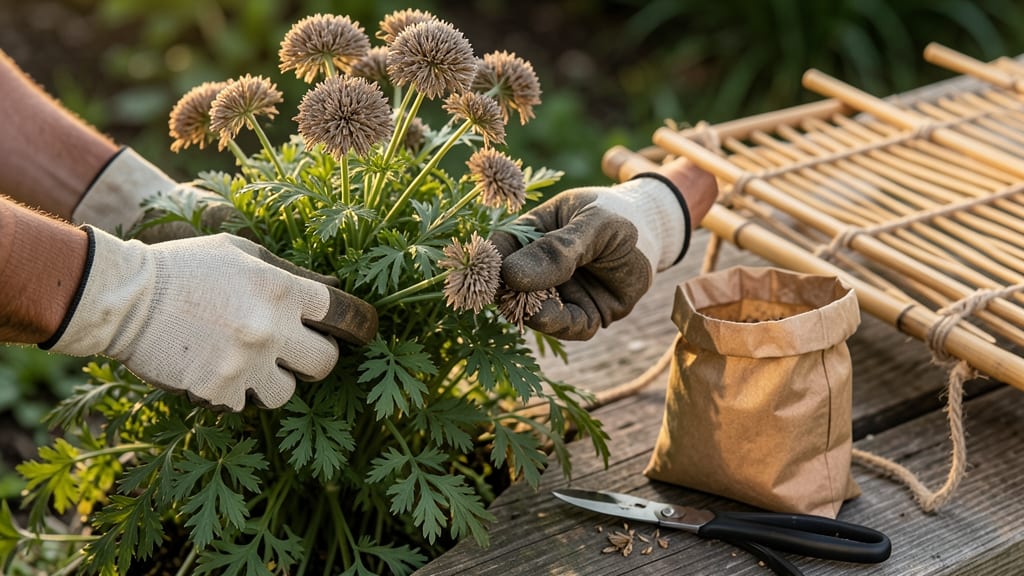
Harvesting coriander seeds when they turn brown and shatter easily is the secret to saving your own spice for years to come 🌿.
Struggling to save coriander seeds before they shatter and disappear? Timing your harvest correctly transforms your kitchen garden from a fleeting crop to a year-round seed source—here’s exactly how to do it.
Most gardeners pull their coriander as soon as the leaves bolt, but that’s when the real magic starts. Those dry, brown seed pods are packed with flavor, and knowing when to harvest them means never buying coriander seeds again.
Below, I’ll walk you through the key signs of seed readiness, the best way to collect them without losing a single one, and how to dry and store them for long-term use in your kitchen.


When to harvest coriander seeds: identifying the perfect ripeness stage
Coriander plants bolt quickly when they sense longer daylight hours or heat stress, sending up flower stalks that eventually produce seeds. If you miss the timing, those dry seed pods will shatter, scattering seeds everywhere—leaving you with nothing to save.
The key is recognizing the exact maturity stage when seeds are ready for harvest but haven’t yet released.
Watch for three critical signs of seed readiness: the seed pods turning brown, the leaves yellowing and dying back, and a rattling sound when you shake the stalks. These clues signal the optimal 3-5 day harvest window before the pods split open naturally.
Timing is everything—harvest too early, and seeds won’t germinate; too late, and you’ll lose your crop to wind.
Environmental factors like temperature swings and humidity levels can accelerate or delay seed ripening. In hot, dry climates, coriander bolts faster, so monitor plants daily after flowering begins. Conversely, cool, cloudy weather may extend the green pod stage—don’t rush harvesting until pods turn uniformly brown.
Pro tip: Cut entire stalks when 50% of pods are brown, then finish drying indoors. This two-stage approach prevents premature shattering while ensuring all seeds mature evenly. Place stalks in a paper bag to catch any stray seeds that release during drying.
If your coriander plants bolt unexpectedly early, blame heat stress or crowded conditions. To prevent this next season, space plants 6-8 inches apart and provide afternoon shade during summer months. A little extra care now means a reliable seed harvest later.
Never harvest seeds from plants that have yellowed leaves and wilted stalks—this signals overripe or diseased seeds. Instead, focus on healthy, upright stalks with firm, brown pods.
A quick seed viability test later will confirm your timing was perfect: crush a few seeds between your fingers—if they crush easily into powder, they’re ready for storage.
For gardeners in USDA Zones 6a-10, aim to harvest seeds between late spring and early fall, aligning with coriander’s 60-90 day growth cycle. In cooler zones, start seeds indoors 8-10 weeks before your last frost date to extend the growing season and secure a seed crop.
One common mistake is harvesting seeds too early because the pods look dry. Test readiness by squeezing a pod gently—if seeds inside don’t rattle, they need more time. Patience pays off: fully mature seeds store best and germinate at rates over 85%.
Remember, coriander seeds shatter violently when mature, so work quickly on windy days. If seeds scatter before you’re ready, cover stalks with breathable fabric to contain them until harvest.
With practice, you’ll master the art of timing and turn your coriander plants into a self-sustaining seed source year after year.
Step-by-step method for harvesting and drying coriander seeds at home
Once your coriander plants bolt and develop brown seed pods, you’ve got a 48-hour window to harvest before they shatter and scatter seeds everywhere. The key is acting fast while ensuring the seeds stay viable for next season’s garden.
I’ll walk you through my foolproof method for harvesting, drying, and storing coriander seeds at home—no special equipment required!
Gather these essential tools before starting: a pair of clean scissors, a brown paper bag (or breathable cloth), a drying rack (or clean cookie sheet), and a paper towel for cleanup.
A small fan helps speed up drying if humidity is high in your area. The goal is to mimic natural drying conditions while preventing mold or premature shattering.
How to Harvest Coriander Seeds: Step-by-Step
- Step 1: Cut the entire seed stalk just above the base using clean scissors. Include 1-2 inches of stem to support the pods during drying.
- Step 2: Hang the stalk upside down in a well-ventilated area (like a garage or shed) using a paper clip and string. This prevents seeds from falling out prematurely.
- Step 3: Place a brown paper bag under the stalk to catch any shattered seeds. Check daily for 3-5 days until pods turn deep brown and brittle.
- Step 4: Once dry, gently rub the pods between your hands over the paper bag to release seeds. Discard empty pods or debris.
- Step 5: Spread seeds on a paper towel in a single layer and let them air-dry for 24 more hours to ensure 100% moisture removal.
- Step 6: Store dried seeds in a glass jar with a silica gel packet in a cool, dark place (like your pantry). Label with the harvest year!
If your climate is humid or rainy, skip air-drying and use your oven on the lowest setting (150°F/65°C). Spread seeds on a baking sheet for 1-2 hours, stirring every 30 minutes to prevent overheating. Test for dryness by crushing a seed—it should powder easily with no moisture.
Watch for mold or webbing, which signals high humidity. If you see this, discard the batch immediately and try again with better ventilation. Premature shattering? You missed the brown pod stage—next time, harvest earlier before pods split open naturally.
Pro tip: Test a few seeds by placing them between damp paper towels in a ziplock bag for a week. If they sprout green shoots, your seeds are viable and ready for next year’s garden! 🌱