
How To
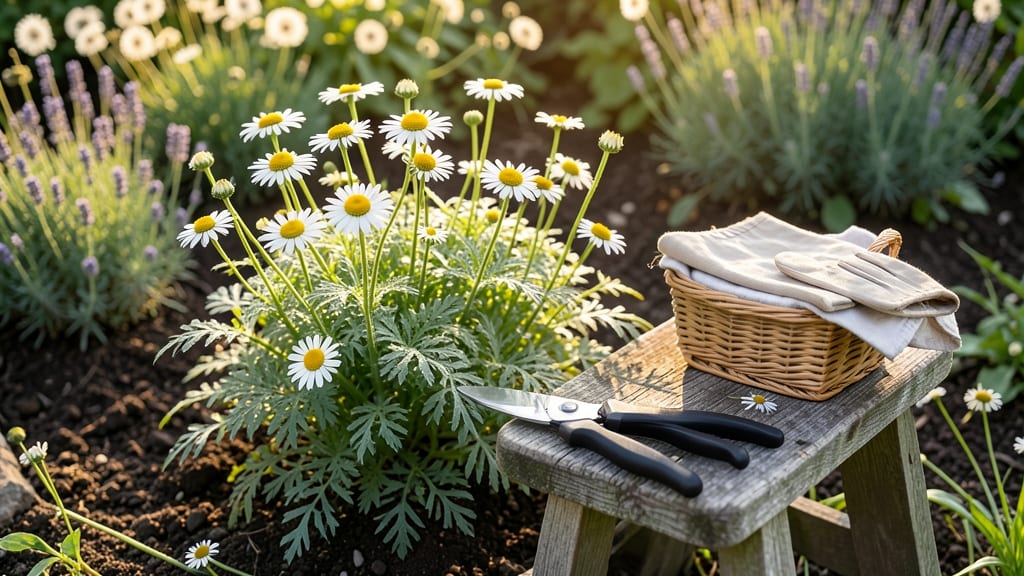
To harvest chamomile at its peak for tea, dried bundles, or potpourri, you’ll want to snip the blooms just as their petals fully unfurl—but before the yellow centers brown.
Picture this: a morning so crisp you can smell the earth, your garden alive with 🌼 chamomile standing tall and fragrant. One wrong cut, and you’re left with bitter, wilted flowers that ruin your tea blend. That’s why timing, sharp tools, and a little patience are everything.
Harvesting chamomile isn’t just about plucking flowers—it’s about preserving their delicate flavor and medicinal properties. Whether you’re drying them for soothing tea or crafting homemade remedies, the right technique ensures every bloom retains its signature sweetness and calming aroma.
In this guide, I’ll walk you through the exact steps to harvest chamomile, from recognizing the perfect bloom to drying and storing your harvest for up to a year.
You’ll learn when to cut for the strongest flavor, how to avoid common mistakes, and even how to repurpose your chamomile into DIY teas or skincare treats.


When to harvest chamomile for maximum flavor and potency
Timing your chamomile harvest is everything—picking too early means weak flavor, while waiting too long turns those delicate blooms bitter. The best time to harvest chamomile is when 70-80% of the flower heads are fully open but still fresh, typically in the early morning after dew dries.
This ensures maximum essential oil potency and sweet aroma, which fade quickly once blooms reach peak maturity.
German chamomile (Matricaria chamomilla) and Roman chamomile (Chamaemelum nobile) have slightly different harvest cues. German chamomile—often used for tea—should be harvested when its petals are fully unfurled but before they brown.
Roman chamomile, prized for its stronger floral scent, is ready when its white petals form a perfect daisy shape around the yellow center. Ignoring these stages leads to dull, less aromatic flowers.
Here’s the golden rule: Never harvest chamomile after midday, as the sun’s heat reduces essential oils and causes early wilting. If you must harvest later, choose shady days or after rain to preserve moisture and freshness.
The ideal harvest window is between 6 AM and 9 AM, when dew has evaporated but temperatures are cool.
Seasonal timing matters too. In most US climates (zones 5-9), chamomile blooms from late spring to early fall, with peak harvests in June through August. In cooler regions (zones 3-4), wait until after the last frost—typically May or June—before harvesting.
Southern growers (zones 10+) can harvest year-round, but avoid extreme heat, which stresses the plants.
| Harvest Stage | Key Features | Best Time of Day | Seasonal Window |
|---|---|---|---|
| German Chamomile | Petals fully open, white with yellow center | 6–9 AM (dew-dry) | June–August |
| Roman Chamomile | Daisy-shaped, fragrant, no browning | 7–10 AM (cooler hours) | May–September |
| Avoid Harvesting | Closed buds, wilted petals, brown edges | Afternoon (heat stress) | Frost risk months |
🌼 Pro Tip: Harvest every 2–3 days to encourage continuous blooming.
One of the biggest mistakes gardeners make is harvesting overripe chamomile. When petals turn brown or the flower head collapses, the flavor becomes bitter and medicinal notes dominate.
For tea blends, this ruins the delicate apple-like sweetness chamomile is known for. Always cut stems just above a leaf node to encourage new growth and more blooms.
Humidity also plays a role. In high-humidity climates, harvest on dry, sunny mornings to prevent mold during drying. If rain is forecast, harvest 24 hours early and dry indoors. Conversely, in arid regions, harvest slightly earlier (when 60% of petals open) to retain moisture for drying.
To test if your chamomile is ready, gently brush a bloom—if the petals fall off easily and release a strong, sweet aroma, it’s perfect. If the petals resist or smell dull, wait another day. This simple trick saves hours of drying low-potency flowers that won’t make great tea.
Finally, avoid harvesting chamomile after it’s been exposed to pesticides or herbicides, as these chemicals can linger in the essential oils. If your garden uses organic sprays, wait at least 7 days after application before harvesting.
For the best flavor and safety, grow chamomile in pesticide-free soil and hand-pull weeds to avoid stressing the plants.
With the right timing, your chamomile harvest will yield fragrant, high-quality blooms perfect for tea, potpourri, or medicinal tinctures. The difference between a mediocre cup of tea and a luxurious, soothing brew often comes down to these simple harvest rules.
Start practicing now, and your garden will thank you with bountiful, potent chamomile all season long. 🌿
Step-by-step chamomile harvesting techniques for dried flowers & tea
Harvesting chamomile requires gentle precision to preserve its delicate aroma and medicinal properties. The right technique ensures your dried flowers stay potent for 12+ months—perfect for tea blends or potpourri. Start by selecting the right tools and following a timed approach to avoid bitterness or wilting.
Use sharp scissors or pruning shears to cut stems cleanly, never pulling flowers by hand. This prevents damage to the roots and neighboring plants. Always harvest on dry, sunny mornings when essential oils are at their peak.
Avoid harvesting after rain or when dew is present, as moisture can lead to mold during drying.
Step-by-Step Chamomile Harvesting Guide
- Step 1: Choose fully bloomed chamomile flowers with white petals and yellow centers. Avoid overripe or wilted blooms.
- Step 2: Cut stems 3-4 inches below the flower head using sterilized scissors. Harvest early morning for maximum oil potency.
- Step 3: Gather 20-30 stems and tie them into small bunches with twine or rubber bands. Hang upside down in a well-ventilated, dark space.
- Step 4: Air-dry for 7-10 days until petals crumble easily. Alternatively, use a dehydrator at 95°F (35°C) for 2-3 hours.
- Step 5: Store dried chamomile in airtight glass jars away from light and moisture. Label with the harvest date for freshness tracking.
For German chamomile, harvest when the outer petals begin to curl back, as this signals peak oil content. Roman chamomile, with its double-layered blooms, should be picked when fully open but still firm to the touch.
Overharvesting weakens plants, so leave at least one-third of blooms to ensure regrowth.
After drying, test your chamomile by crushing a few petals between your fingers. If they crumble into fine powder, they’re ready for storage. For longer shelf life, store jars in the freezer for up to 2 years, though room-temperature storage works for 12+ months if kept dry.
Properly harvested and dried chamomile retains its soothing scent and anti-inflammatory properties. Use it in DIY tea blends, skincare infusions, or even homemade potpourri. Just remember: patience and precision are key to unlocking chamomile’s full potential! 🌼