
How To
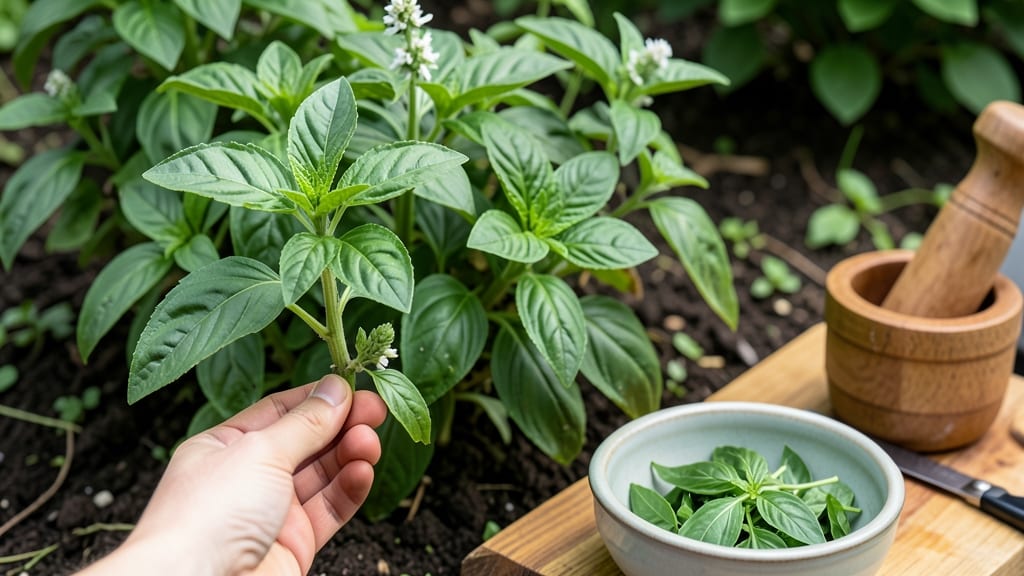
To harvest basil for pesto, you’ll want to pick leaves when they’re freshest and most aromatic—typically between June and September—so you capture that vibrant, sweet flavor that makes homemade pesto shine.
Picture this: you’re about to make a batch of pesto, but your basil leaves taste dull or bitter. That’s a sign you missed the perfect window—or worse, over-harvested the plant.
The key is timing and technique, and I’ve got the exact steps to ensure your basil stays flavorful and keeps growing strong.
You don’t need a green thumb to do this right. With just a few simple cuts and a little care, you can harvest basil in a way that encourages more growth and keeps your pesto tasting like summer every time.
Whether you’re a beginner or a seasoned gardener, these tips will help you avoid common mistakes and maximize your yield.
From knowing when to pinch those leaves to storing them properly, I’ll walk you through the entire process—so you can enjoy bold, fresh basil for pesto all season long, without stressing the plant or wasting a single leaf.


When and how to harvest basil for peak pesto flavor
Harvesting basil at the right time transforms your pesto from bland to bold. The key lies in understanding your plant's growth stages and harvesting cues. Basil reaches peak flavor between 45-60 days after planting, when leaves are large, aromatic, and free of bitterness.
Timing matters—harvest too early, and the flavor won't develop; wait too long, and the leaves turn tough or bitter. For pesto perfection, focus on morning harvests when essential oils are most concentrated.
Your basil plant signals readiness through visual and aromatic cues. Look for dark green, glossy leaves measuring about 2-3 inches long, firm stems, and a strong, sweet fragrance when crushed. These signs indicate the plant has reached its optimal flavor window.
Seasonally, basil thrives from June through September in most climates, but container-grown basil can extend your harvest window with proper care.
🌿 5 Key Steps to Harvest Basil for Pesto
- 1. Choose the right time: Harvest in the morning after dew dries but before 10 AM for peak flavor.
- 2. Select mature leaves: Pick leaves from the top third of stems where they're largest and most aromatic.
- 3. Use proper technique: Pinch (thumb + forefinger) or cut just above leaf nodes to encourage bushier growth.
- 4. Avoid over-harvesting: Never take more than 1/3 of the plant at once to maintain healthy regrowth.
- 5. Store properly: Keep leaves in a sealed container with a paper towel to absorb moisture for 5-7 days of freshness.
Two harvesting methods yield different results: pinching and cutting. Pinching—removing entire leaves with your fingers—encourages bushier growth and is ideal for maintaining compact plants. For larger harvests, cut stems just above leaf nodes using clean scissors.
This method produces more leaves per cut but requires careful spacing to avoid overcrowding. I prefer pinching for container basil since it promotes denser foliage perfect for pesto-making.
Seasonal timing affects basil's flavor and yield. In spring, focus on establishing healthy plants by harvesting lightly. By summer, when temperatures rise, basil grows rapidly—this is prime harvest time. As fall approaches, reduce harvesting frequency to let plants store energy for next year.
If your basil flowers, harvest before buds open to prevent bitterness, which develops as flowers mature. For container-grown basil, you can extend the season by bringing pots indoors before the first frost.
Recognizing over-mature signs prevents bitter pesto. Watch for woody stems, yellowing leaves, or flower buds—all indicators your basil has passed its prime. Over-mature leaves contain eugenol, a compound that adds bitterness.
To revive a neglected basil plant, trim back 1/3 of the plant to encourage new growth, but expect a 2-3 week recovery period before harvesting again. Regular harvesting actually extends the plant's productive life by preventing over-maturation.
For container-grown basil, harvesting techniques differ slightly due to limited space. Use your fingers to pinch leaves rather than cutting, which can damage stems in small pots. When harvesting from containers, avoid removing more than 2-3 leaves per stem to maintain airflow and prevent fungal issues.
Container basil often produces more tender leaves than in-ground plants, making them ideal for delicate pesto recipes. Remember to water thoroughly after harvesting to support regrowth in the confined space.
Preserving freshly harvested basil maximizes its pesto potential. Store leaves in the fridge wrapped in a damp paper towel inside a sealed container for up to 7 days. For longer storage, freeze leaves in ice cube trays with water or olive oil—perfect for quick pesto additions.
Alternatively, dry leaves by hanging stems upside down in a dark, well-ventilated area for 1-2 weeks. Dried basil loses some moisture but retains 70% of its original flavor, making it a great backup for pesto recipes.
Harvesting basil correctly creates a feedback loop of better flavor and healthier plants. The more you harvest properly, the more aromatic and productive your basil becomes. I've found that plants harvested weekly during peak season produce 30% more leaves than those left untouched.
This cycle ensures you always have fresh, flavorful basil for pesto-making throughout the growing season. The key is consistency—harvest regularly, store properly, and your basil will reward you with bountiful, high-quality leaves all season long.
Remember that basil's flavor peaks during its active growth phase. By following these harvesting guidelines, you'll consistently produce pesto with rich, sweet basil notes that elevate any dish. The secret lies in timing, technique, and regular care—three simple elements that transform your garden into a pesto powerhouse. 🌱
Step-by-step basil harvesting guide for perfect pesto leaves
Harvesting basil at the right time transforms your pesto from bland to bold. The key lies in selecting mature leaves while encouraging your plant to keep producing. I’ve learned that morning harvests yield the most aromatic leaves—when essential oils are at their peak.
Whether you’re growing basil in containers or garden beds, these steps will help you gather the perfect leaves for your next pesto batch.
Before you begin, ensure your basil plant is ready. Look for dark green, glossy leaves that are fully developed and emit a strong, sweet fragrance when crushed. Avoid harvesting from stems that feel woody or have yellowing leaves, as these indicate maturity past the ideal window for pesto-making.
How to Harvest Basil for Pesto
- 1 Choose the right stems: Select stems with at least 4-6 mature leaves. Avoid cutting the main stem unless it’s overgrown.
- 2 Use clean pruners or scissors: Make a 45-degree angle cut just above a leaf node. This encourages new growth from that point.
- 3 Harvest in the morning: Pick leaves between 8 AM and 10 AM when essential oils are concentrated, ensuring maximum flavor.
- 4 Leave 2-3 leaves per stem: Never remove more than 1/3 of the plant at once. This prevents stress and promotes bushier growth.
- 5 Rinse and dry immediately: Gently wash leaves in cool water and pat dry with a clean towel. Avoid soaking to prevent wilting.
- 6 Store properly for freshness: Place leaves in a paper towel-lined container and refrigerate for up to 5 days or freeze for longer storage.
After harvesting, I always fertilize lightly with a balanced 10-10-10 mix to encourage regrowth. Basil plants thrive when given consistent care, so water deeply after harvesting to replenish moisture lost during the process. Avoid overwatering, though—soggy soil can lead to root rot and bitter-tasting leaves.
For continuous pesto-making, I recommend harvesting every 2-3 weeks during the growing season. This schedule keeps your basil plant productive and ensures you always have fresh, flavorful leaves on hand.
If your plant starts to flower, pinch off the buds immediately—flowering reduces leaf quality and can make your pesto taste bitter.
Pro tip: Save the larger stems for homemade basil oil or infusions. These can be blended with olive oil and stored in a dark bottle for up to 3 months, adding depth to your pesto recipes without overpowering them.