
How To
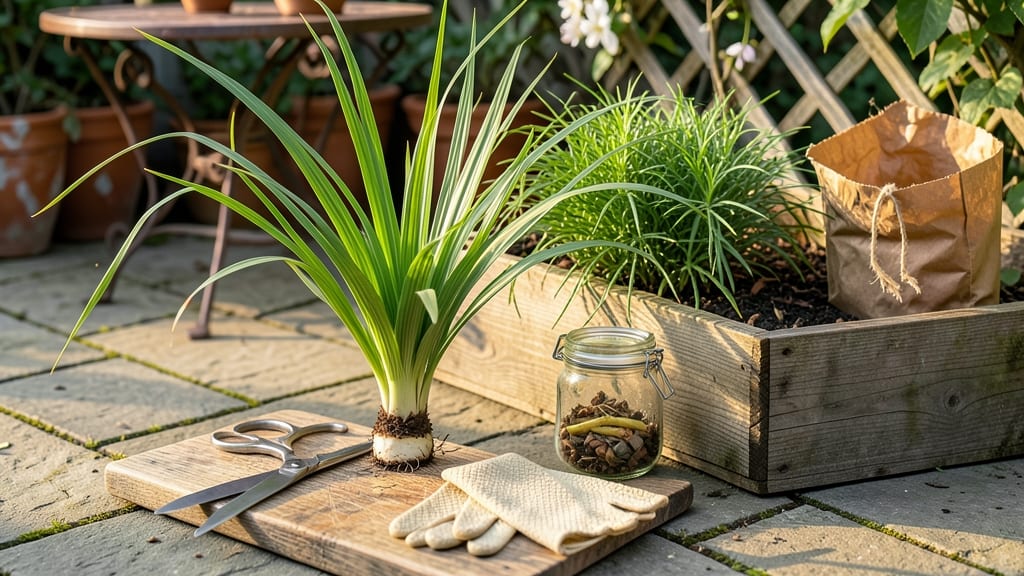
To harvest and store lemon grass properly means unlocking its brightest citrus flavor for months—no more limp stalks or faded taste when you need them most.
Picture this: you’ve grown your own 🌿 lemon grass, and now you want to preserve its zesty punch for soups, teas, or stir-fries. The secret lies in timing your harvest just right and storing it the way pros do—whether you’re freezing, drying, or keeping it fresh.
Harvesting too early or too late can turn that bold aroma into a sad shadow of itself. I’ve made that mistake (twice), and let me tell you—there’s a sweet spot for cutting stems at 12-18 inches, before they flower.
After that, I’ll walk you through the best storage tricks to keep your lemon grass tasting fresh for up to a year.
From reviving regrowth after harvest to avoiding common pitfalls, this guide covers everything you need to turn your garden’s lemon grass into a year-round flavor powerhouse.


When and how to harvest lemon grass for maximum flavor
Harvesting lemon grass at the right time ensures its bold citrus flavor and aromatic potency stay intact. The best time to harvest is when the stalks reach 12-18 inches tall, typically 60-90 days after planting.
This is when the leaves are fully elongated and vibrant green, signaling peak freshness. If you wait too long, the stalks may become woody or flower, which dulls the flavor.
Younger stalks (around 10-12 inches) are tender and perfect for delicate recipes, while mature stalks (up to 18 inches) offer a stronger, more robust flavor. Always harvest before the plant flowers, as flowering signals the end of its prime flavor window.
Use a sharp knife or pruning shears to cut the stalks cleanly, leaving about 2 inches of growth to encourage regrowth.
Here’s a quick reference for optimal harvesting conditions:
| Stage | Stalk Height | Leaf Color | Aroma Test | Harvest Tip |
|---|---|---|---|---|
| Young Stalks | 10-12 inches | Bright green | Mild lemon scent | Use for soups, teas |
| Mature Stalks | 12-18 inches | Deep green | Strong citrus aroma | Best for cooking, freezing |
| Over-Mature | 18+ inches | Yellowing or woody | Dull or no scent | Avoid for flavor |
To test for readiness, gently crush a leaf near the base. If it releases a strong lemon scent, it’s ready to harvest. Avoid cutting stalks that are soft or flopping, as this indicates poor health or over-maturity.
Always harvest on a dry day to prevent mold growth during storage. Store freshly cut stalks in a sealed container with a damp paper towel to maintain freshness for up to 2 weeks in the fridge.
After harvesting, your lemon grass plant will regrow from the base. To encourage vigorous regrowth, trim the stalks at a 45-degree angle just above a leaf node. This method promotes new shoots and keeps the plant productive for months.
If you notice the plant slowing down after multiple harvests, consider dividing it or replanting to refresh its growth cycle.
One common mistake is harvesting too many stalks at once, which can stress the plant. Limit yourself to 2-3 stalks per harvest to maintain its health. Also, avoid harvesting in extreme heat, as the plant’s flavor can become bitter.
Early morning is the ideal time to harvest, as the essential oils are most concentrated then.
For year-round lemon grass, grow it in containers and bring it indoors before the first frost. Place it near a south-facing window or under grow lights to keep it thriving.
With proper care, a single plant can provide harvests for 3-4 years, making it a cost-effective and flavorful addition to your garden.
Finally, if you’re unsure whether your lemon grass is ready, look for these three key signs: tall, upright stalks, vibrant green leaves, and a powerful lemon aroma. When all three are present, you’re ready to harvest for the best flavor and aroma.
With these tips, you’ll always know when and how to harvest lemon grass for maximum flavor and long-term usability in your garden and kitchen. Happy harvesting! 🌿
Best lemon grass storage methods: fresh, dried, OR frozen?
Once you’ve harvested your lemon grass at peak freshness, proper storage is key to preserving its bold citrus flavor. Whether you prefer whole stalks, chopped pieces, or blended paste, each method offers unique benefits.
The right technique ensures you enjoy that vibrant aroma long after harvest season ends.
Fresh lemon grass stays vibrant in the refrigerator for up to 2 weeks, while freezing extends shelf life to 6 months. Drying preserves flavor for 1 year but requires careful handling to avoid moisture loss.
Your choice depends on how you plan to use it—whether for soups, teas, or infused oils.
Lemon Grass Storage Comparison
Fresh Storage
- Pros: Ready-to-use, retains full flavor
- Cons: Short shelf life (2 weeks max)
Drying
- Pros: Long shelf life (1 year), compact storage
- Cons: Flavor less intense, requires rehydration
Freezing
- Pros: Retains flavor for 6 months, easy to use
- Cons: Slight texture change, bulkier storage
For fresh storage, wrap whole stalks in a damp paper towel and place them in a sealed plastic bag. Store in the crispest drawer of your fridge to slow moisture loss.
If using chopped lemon grass, freeze it in ice cube trays with water or oil for easy portioning later.
To dry lemon grass, tie stalks in small bundles and hang them upside down in a well-ventilated, dark place for 2-3 weeks. Once completely dry, strip the leaves and store them in an airtight container.
For freezing chopped grass, spread it on a tray to prevent clumping before transferring to a freezer bag.
Reviving dried lemon grass is simple—just soak the stalks in warm water for 10-15 minutes before use. Frozen lemon grass can be added directly to dishes without thawing, making it a convenient option for quick cooking. Always label your storage containers with the date to track freshness.
No matter which method you choose, proper storage ensures your lemon grass remains flavorful and ready for your next culinary creation. Experiment with each technique to find what works best for your gardening and cooking needs!