
How To
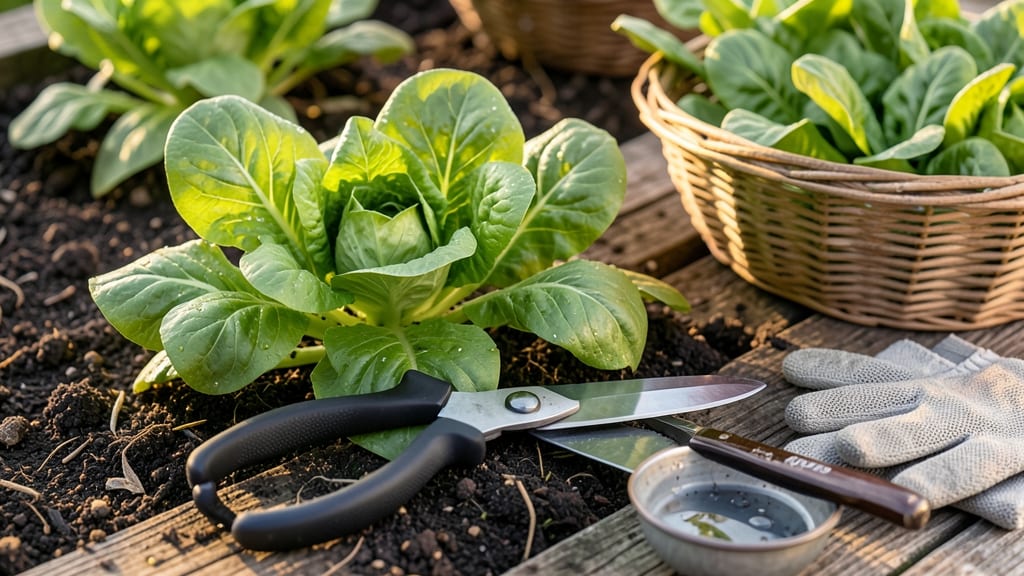
Harvesting Bibb lettuce 🥬 when the leaves reach 4 inches guarantees the crispest, most flavorful greens—but timing and technique make all the difference.
Picture this: You’ve nurtured your Bibb lettuce for weeks, and now the outer leaves are fully formed. But if you cut too early, you’ll miss peak flavor, and if you wait too long, the leaves may bolt or turn bitter.
The secret lies in knowing exactly when to harvest and how to do it without sacrificing future growth.
This guide will walk you through the ideal harvest window, step-by-step cutting techniques to keep your lettuce producing, and post-harvest care tips to extend freshness. Whether you’re a beginner or a seasoned gardener, these tricks will help you enjoy a steady supply of homegrown Bibb lettuce all season long.
From recognizing the perfect leaf size to storing your harvest properly, you’ll learn everything you need to make the most of your garden’s bounty—without wasting a single crisp, vibrant leaf.


When to harvest Bibb lettuce for maximum flavor and texture
Timing your Bibb lettuce harvest correctly transforms your garden into a flavor factory. These tender leaves reach their peak crispness and sweetness when harvested at the right moment—typically between 30-60 days after planting.
Waiting too long risks bitterness or bolting, while harvesting too early means sacrificing full flavor potential. Understanding the visual and environmental cues will help you master this delicate balance.
One of the most reliable indicators of harvest readiness is leaf size. Aim to harvest when the outer leaves reach 4-6 inches in length, as this suggests they've developed enough crisp texture and nutrient density.
Younger leaves may still taste mild but lack the satisfying crunch. The inner rosette should remain intact, allowing the plant to continue producing new growth if you practice the cut-and-come-again method.
Weather plays a crucial role in determining the best harvest window. Cool spring temperatures (between 50-70°F) create ideal growing conditions for Bibb lettuce, enhancing flavor and texture. If your region experiences hot summer heat, lettuce may bolt prematurely.
In such cases, prioritize harvesting during morning hours when leaves are cool and hydrated, ensuring the best taste and texture.
| Harvest Stage | Leaf Characteristics | Days After Planting | Ideal Climate |
|---|---|---|---|
| Early Harvest | Leaves 2-3 inches, tender but less crisp | 30-40 | Cool (50-65°F) |
| Peak Harvest | Leaves 4-6 inches, deep green, crisp | 45-55 | Cool to mild (50-70°F) |
| Late Harvest | Leaves 6+ inches, may develop bitterness | 60+ | Warm (70-80°F) |
| Bolting Risk | Yellowing leaves, tall stems | N/A | Hot (>80°F) |
Seasonal adjustments are key to successful Bibb lettuce harvesting. In spring, when temperatures are mild and days are lengthening, you can expect a steady supply of harvest-ready leaves every 2-3 weeks.
For fall plantings, aim to harvest before the first frost hits, typically between late September and October in most USDA Zone 6a regions. If you're growing Bibb lettuce in warmer climates, consider providing afternoon shade to prevent bolting and maintain sweetness.
Identifying over-mature leaves is just as important as spotting the perfect harvest window. Look for signs like yellowing edges, wrinkled textures, or bitter flavors—these indicate the lettuce has passed its prime.
Over-mature leaves often develop a hollow stem and may taste harsh, making them less enjoyable in salads. If you notice these traits, focus on harvesting the younger inner leaves while discarding the older ones.
For gardeners in cooler climates, like those in the Pacific Northwest or New England, Bibb lettuce thrives year-round with proper protection. Use row covers or cold frames to extend the growing season and delay bolting.
In hot, dry regions, like the Southwest, prioritize shade cloth and consistent watering to keep leaves tender. These adjustments ensure your Bibb lettuce stays in its optimal harvest window for as long as possible.
Another pro tip: Harvest outer leaves first to encourage continuous growth. This method, known as cut-and-come-again, allows the plant to regenerate new leaves from the center.
By removing only the largest, most mature leaves, you can extend your harvest season by 3-4 weeks compared to harvesting the entire head at once. This technique also reduces waste and maximizes your garden's productivity.
Pay attention to the time of day when harvesting for the best results. Early morning is ideal because leaves are firm and hydrated after a night's rest. Avoid harvesting in the afternoon heat, as the leaves may wilt quickly and lose their crispness.
If you must harvest later in the day, place the lettuce in a cool, shaded spot immediately to preserve freshness until you're ready to use or store it.
Finally, don't overlook the importance of soil health in influencing harvest timing. Well-draining, nitrogen-rich soil promotes faster growth and larger leaves, while poor soil conditions can delay maturity. If your Bibb lettuce isn't reaching harvest size on schedule, consider adding a balanced fertilizer (like 5-10-10) to encourage leafy growth.
Just be cautious not to over-fertilize, as this can lead to rapid but bitter leaf production.
Mastering the art of harvesting Bibb lettuce is all about observing your plants closely and responding to their needs. With these tips, you'll enjoy a steady supply of crisp, flavorful leaves that elevate every salad, sandwich, or snack. Happy harvesting! 🥬✂️
Step-by-step Bibb lettuce harvesting techniques for beginners
Harvesting Bibb lettuce correctly ensures you enjoy tender, flavorful leaves without stressing your plants. The key is using the cut-and-come-again method, which lets you harvest multiple times from the same plant.
This technique works best when you start harvesting once the outer leaves reach 4-6 inches in length, typically around 30-45 days after planting.
Before you begin, gather your tools: a sharp pair of pruning shears or a clean knife, a bowl for your harvest, and a spray bottle with water. Avoid using dull tools, as they can crush the leaves and invite disease.
Work in the early morning when the leaves are crisp and hydrated for the best texture and flavor.
One of the most common mistakes beginners make is harvesting too aggressively or waiting until the entire plant is mature. Over-harvesting weakens the plant, while waiting too long can lead to bitterness or bolting (when the lettuce flowers prematurely).
Always prioritize leaving the inner leaves to keep your Bibb lettuce productive.
If you notice the center of your plant starting to yellow or flower, it’s a sign of bolting, often caused by stress from heat or drought. To prevent this, provide consistent moisture and mulch around the base to keep the soil cool.
Once bolting starts, the leaves will become tough and bitter, so act quickly to harvest what you can before it’s too late.
After harvesting, store your Bibb lettuce in a plastic bag with a paper towel to absorb excess moisture. Place it in the crisper drawer of your refrigerator, where it will stay fresh for 7-10 days.
For longer storage, consider freezing the leaves by blanching them first to preserve their texture.