
How To
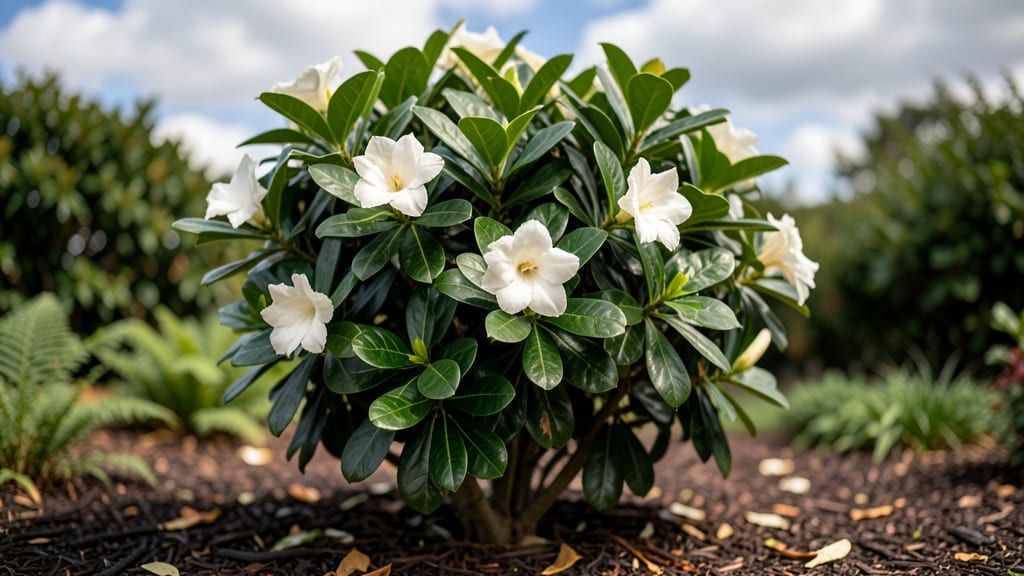
A gardenia tree can grow anywhere from 6 to 15 feet tall, depending on the variety and growing conditions—so your yard’s size and layout play a bigger role than you might think.
If you’re dreaming of fragrant gardenias but wondering whether they’ll fit in your yard, the answer depends entirely on the variety—some stay compact while others grow into towering shrubs. Gardenia jasminoides, the most common type, typically reaches 6 to 10 feet, while Gardenia augusta can stretch up to 15 feet if left unpruned.
Beyond variety, factors like pruning, sunlight, and soil quality can shrink or stretch a gardenia’s height. For example, regular pruning keeps Gardenia jasminoides at 3 to 5 feet for a dwarf look, while neglect can turn it into a small tree.
In USDA Zone 6a, where spring planting is ideal, spacing and sunlight become even more critical.
In this guide, you’ll discover how to choose the right variety for your space, when to prune for size control, and the simple tricks to keep your 🌸 gardenia tree thriving—whether you want a shrub or a small tree.


Gardenia tree height by variety: compact to towering options
Choosing a gardenia isn’t just about its intoxicating fragrance—it’s also about space planning. Gardenia jasminoides, the most common variety, typically grows between 6 to 15 feet at maturity, but some cultivars stay as short as 3 feet.
The key difference lies in the variety: dwarf types like 'Radicans' remain compact, while standard varieties like 'Kleim's Hardy' reach their full towering height.
If you’re working with limited space, dwarf gardenias are your best bet—they thrive in containers and small gardens. Meanwhile, larger varieties need room to spread, with some reaching 10 feet or more in ideal conditions. Understanding these height ranges helps you pick the perfect gardenia for your landscape or patio.
For a visual reference, imagine 'Radicans' reaching the height of a standard mailbox, while 'Kleim's Hardy' towers over a 6-foot fence. Gardenia augusta, the tallest variety, can rival small trees in your yard.
If you’re unsure which to choose, consider your space and how much maintenance you’re willing to invest—taller varieties need more pruning to control their size.
Another factor to consider is the growth rate. Dwarf varieties like 'Radicans' grow about 6–12 inches per year, while standard types can add 1–2 feet annually. This means your 10-foot gardenia could reach maturity in just 5–10 years, depending on growing conditions.
Patience pays off with these slow growers, but planning ahead ensures your gardenia fits perfectly in your design.
If you’re growing gardenias in containers, dwarf varieties are ideal—they stay manageable and can even be moved indoors during winter. Standard varieties, however, need large pots (at least 20-gallon size) to accommodate their root systems.
Always choose a container with drainage holes to prevent root rot, a common issue with gardenias.
For those in USDA Zones 7–10, gardenias thrive outdoors year-round, but colder climates may require winter protection. In Zone 6 or below, opt for 'Kleim's Hardy', a cold-hardy cultivar that tolerates brief dips to 10°F.
Even in warmer zones, pruning in late winter helps shape your gardenia and encourages healthier blooms in spring.
One common mistake is assuming all gardenias grow the same size. Gardenia augusta, for example, can double the height of 'Radicans', so spacing is critical. Plant dwarf varieties 3–5 feet apart, while standard types need 8–10 feet of space to avoid overcrowding.
Overcrowded gardenias compete for nutrients, leading to fewer flowers and weaker growth.
To maximize fragrance and blooms, pair taller varieties like 'Kleim's Hardy' with shorter companions, such as dwarf hydrangeas or sweet alyssum. This creates a layered look while keeping your gardenia as the star.
Remember, gardenias love acidic soil (pH 5.0–6.5) and partial shade, so choose a spot with morning sun and afternoon shade for the best results.
If you’re still unsure which gardenia fits your space, start with a dwarf variety—they’re low-maintenance and perfect for testing the waters. Once you’ve mastered their care, you can graduate to taller types and enjoy their dramatic presence in your landscape.
With the right variety, your gardenia will not only fill your yard with fragrance but also become a stunning focal point.
Factors that influence gardenia tree growth height
Understanding what makes your gardenia tree grow tall—or stay compact—starts with recognizing the key factors at play. Unlike some ornamental plants, gardenias respond dramatically to their environment, and a few simple adjustments can transform a 6-foot shrub into a 15-foot specimen or vice versa.
The good news? You have control over most of these variables, from the sunlight exposure you provide to the pruning techniques you use.
First, let’s address the elephant in the garden: genetics. Some gardenia varieties, like the dwarf gardenia (Gardenia jasminoides 'Radicans'), are bred to stay under 5 feet tall, while others, such as the standard gardenia, can reach 12-15 feet without intervention.
But even within the same variety, environmental factors can push your plant toward one extreme or the other.
- 🌞 Sunlight Exposure: Gardenias thrive in morning sun with afternoon shade. Too much direct sun can stunt growth, while partial shade encourages lush, upright growth. In hot climates, afternoon shade is non-negotiable for preventing heat stress.
- ✂️ Pruning Techniques: Regular pruning in late winter or early spring keeps gardenias compact. Cutting back 1/3 of the plant annually promotes bushier growth, while neglecting pruning can lead to leggy, top-heavy trees that grow uncontrollably tall.
- 🌱 Soil Quality: Acidic, well-draining soil (pH 5.0-6.5) is critical. Poor soil with high alkalinity can stunt growth, while rich, organic soil packed with compost fuels rapid, healthy expansion.
- 🌡️ Climate Zones: Gardenias in USDA Zones 6-10 grow faster with warm, humid conditions. In cooler zones, growth slows dramatically, often capping height at 6-8 feet unless protected during winter.
- 💧 Watering Practices: Deep, consistent watering encourages strong root development, which supports taller growth. Surface watering can lead to shallow roots and stunted stature, while drought stress triggers survival mode—limiting height gains.
Don’t overlook the role of fertilization, either. Gardenias respond well to acid-loving fertilizers like iron chelate or a 10-10-10 blend applied every 4-6 weeks during the growing season.
Over-fertilizing can cause rapid, weak growth, while under-fertilizing slows everything down—including height. Aim for a balance to achieve the ideal growth rate for your variety.
Finally, consider your gardenia’s container size if growing in pots. Root-bound plants grow taller as they stretch for space, while larger containers encourage wider, bushier growth.
If you’re aiming for a compact gardenia tree, choose a pot that’s at least 2 feet in diameter and repot every 2-3 years to refresh the soil.
By mastering these factors, you’ll not only control your gardenia’s height but also ensure it thrives with vibrant blooms and lush foliage. Start with the right variety for your space, then fine-tune the rest—your gardenia will thank you with years of fragrant beauty. 🌸