
Size
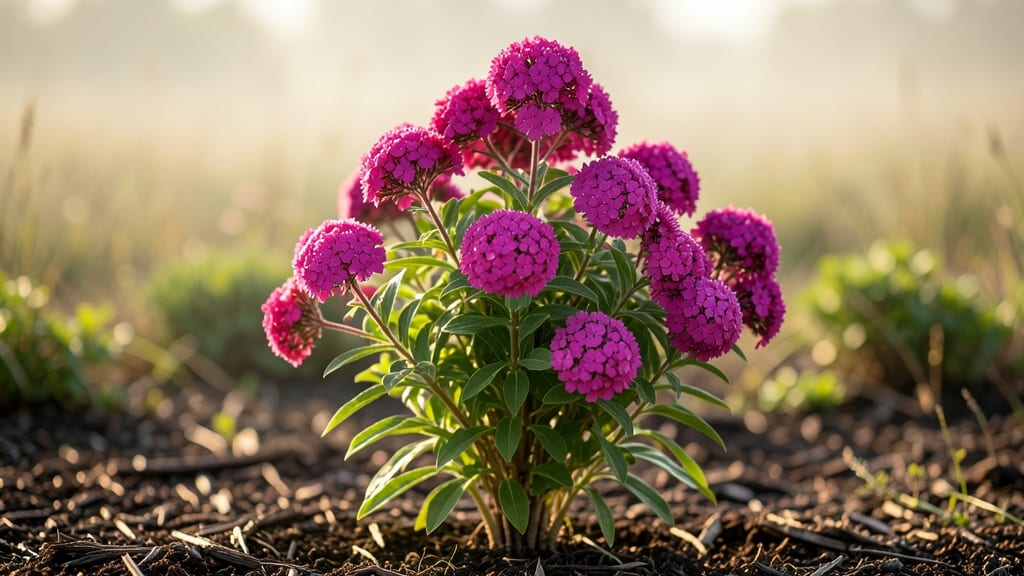
Garden phlox 🌸 can grow anywhere from 1 foot to 4 feet tall, depending on the variety and how you care for them.
If you're dreaming of vibrant summer blooms but wondering whether garden phlox will tower over your garden or stay neatly contained, you’re in the right place. The right spot and a little pruning can make all the difference—whether you want a compact border or a dramatic backdrop.
Dwarf varieties like 'David' stay under 2 feet, perfect for front-of-bed planting, while taller types like 'Lipstick' can reach 4 feet—ideal for the back of a sunny border. Even the tallest phlox won’t overwhelm if you prune them back after blooming, keeping them bushy and manageable.
Below, I’ll break down height ranges by variety, share pro tips for controlling growth, and show you how to place phlox in your garden for maximum impact—no guesswork required.


Garden phlox height ranges by variety: compact to towering options
Choosing garden phlox isn't just about their stunning lavender-pink blooms—it's about matching their height potential to your garden's layout. Some varieties stay as short as 12 inches, while others reach 4 feet tall, creating dramatic vertical interest.
The right variety can transform a small border into a lush display or anchor the back of a perennial bed with bold color.
Understanding these height differences helps you plan for sunlight exposure, airflow, and even companion plants. Tall varieties need space to avoid shading smaller neighbors, while compact types thrive in containers or front-of-border positions. Let's explore how to select the perfect phlox for your space, from dwarf varieties to towering giants.
Dwarf varieties like 'David' phlox stay under 18 inches tall, making them perfect for container gardening or edging small garden beds. Their compact growth means they won't overwhelm nearby plants and can handle partial shade better than taller types.
These are ideal if you're working with limited vertical space or want to create a colorful ground cover effect.
The medium-height range (2-3 feet) includes popular varieties like 'Blue Dawn', which offers a perfect balance for most gardens. These thrive in full sun and work beautifully in mid-border positions where they can be seen but won't block sunlight from shorter plants.
Their bushy growth habit creates natural screening while adding vertical interest to perennial combinations.
Tall phlox varieties like 'Lipstick' reach 3-4 feet and are perfect for creating dramatic focal points in your garden. These varieties need full sun exposure to reach their maximum height and perform best when planted at the back of borders or in dedicated cut-flower gardens.
Their height makes them excellent for adding vertical structure to mixed borders or cottage-style gardens.
When selecting phlox, consider your garden's sunlight conditions and existing plantings. Taller varieties need space to avoid shading out smaller plants, while dwarf types can handle partial shade better.
For example, pairing 'David' phlox with ajuga or heuchera creates a stunning low-border display, while 'Lipstick' phlox pairs beautifully with black-eyed Susans or coneflowers in the back of a border.
Height also affects maintenance needs. Taller varieties may require staking or support in windy locations, while dwarf types benefit from regular deadheading to encourage bushier growth. Understanding these differences helps you choose varieties that fit both your garden design goals and your willingness to provide ongoing care.
Pro tip: If you love the look of tall phlox but have limited space, consider pruning techniques to control height naturally. Pinching back stems early in the season can encourage bushier growth and prevent legginess.
This works particularly well with varieties like 'Blue Dawn', which can be trained to stay slightly shorter without losing their vibrant blooms.
For container gardening, dwarf varieties excel in 12-18 inch pots where their compact size shines. Medium-height varieties can work in larger containers (20+ inches) when combined with companion plants like salvia or catmint.
Always ensure containers have adequate drainage to prevent root rot, which can stunt growth and affect height potential.
Remember that phlox height can vary slightly based on growing conditions. Plants in rich, well-draining soil with consistent moisture may grow slightly taller than those in poorer soil conditions.
Amending your soil with compost before planting can help ensure your phlox reaches its optimal height potential while maintaining healthy blooms throughout the season.
How to control garden phlox height naturally: pruning and growth tips
Garden phlox (Phlox paniculata) can reach 2 to 4 feet tall depending on the variety, but their height isn't set in stone. With the right techniques, you can naturally manage their growth—whether you want bushier blooms or taller stems.
The key lies in pruning, deadheading, and spacing, all while avoiding common mistakes that lead to leggy or floppy plants.
Phlox grows best in full sun (6+ hours daily) and well-draining soil. If you notice your plants stretching too tall or becoming top-heavy, it’s often a sign of overcrowding or insufficient light.
The good news? Simple adjustments can help you shape their growth without harming their blooms. Let’s explore how to keep your phlox at your ideal height.
⚠️ Watch Out: Over-Pruning Stunts Blooms!
Garden phlox typically grow 2 to 4 feet tall, but aggressive pruning can reduce flowering by up to 30%. Cutting back more than one-third of the plant at once removes next year’s buds. Instead, focus on deadheading spent blooms and light pruning to encourage bushier growth.
Start by deadheading phlox regularly throughout the blooming season. Simply pinch off spent flowers with your fingers or snip them just above a set of leaves. This redirects the plant’s energy from seed production to new flower growth, keeping your phlox looking fuller and more compact.
For taller stems, avoid heavy pruning in early spring. Instead, let the plant establish its structure, then prune lightly after flowering to shape it. If your phlox is becoming leggy or floppy, it may need staking or support.
Use bamboo stakes or small cages to prop up stems without damaging the plant.
Spacing plays a crucial role in height control. Plant dwarf varieties 12-18 inches apart and taller types 2-3 feet apart to allow airflow and prevent overcrowding. Overcrowded phlox compete for nutrients, leading to taller, weaker stems.
Mulch around the base with 2-3 inches of organic mulch to retain moisture and suppress weeds, which also encourages healthier growth.
In late summer or early fall, give your phlox a light haircut by trimming back about one-third of the plant’s height. This promotes bushier growth next season and prevents the plant from becoming too leggy.
Avoid pruning in late fall or winter, as this can expose the plant to cold damage.
Finally, fertilize lightly in early spring with a balanced 10-10-10 fertilizer to support strong growth. Over-fertilizing can lead to excessive foliage at the expense of flowers, so always follow the package instructions.
With these tips, you’ll keep your garden phlox at the perfect height—whether you prefer a compact border plant or a towering centerpiece. 🌸