
Size
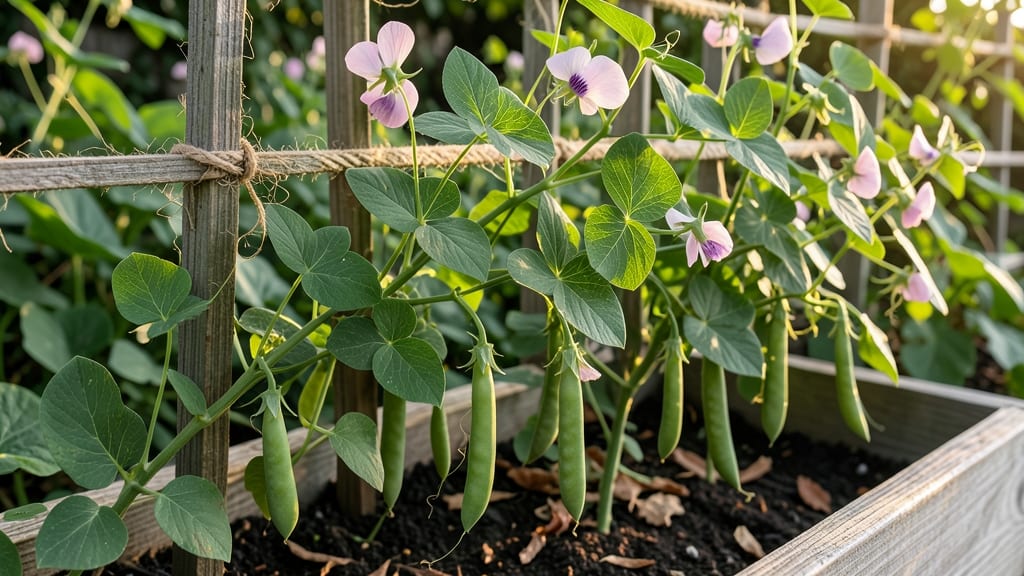
How tall do garden peas grow? The height of these versatile legumes varies dramatically, ranging from 1 foot for dwarf varieties to 6 feet for climbing types, depending on the variety and the support you provide.
If you’re planning a vertical garden or wondering whether your backyard can accommodate towering vines, garden peas might surprise you—some varieties climb like jungle gyms while others stay compact.
Knowing how tall your peas will grow helps you choose the right trellis, save space, and maximize your harvest. Whether you're working with a small balcony or a sprawling backyard, selecting the right variety and support system can make all the difference.
Below, I’ll break down the height differences between dwarf and climbing peas, the best trellis options for each, and how to encourage healthy growth for a bountiful harvest.


Garden pea height by variety: dwarf vs. climbing types explained
Garden peas come in two main height categories: dwarf varieties that stay low to the ground and climbing varieties that reach towering heights. The difference isn't just about aesthetics—it impacts how you plant, trellis, and harvest your peas.
Dwarf peas thrive in small spaces, while climbing varieties need vertical support to reach their full potential. Knowing these distinctions helps you choose the perfect variety for your garden layout.
Most gardeners focus on sugar snap peas, snow peas, and shelling peas when selecting varieties. Each type offers different height ranges, from compact bush varieties under 2 feet to vigorous climbers that can exceed 8 feet.
Understanding these differences ensures you allocate space and support structures efficiently, whether you're working with a tiny balcony garden or a sprawling backyard.
Dwarf varieties like Little Marvel and Tom Thumb are perfect for gardeners with limited space. These compact plants reach only 12-18 inches tall, making them ideal for containers, window boxes, or small garden plots. Their bushy growth habit means they don’t require trellises, saving you time and materials.
If you're growing peas in urban settings or balconies, dwarf varieties are your best bet for a bountiful harvest without the need for vertical space.
On the other hand, climbing varieties like Oregon Sugar Pod and Alderman can grow 6-10 feet tall, transforming your garden into a lush, vertical display. These vigorous vines need sturdy trellises to support their weight and encourage upward growth.
If you have a fence, pergola, or tall cage, climbing peas will thrive and produce higher yields than their dwarf counterparts. The trade-off? You’ll need to invest in strong support structures and allocate more space for proper spacing.
For semi-dwarf varieties like Sugar Sprint, you’ll find a middle ground with heights of 18-24 inches. These plants benefit from light trellis support but don’t require the same height as full climbers.
They’re a great choice for small gardens or balconies where you want a little extra height without committing to a full-scale vertical garden. Semi-dwarfs also produce longer vines than true dwarfs, giving you more flexibility in how you arrange your garden layout.
When planning your garden, consider the mature height of your chosen variety and how it fits into your space. Dwarf peas are perfect for early spring plantings in small areas, while climbing varieties excel in late spring or summer when they have plenty of time to grow.
If you’re growing multiple varieties, space them carefully to avoid overcrowding. For example, dwarf peas should be planted 3-4 inches apart,
Best trellis types for different pea heights: DIY vs. store-bought options
Choosing the right trellis for your garden peas depends entirely on their mature height. Dwarf varieties like Little Marvel (12-18 inches) need minimal support, while climbing types like Telephone (8-10 feet) require sturdy vertical structures.
The wrong trellis can lead to weak vines, poor pod development, or even broken supports during windy conditions.
For small gardens, space-saving trellises like cage-style supports or bamboo teepees work perfectly for dwarf peas. Meanwhile, tall climbing varieties demand freestanding trellises or sturdy fences. Let’s break down your options—from DIY-friendly materials like bamboo to durable store-bought systems designed for heavy vines.
| Trellis Type | Best For | Material | Durability | Cost |
|---|---|---|---|---|
| Bamboo Teepee | Dwarf/semi-dwarf peas (1-3 ft) | Natural bamboo poles | Moderate (degrades in 2-3 years) | $5-$15 |
| Metal A-Frame | Climbing peas (6-10 ft) | Galvanized steel | High (lasts 10+ years) | $20-$50 |
| Plastic Mesh Trellis | All heights (flexible) | Recycled plastic | Moderate (5-7 years) | $10-$30 |
| DIY Wooden Ladder | Heavy climbers (8+ ft) | Pressure-treated wood | High (8+ years with sealant) | $15-$40 |
| Store-Bought Pea Cage | Dwarf/semi-dwarf peas | Plastic-coated wire | Low (2-3 years) | $8-$25 |
If you’re growing dwarf peas, a bamboo teepee or pea cage is ideal—lightweight, affordable, and easy to assemble. For tall varieties, invest in a metal A-frame or wooden ladder trellis to handle the weight.
My favorite DIY hack is repurposing old ladder frames by securing them vertically with stakes.
For urban gardeners with limited space, wall-mounted trellises or vertical garden panels maximize upward growth while keeping your footprint small. Just ensure the trellis is at least 6 feet tall for climbing peas—any shorter, and vines will sprawl instead of climb, leading to tangled messes.
Durability matters too. Metal trellises resist rot and pests but cost more upfront. Plastic mesh is lightweight and reusable, while bamboo adds a rustic charm but may need replacing every few seasons. Always secure your trellis with stakes or guy wires to prevent toppling in wind or rain.
Pro tip: Twine or soft ties work better than wire for attaching vines—they won’t damage stems as peas grow. Start training vines early (when they’re 3-4 inches tall) to encourage upward growth and prevent sprawling.
With the right trellis, your garden peas will thrive vertically, saving space and boosting your harvest!