
How To
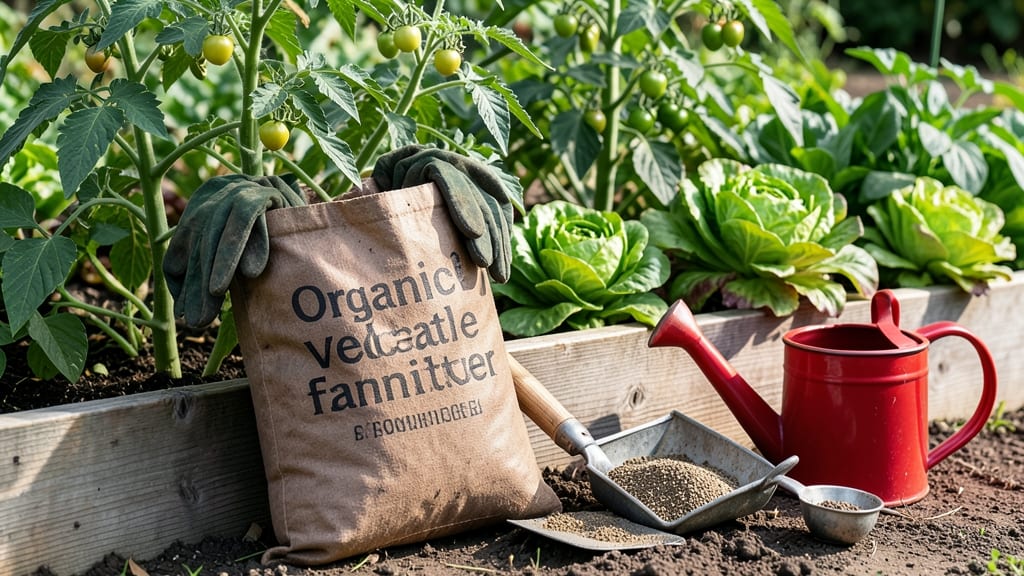
To fertilize your vegetable garden properly, follow a schedule that matches your soil’s needs and the plants’ growth stages — too much or too little can ruin your harvest.
Wondering why your 🥬 garden isn’t producing as much as it should? The answer might be in your fertilization schedule — overdoing it can burn roots, while underdoing it starves your plants of essential nutrients.
Most vegetable gardens thrive with feedings every 4-6 weeks during the growing season, but the exact timing depends on your soil type, plant type, and even the weather.
Below, I break down how to adjust your fertilization plan based on soil tests, plant needs, and seasonal shifts — so you can avoid common mistakes and get the biggest, healthiest yield.

Soil-test-based fertilization frequency for vegetable gardens
Determining how often to fertilize your vegetable garden isn't about guesswork—it's about reading your soil test results. A soil test reveals nutrient deficiencies or excesses, helping you tailor your fertilization schedule to your garden's specific needs.
For example, my tomato plants thrive with phosphorus-rich fertilizer every 3 weeks, while leafy greens like spinach prefer a lighter, nitrogen-focused approach every 4 weeks.
Seasonal adjustments are equally critical. Spring fertilization kickstarts growth, summer feeding maintains production, and fall applications prepare plants for winter. My soil test showed my garden needed potassium in late summer to strengthen roots before the first frost.
Ignoring these cues can lead to stunted growth or nutrient burn, which is why I always test my soil twice a year.
Here’s how to translate your soil test into a fertilization schedule that maximizes yield without overdoing it:
| Plant Type | Soil Test Result | Fertilizer Type | Frequency | Seasonal Notes |
|---|---|---|---|---|
| Leafy Greens (spinach, lettuce) | Low nitrogen (N < 20 ppm) | Balanced (10-10-10) or compost tea | Every 4 weeks in spring/fall | Avoid summer—heat causes bolting |
| Fruiting Plants (tomatoes, peppers) | Low phosphorus (P < 30 ppm) | High-phosphorus (5-10-10) or bone meal | Every 3 weeks in summer | Reduce in fall to harden off plants |
| Root Crops (carrots, beets) | Balanced nutrients (N/P/K: 20/20/20) | Low-nitrogen (5-5-5) or worm castings | Every 6 weeks in spring | Stop fertilizing 4 weeks before harvest |
| Alliums (onions, garlic) | Low potassium (K < 150 ppm) | Potassium-rich (0-0-50) or wood ash | Every 5 weeks in early spring | Excess N causes floppy growth |
| Heavy Feeders (corn, squash) | Moderate nitrogen (N: 30-50 ppm) | High-nitrogen (12-12-12) or manure | Every 3 weeks in summer | Side-dress with compost mid-season |
Leafy greens like kale and arugula are light feeders compared to tomatoes or peppers, which demand more frequent fertilization. My soil test revealed my garden’s pH was slightly acidic (6.2), so I adjusted by adding lime in early spring before planting.
For fruiting plants, I focus on phosphorus to encourage blooming, while root vegetables need minimal fertilization to prevent forked growth.
Timing matters just as much as fertilizer type. I always apply granular fertilizer in the morning, watering it in immediately to prevent root burn.
For organic fertilizers like compost or manure, I mix them into the soil 2-3 weeks before planting to let beneficial microbes break them down. Slow-release fertilizers are ideal for container gardens, where nutrients leach out quickly.
Watch for visual cues like yellowing leaves (nitrogen deficiency) or purple stems (phosphorus deficiency). My peppers developed purple stems last summer, so I switched to a 5-10-10 fertilizer and saw new growth within 2 weeks.
Over-fertilizing can cause leaf curl or blossom end rot in tomatoes, so I always err on the side of caution with half-strength applications if I’m unsure.
Seasonal shifts require adjustments. In spring, I prioritize nitrogen to build foliage, while in summer, I switch to a balanced fertilizer (10-10-10) to support flowering and fruiting. By late summer, I reduce fertilization to harden off plants before winter.
My soil test also showed my garden retained moisture well, so I paired fertilization with mulching to lock in nutrients and reduce watering needs.
For container gardens, I fertilize twice as often because nutrients wash out faster. My herb pots get a liquid fertilizer every 2 weeks, while in-ground beds follow the soil-test-based schedule. I also rotate crops yearly to prevent nutrient depletion in specific areas.
For example, after planting heavy feeders like corn, I follow them with light feeders like beans to restore soil balance.
Remember, soil health is a long-term investment. I’ve seen my garden’s yield double in 3 years by sticking to a soil-test-based plan and avoiding synthetic shortcuts. Start with a simple soil test kit, adjust your schedule, and watch your vegetables thrive—without the guesswork.
Monthly fertilization schedule by plant type (fast-growing vs. slow-growing)
Not all vegetables grow at the same pace, and their fertilization needs vary dramatically. Fast-growing crops like leafy greens or radishes thrive with frequent, light feedings, while slow-growing plants like tomatoes or carrots need steady, balanced nutrition.
Understanding these differences ensures you’re not over- or under-feeding your garden—both can lead to poor yields or plant stress.
For fast-growing vegetables, I recommend a biweekly schedule with organic options like compost tea or fish emulsion. These plants, such as bok choy or lettuce, grow quickly and need nutrients to keep up with their growth rate.
In contrast, slow-growing vegetables like squash or onions benefit from monthly applications of a balanced fertilizer to support long-term development.
🌱 Fertilization Schedule by Plant Type
- 1 Fast-Growers (e.g., lettuce, radishes, spinach): Fertilize every 2 weeks with organic options like compost tea or diluted fish emulsion.
- 2 Moderate-Growers (e.g., beans, peas, zucchini): Feed every 4 weeks with a balanced 10-10-10 fertilizer or worm castings.
- 3 Slow-Growers (e.g., tomatoes, carrots, potatoes): Apply fertilizer monthly starting at planting, using slow-release granules or aged compost.
- 4 Fruiting Plants (e.g., peppers, eggplants): Use a high-phosphorus fertilizer (e.g., 5-10-10) every 6 weeks to boost flowering and fruit set.
💡 Pro Tip: Always water fertilizer into the soil to prevent root burn.
When choosing between organic and synthetic fertilizers, consider your garden’s needs. Organic options like compost or manure improve soil structure over time, while synthetic fertilizers provide immediate nutrients.
For example, I use fish emulsion for fast-growers because it’s rich in nitrogen, but switch to bone meal for root crops like carrots to encourage deep growth.
Adjust your schedule based on seasonal growth phases. In spring, focus on nitrogen-rich fertilizers to kickstart growth, while summer calls for phosphorus-heavy feeds to support flowering and fruiting. Always pause fertilization in late summer to allow plants to harden off before winter.
Signs of over-fertilization include yellowing leaves, stunted growth, or white crusts on soil. If you notice these, flush the soil with water and reduce future applications. For under-fertilized plants, look for pale leaves or slow growth—these are clear signals to increase your feeding frequency.
By tailoring your fertilization schedule to your plants’ growth rates and needs, you’ll maximize yields while keeping your garden healthy and thriving. Start with a soil test to identify deficiencies, then adjust as you observe your plants’ responses throughout the season. 🌿