
Light Requirements
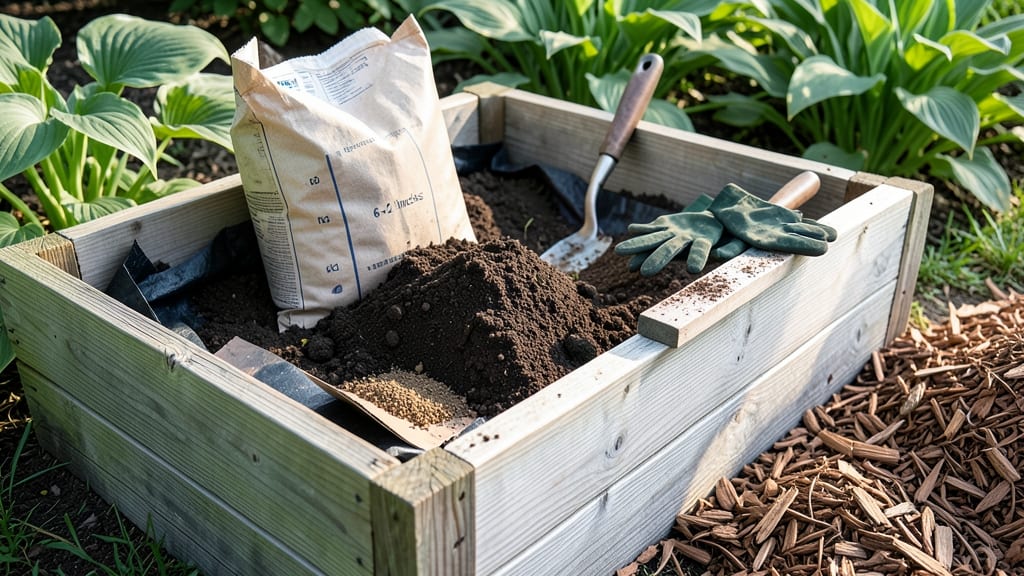
Filling your raised garden bed with the right amount of soil determines whether your plants grow strong roots or struggle to survive 🌱.
Picture this: you’ve spent hours building the perfect raised bed, only to realize you’ve either wasted soil or left too little room for your plants to thrive. The key isn’t just guessing—it’s calculating the exact depth and volume needed for drainage, root space, and long-term health.
In this guide, I’ll break down the ideal soil depth for different crops, how to measure your bed’s volume, and the common mistakes that lead to wasted soil or poor plant growth. No more overfilling or underplanting—just a foolproof system for a thriving garden.
You’ll learn how to account for drainage layers, adjust for plant types, and even use a simple formula to avoid buying too much (or too little) soil. Let’s get your raised bed set up for success!
Raised garden bed soil depth guide: ideal depths for different plants & root systems
Getting the soil depth right in your raised garden bed is one of the most critical steps for success. Unlike in-ground planting, raised beds give you complete control over soil quality and depth, but too little or too much can stunt growth or waste resources.
The key is matching root depth requirements with your bed's dimensions while ensuring proper drainage and aeration.
Most plants thrive when their roots have enough space to spread without hitting the bottom of the bed. A 6- to 12-inch soil depth works for most vegetables and herbs, while deeper-rooted plants like tomatoes or asparagus need 18+ inches.
Flowers and shallow-rooted herbs often do well with just 6-8 inches. The goal is to avoid compacting the soil or creating air pockets that restrict root growth.
Before filling your bed, account for a 2- to 4-inch drainage layer at the bottom (using gravel or landscape fabric). This prevents waterlogging while keeping roots insulated from extreme temperatures. Skipping this layer can lead to root rot or poor nutrient absorption, even with the perfect soil depth.
For shallow-rooted plants like lettuce or radishes, a 6-inch soil depth is often sufficient. These plants focus their energy above ground, so deeper soil can lead to wasted nutrients and moisture. In contrast, deep-rooted vegetables like carrots or potatoes need at least 12 inches to prevent forking or stunted growth.
When filling your bed, use a mix of 60% topsoil, 30% compost, and 10% perlite or sand for optimal drainage. This blend ensures roots have both nutrients and aeration.
Avoid using pure garden soil, as it can compact over time and reduce root space. Test your soil’s pH and nutrient levels before planting to avoid deficiencies.
One common mistake is over-filling raised beds, which wastes soil and can lead to poor drainage. A 12-inch soil depth is ideal for most beds, but if you’re growing deep-rooted plants, consider a taller bed (18+ inches).
Always leave 2-3 inches from the top to prevent spillage during watering and to allow for mulching.
If you’re unsure about your bed’s depth, dig a hole and measure how far down the roots of mature plants grow in your area. This gives you a real-world benchmark for your specific climate.
For example, tomatoes in warm climates may need 24 inches of soil, while bush beans can thrive in just 10 inches. Adjust your soil depth based on these observations.
Remember, the soil mix matters just as much as depth. A well-aerated, nutrient-rich blend promotes faster root growth, which means your plants will establish themselves quicker.
Add a 1-inch layer of compost every season to replenish nutrients without adding excessive bulk. This keeps your soil depth manageable while supporting long-term plant health.
Finally, consider layering your soil for different crops. For instance, use the deepest section of your bed for tomatoes and shallower areas for
How to calculate soil volume for your raised bed: step-by-step formula
Calculating the exact amount of soil needed for your raised bed prevents waste and ensures your plants have the perfect growing environment. Too little soil limits root growth, while too much costs extra money and can lead to poor drainage.
The key is measuring your bed’s dimensions and accounting for drainage layers like gravel or landscape fabric.
Start by measuring your raised bed’s length, width, and height in feet. Most vegetable gardens need 6-12 inches of soil depth, but herbs and shallow-rooted plants thrive in just 4-6 inches.
If your bed already has a drainage layer (like 2-4 inches of gravel), subtract that from your total height before calculating soil volume.
For a 4’ x 8’ x 12” bed, you’ll need about 58 bags of soil (assuming a 2” drainage layer). Pro tip: Use a soil calculator online to double-check your numbers, especially for irregularly shaped beds or multi-tiered designs.
Once you’ve calculated, consider the soil mix ratio. A blend of 60% topsoil, 30% compost, and 10% perlite improves drainage and fertility. Spread the soil evenly, leaving 1-2 inches below the rim to prevent spillage during watering.
Test your soil’s moisture retention after filling by digging a hole and checking if water drains within 30 minutes. If it pools, add more organic matter like peat moss. With the right volume and mix, your raised bed will support healthy root systems and bountiful harvests all season.