
How To
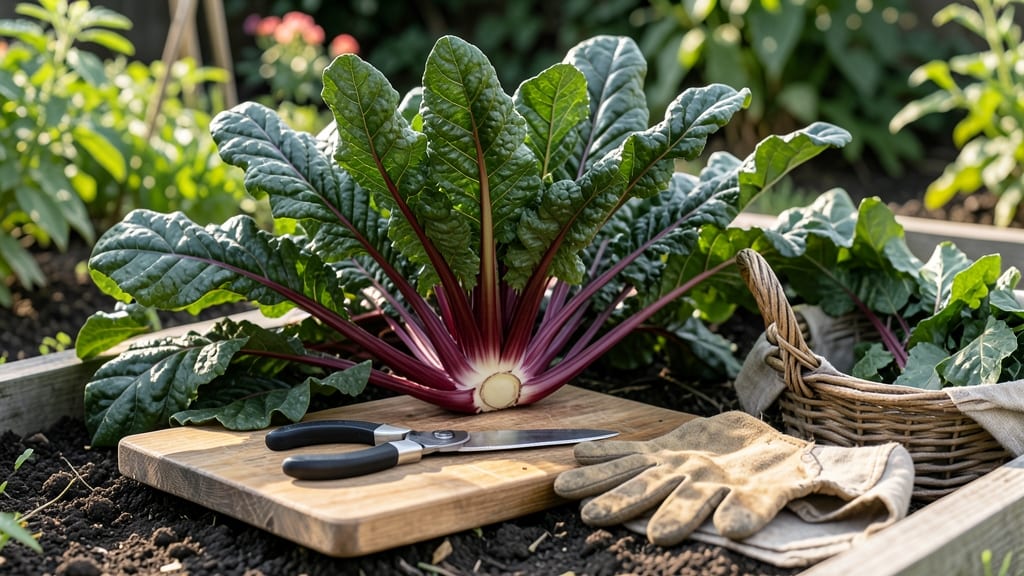
Harvesting Swiss chard 🍃 the right way ensures it keeps growing—so you can enjoy fresh greens all season without stunting the plant.
Picture this: you’ve nurtured your Swiss chard for weeks, and now the outer leaves are big enough to use—but if you cut too much or too close to the base, you’ll slow down (or even stop) future growth.
The secret lies in the cut-and-come-again method, a simple technique that keeps your chard thriving while you enjoy a steady harvest.
This approach isn’t just about timing; it’s about precision. You’ll learn which leaves to pick first, how to angle your cuts for maximum regrowth, and how often to harvest without stressing the plant.
Skip these steps, and you might end up with a sad, woody stalk instead of a lush, productive plant.
By the end, you’ll know exactly how to harvest Swiss chard so it keeps growing—plus, I’ll share pro tips to avoid common mistakes and extend your harvest well into fall. Ready to master this garden superstar?


The cut-and-come-again method: step-by-step harvesting for continuous Swiss chard growth
Swiss chard thrives on the cut-and-come-again method, where you strategically harvest leaves to encourage continuous regrowth for months. This technique works best when your plants are mature (50-70 days after sowing) and have developed 6-8 inch leaves.
The key? Knowing where, when, and how to cut without damaging the plant's ability to produce new growth.
Before harvesting, wait until your chard has at least 6-8 inches of leaf growth and the stems feel firm and crisp. Avoid harvesting when plants are stressed from drought or extreme heat, as this can stunt regrowth.
The best time to harvest is in the morning after dew has dried, when leaves are crisp and hydrated.
How to Harvest Swiss Chard for Regrowth
-
Step 1: Choose the Right Leaves
Select outer leaves first—these are mature and won’t hinder new growth. Avoid cutting leaves closer than 1 inch to the center.
-
Step 2: Use the Right Tools
Grab a sharp pair of pruning shears or a clean knife. Dull tools can crush stems and invite disease.
-
Step 3: Cut at the Correct Angle
Make a 45-degree angle cut just above a leaf base or side stem. This promotes faster regrowth and prevents water from pooling.
-
Step 4: Leave the Center Intact
Never remove more than 1/3 of the plant at once. The inner leaves (still curled) will unfurl into new harvests.
-
Step 5: Harvest Frequency
Repeat every 2-3 weeks during peak growth (spring-fall). In hot summers, space harvests 3-4 weeks apart to avoid stress.
-
Step 6: Post-Harvest Care
Water deeply immediately after harvesting and add a light fertilizer (5-10-10) to support recovery. Mulch to retain moisture.
When harvesting, always prioritize the largest, most mature leaves first. These leaves have already completed their growth cycle and won’t be missed by the plant. For example, if your chard has bright red stems, focus on harvesting the outer red leaves while leaving the green center leaves to regrow.
One common mistake is cutting too close to the base, which can expose the stem to rot or damage the plant’s growth point. Always leave at least 1 inch of stem attached to the main plant.
This ensures the chard can regenerate new leaves from the remaining leaf bases.
For continuous harvests, aim to harvest every 2-3 weeks during the growing season. In cooler months, you can extend this to 3-4 weeks as growth slows. Keep an eye on the center of the plant—if you see new leaves unfurling, it’s time to harvest again!
After harvesting, inspect your chard for pests or disease signs like holes or yellowing. If you spot aphids or flea beetles, treat immediately with neem oil or insecticidal soap to protect future growth. Healthy plants regrow 30-50% faster when free of pests.
Pro tip: Use a sharp knife or pruners to make clean cuts. Avoid tearing leaves, as jagged edges invite bacterial infections and slow regrowth. If you’re harvesting for baby leaves, you can snip smaller leaves without cutting stems, but this method works best for larger, mature leaves.
With the cut-and-come-again method, you’ll enjoy a steady harvest for 6-8 months per planting. Just remember: less is more—harvest gently, and your chard will reward you with abundant, flavorful greens all season long.
Critical mistakes to avoid when harvesting chard for regrowth
Harvesting Swiss chard improperly can turn your cut-and-come-again garden into a one-time harvest. I’ve seen even experienced gardeners accidentally stunt regrowth by making simple mistakes. The key is understanding what your plant needs to bounce back stronger than before.
One of the biggest errors is over-harvesting—taking too many leaves at once. Chard plants can’t recover if you strip them down to the core. Think of it like a haircut: you wouldn’t shave your head bald and expect regrowth overnight! The same rule applies here.
Another common blunder is cutting too close to the base. When you sever the stem just above the soil line, you remove the plant’s energy source. Always leave at least 1-2 inches of stem attached to the main plant. This ensures the roots can keep feeding new growth.
⚠️ Warning: These Harvesting Mistakes Kill Regrowth
- Severing stems too close to the base removes the plant’s energy supply.
- Harvesting more than 1/3 of the plant at once stunts future growth.
- Ignoring yellowing leaves signals nutrient deficiencies or disease.
- Using dull tools crushes stems, inviting pests and rot.
🌱 Fix it: Use sharp scissors, leave stems intact, and harvest outer leaves first.
Don’t forget to watch for stress signals like wilting or yellowing leaves. These aren’t just signs of poor health—they’re your plant’s way of saying, “I need help!” If you ignore them, your chard might never recover. Instead, adjust your watering or fertilization routine immediately.
Timing also matters. Harvesting in hot afternoon sun stresses the plant. Always pick leaves in the morning when they’re hydrated and resilient. This small habit makes a big difference in how quickly your chard bounces back.
Finally, dull harvesting tools are a silent killer of regrowth. Crushed stems invite pests and diseases, which can derail your entire plant. Invest in a pair of sharp pruning shears or a clean knife—your future harvests will thank you!
By avoiding these mistakes, you’ll enjoy continuous harvests all season long. Your chard will reward you with lush, tender leaves time and time again—just as nature intended. 🥬